
Canals and Rivers Home
Canals were the motorways of the 19th century. As industry developed means were needed to transport goods round the country and this is where the canal boom began with these man-made waterways linking the major centres in the country.
The heyday of canals did not last that long as the development of the railways and then the internal combustion engine led to goods being moved by road and rail and the canals fell into disrepair.
The decline looked to be terminal, but nostalgia and enthusiasts meant many canals remained and even those which fell into decline were lovingly restored.
Now there are around 2,200 miles of navigable canals in the UK. Birmingham, alone, has 36 miles of canals - even more than Venice which only boasts 25 miles. Canals are still used to transport goods; they are the home of relaxing canal boat holidays and even if you want to remain off the water then the towpaths are ideal for walking and cycling.
The heyday of canals did not last that long as the development of the railways and then the internal combustion engine led to goods being moved by road and rail and the canals fell into disrepair.
The decline looked to be terminal, but nostalgia and enthusiasts meant many canals remained and even those which fell into decline were lovingly restored.
Now there are around 2,200 miles of navigable canals in the UK. Birmingham, alone, has 36 miles of canals - even more than Venice which only boasts 25 miles. Canals are still used to transport goods; they are the home of relaxing canal boat holidays and even if you want to remain off the water then the towpaths are ideal for walking and cycling.
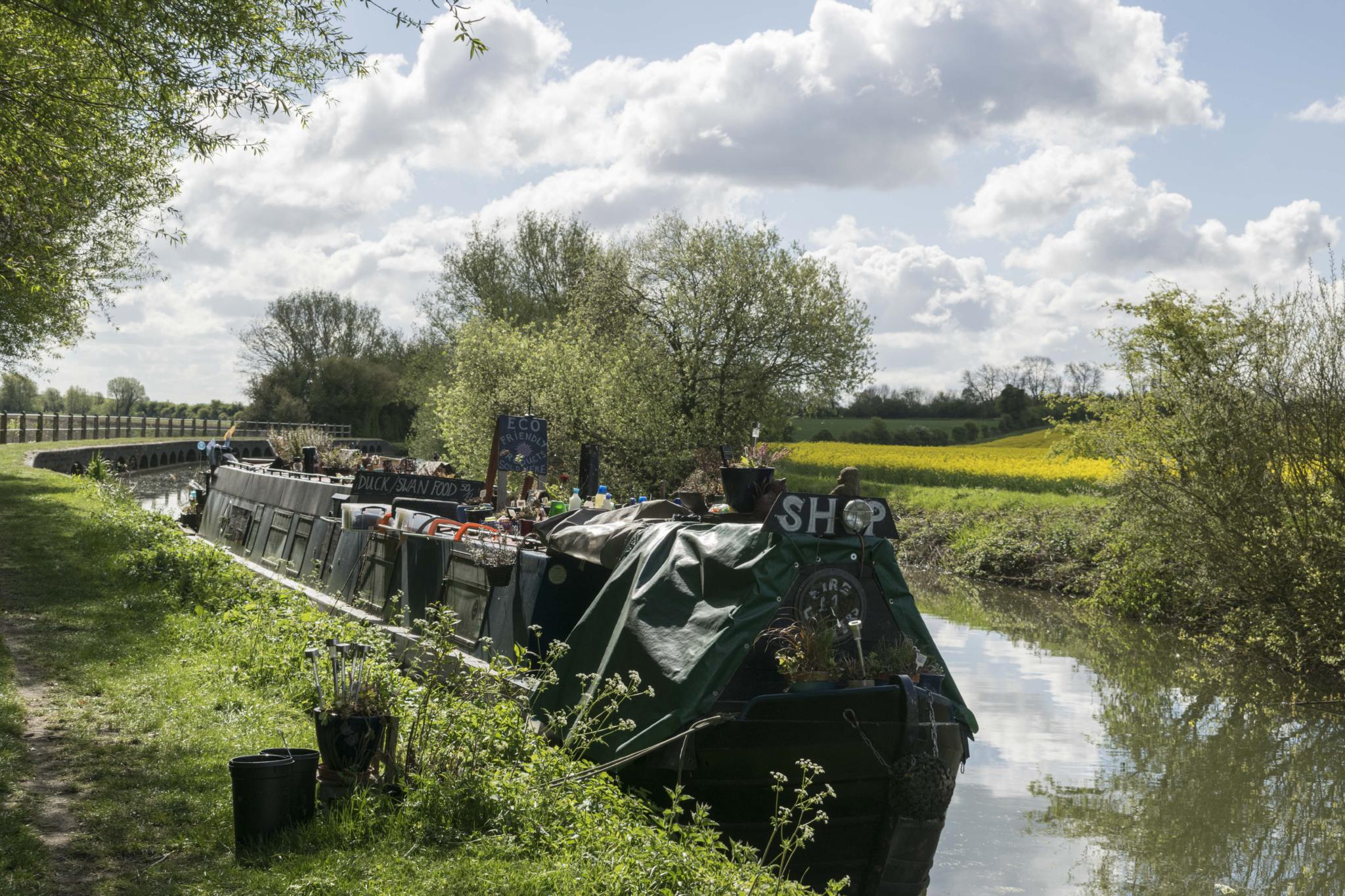
Grand Union Canal
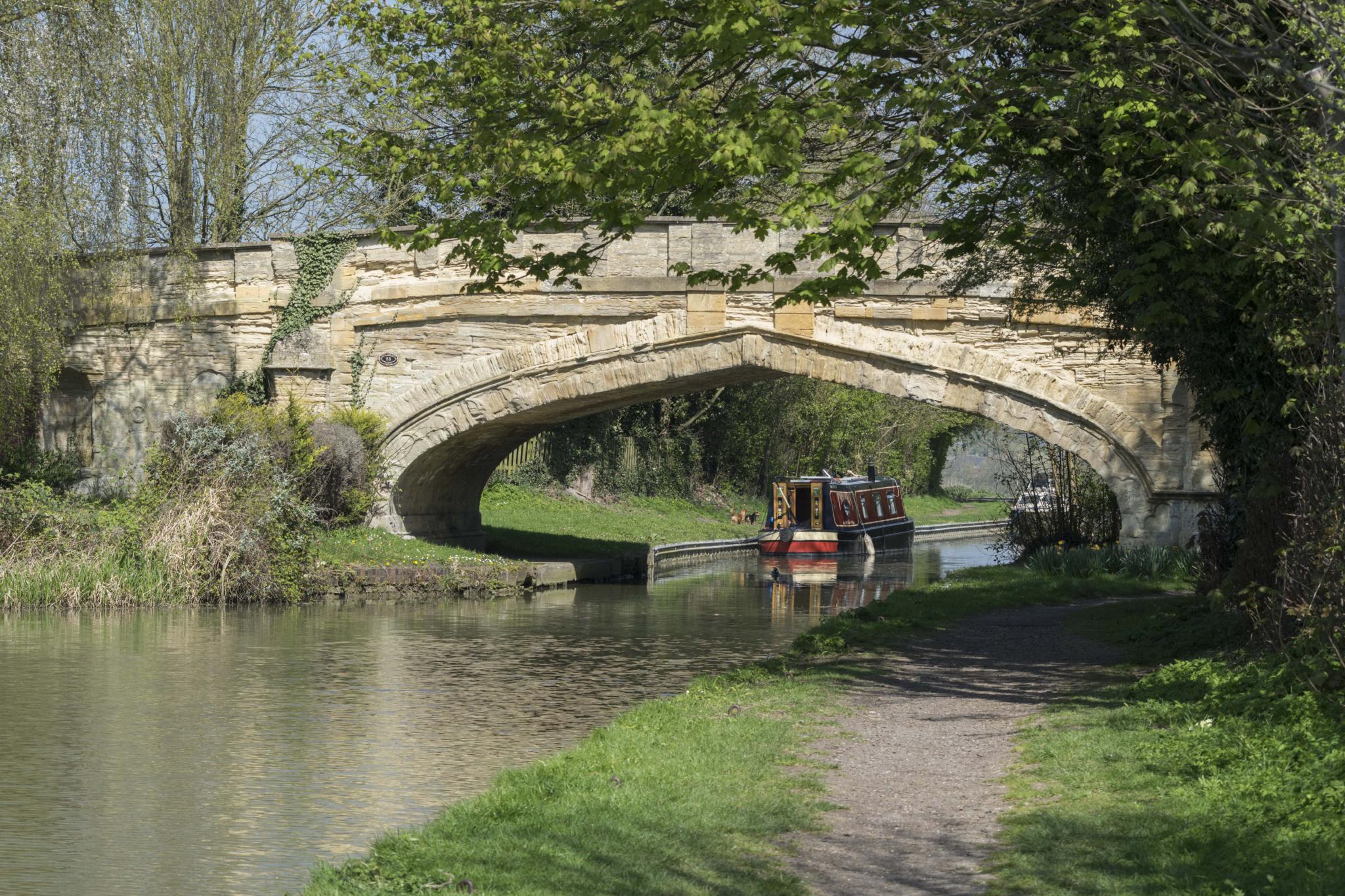
The M1 of the canal system, the 140 mile long Grand Union Canal links Birmingham and London.
Used to transport goods between London and The Midlands, the canal provided a vital link. Still fully navigable for its entire length this walk covers the entire length of the canal.
Click Here
Kennet & Avon Canal
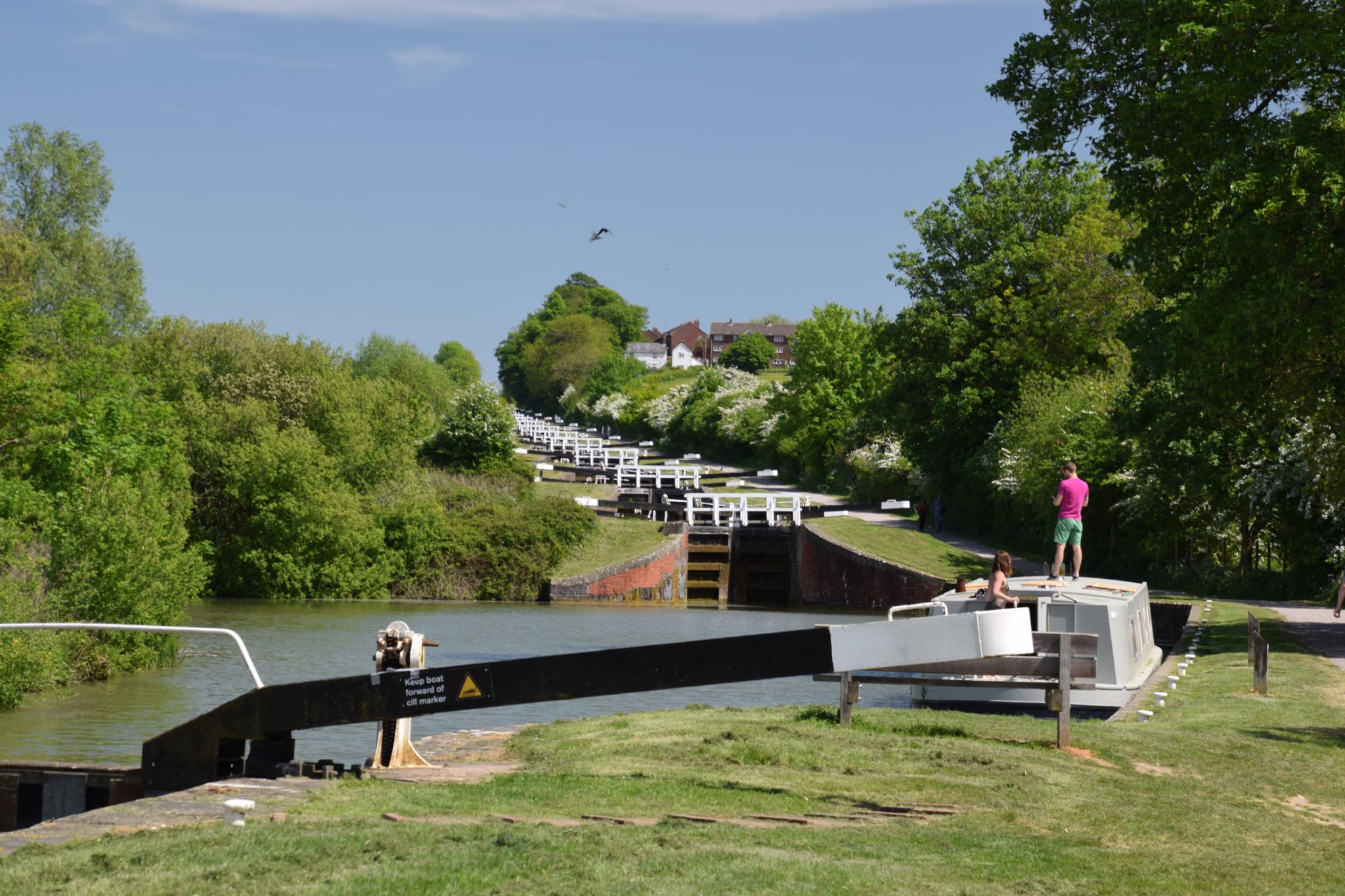
Stretching from Reading to Bristol, the Kennet and Avon canal links the River Thames with the port of Bristol.
After falling into disrepair the canal was painstakingly restored and fully reopened in 1990 and it's now a popular destination for leisure cruisers, cyclists and walkers.
Click here
River Thames
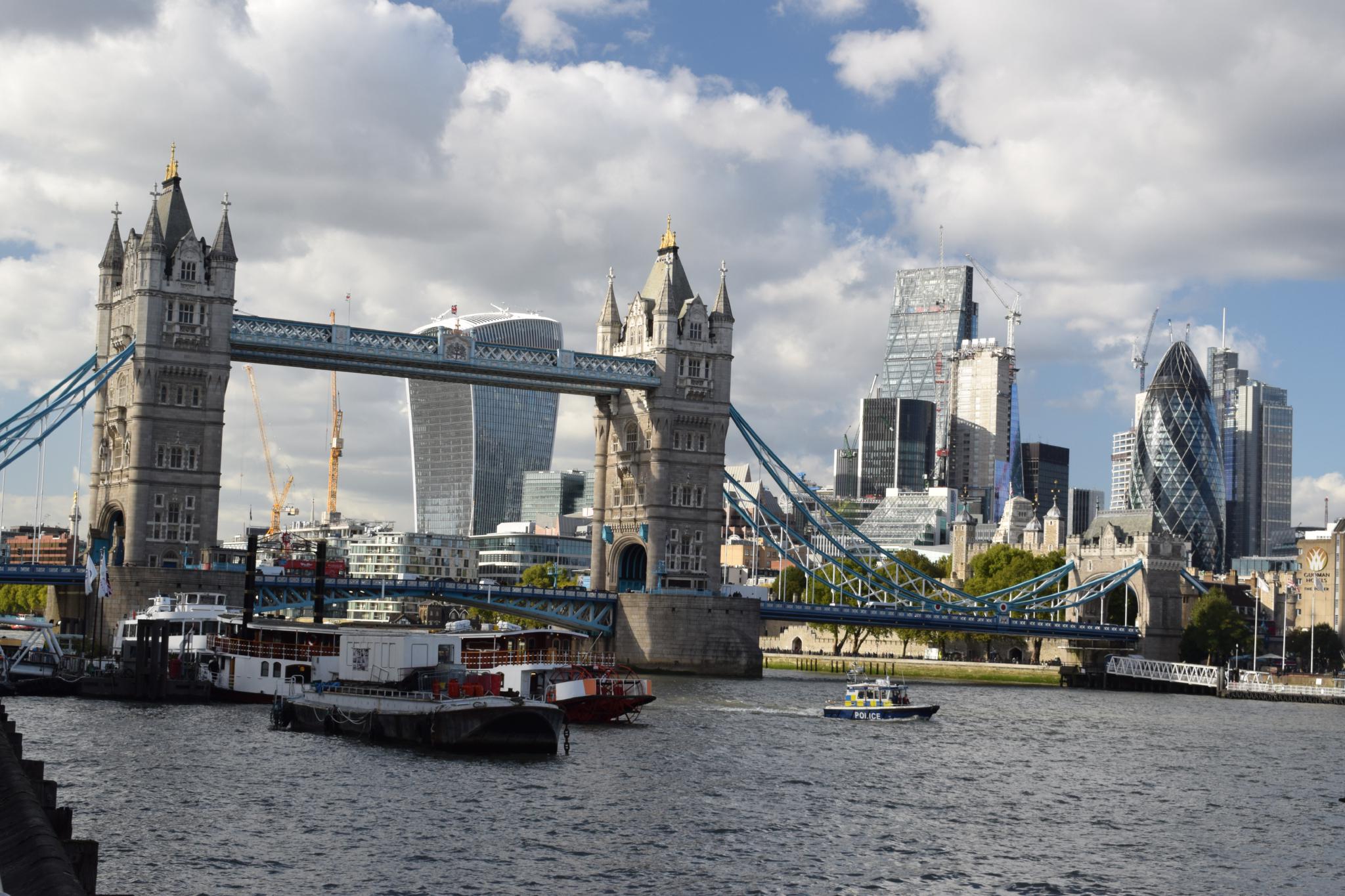
The River Thames is the longest river wholly in England, rising in the Cotswolds and meandering its was through places like Oxford, Reading and Windsor before reaching London and emptying into the North Sea.
The Thames Path stretches from the source to the Thames Barrier.
Click here