
USA - Death Valley
Prices quoted correct as at June 2026
One of the most appropriately named locations anywhere, Death Valley is an expansive desert region, often recording some of the highest temperatures on the planet. It’s the lowest, hottest and driest of the US National Parks.
Being a National Park you have to pay to visit or pass through, the cost is $30.00 (£22.45) per car, fortunately the $100 (£74.83) overseas visitor fee does not apply here.
However, whether driving through or staying, you must prepare yourself for the visit.
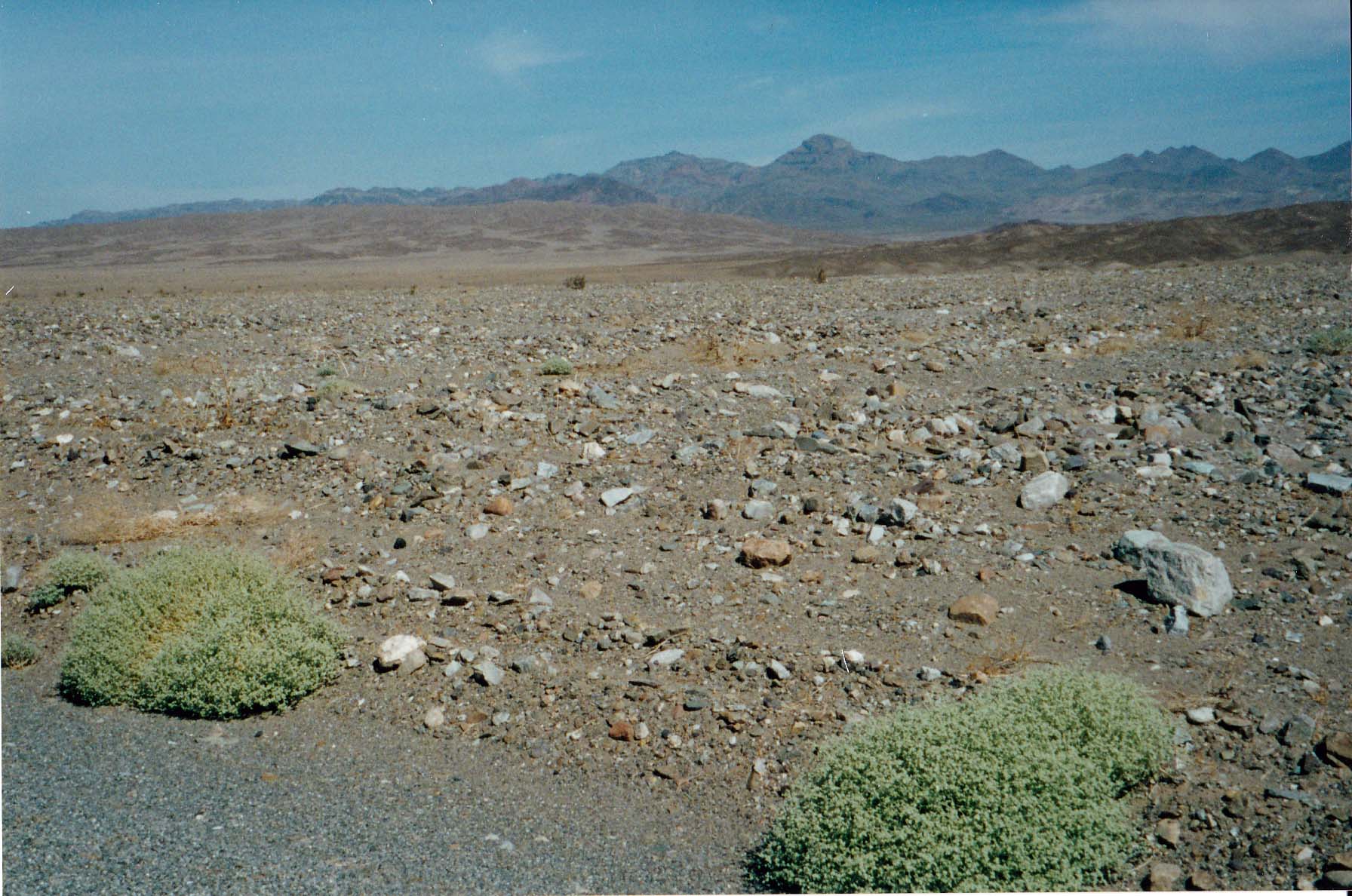 Having a vehicle with working air conditioning is essential. However, the air con may also fool you as you can forget how hot it is outside. I remember stopping once, and opening the car door was like opening an oven door, the heat literally hits you in the face.
Make sure you carry plenty of water with you and make sure you carry the water in the air conditioned car cabin. Don’t make the mistake I made the first time and store your bottled water in the boot of the car – trust me it’s undrinkable.
There is also near zero humidity, so you will not be aware how much you are sweating and it’s easy to dehydrate. I recall one stop where I poured a bottle of water over myself to cool down and the whole bottle of water evaporated within 20 seconds.
Death Valley is famous as the hottest place on earth and driest place in North America. The world record highest air temperature of 134°F (57°C) was recorded at Furnace Creek on July 10, 1913.
Summer temperatures often top 120°F (49°C) in the shade with overnight lows dipping into the 90s°F (mid-30s°C.) Average rainfall is less than 2 inches (5 cm), a fraction of what most deserts receive. Occasional thunderstorms, especially in late summer, can cause flash floods.
In contrast to the extremes of summertime, winter and spring are very pleasant. Winter daytime temperatures are mild in the low elevations, with cool nights that only occasionally reach freezing.
Sunny skies are the norm in Death Valley, but winter storms and summer monsoons can bring cloud cover and rain. Wind is common in the desert, especially in the spring. Dust storms can suddenly blow up with approaching cold fronts.
There are limited places to stay in the park, with three resorts. There is a luxury spa resort at The Inn, Death Valley.
Stovepipe Wells Village has a range of motels, restaurants and a general store.
My personal favourite The Ranch at Furnace Creek, moderately priced with a golf course with odd tee times. Tee times being around sunrise and sunset, with no play during the day.
The golf course sprinklers come on early and late in the day and coyotes appear and take advantage of the free shower.
There are a couple of RV and camping sites, one operated by the National Park, which is bookable in advance. Indeed due to limited availability in the park, advance booking for any accommodation is almost essential. There is a privately run campsite which cannot be booked but operates on a first come, first served basis,
There are too many amazing sites in the park to mention here, the best option is to visit the parks Things To Do web page.
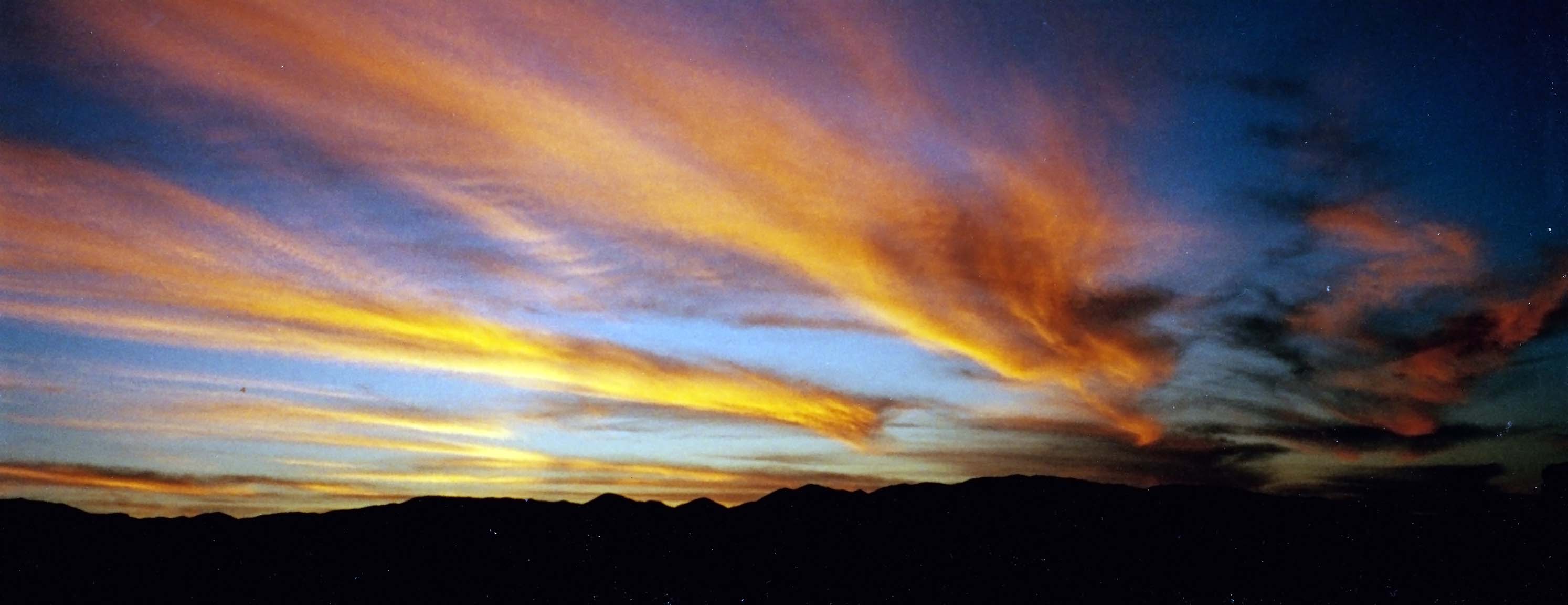 One thing I will mention is the park at night. The most amazing sunsets I have ever seen were here in Death Valley, the colours so vibrant photographs just do not do it justice.
Once the sun sets Death Valley is stunning. Nights in Death Valley are so dark that the park is classified at the highest (Gold Tier) level by the International Dark Sky Association.
Death Valley National Park holds an annual event each spring, where visitors are invited to come and learn about space. The event lasts multiple days and includes special ranger programs, guest speakers from organizations such as NASA, and hands-on activities.
Ranger Tours are available for those wary of venturing out at night on their own or who are unfamiliar with night skies.
Return to California Home Page