
Portugal - Lisbon
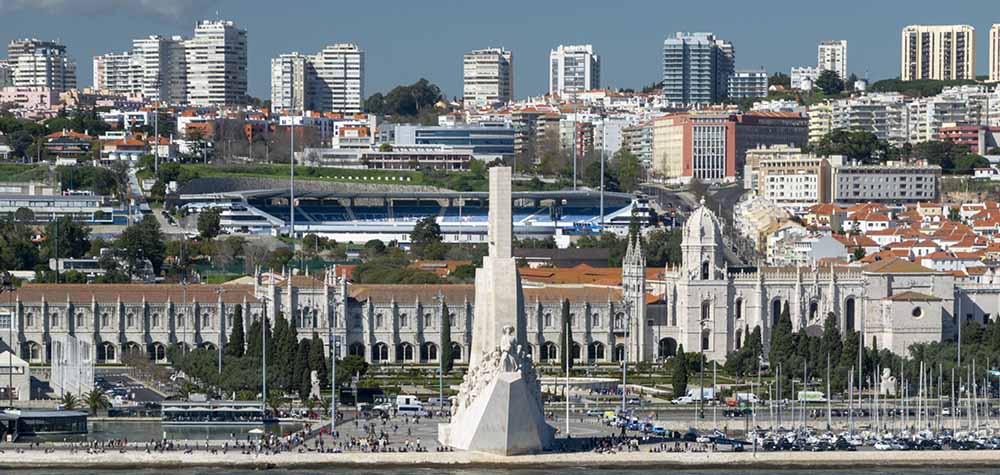
Lisbon is one of those cities that manages to be both thoroughly European and completely different from anywhere else.
Built over seven hills, it is a city of steep streets, grand squares, tiled buildings, faded facades and viewpoints that suddenly open up to reveal the River Tagus.
The Baixa is the obvious place to start, with its wide streets and magnificent Praça do Comércio opening onto the river. From here you can wander into the older districts, although be warned: Lisbon's hills aren't kidding. What looks like a pleasant little stroll on the map can turn into an unexpected cardiovascular workout.
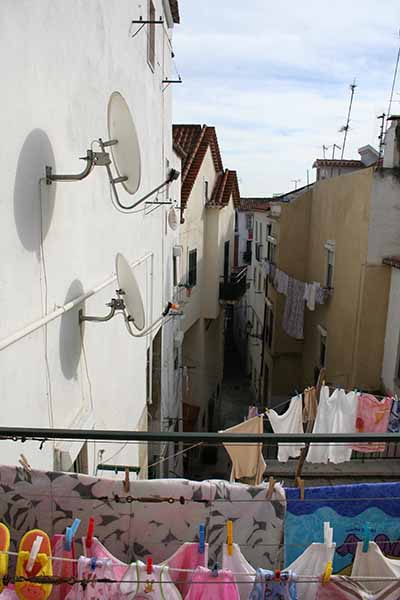 The Alfama is probably the most atmospheric part of the city, with narrow alleyways, washing hanging from balconies and buildings seemingly stacked on top of one another. It survived the devastating 1755 earthquake and retains much of the old Lisbon character. Get lost here — deliberately or otherwise — and you'll find some of the city's best little corners.
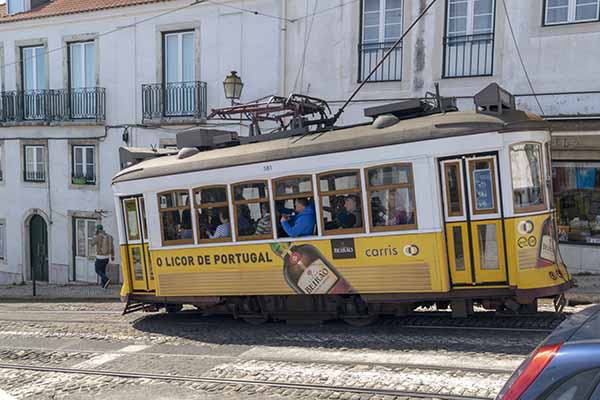
And then there are the trams. Lisbon's old yellow trams have become almost as famous as the city itself, rattling and squeaking their way through streets that sometimes look barely wide enough for a pedestrian.
Tram 28 is the classic, winding through Alfama and some of the oldest parts of the city. Yes, it can be packed with tourists and yes, pickpockets know exactly where the tourists are, but it remains one of those experiences you really should have.
Lisbon has also embraced the modern age, with newer trams operating on parts of the network. They may be cleaner, quieter and considerably more practical, but they haven't quite got the personality of those ancient yellow veterans. Give me a rattling old tram climbing a ridiculously steep hill any day.
 Then head towards Belém, where Lisbon's maritime history comes to life. The magnificent Jerónimos Monastery and the Torre de Belém are reminders of the extraordinary period when Portugal was sending explorers across the world. And naturally, no visit to Belém is complete without a pastel de nata. You can pretend you're going for the history, but we all know why you're really there.
The Castelo de São Jorge provides some of the best views across the city, while the various miradouros scattered around Lisbon are perfect excuses to stop climbing and admire what you've just climbed through.
But Lisbon has another attraction which is rather more difficult to describe.
Fado
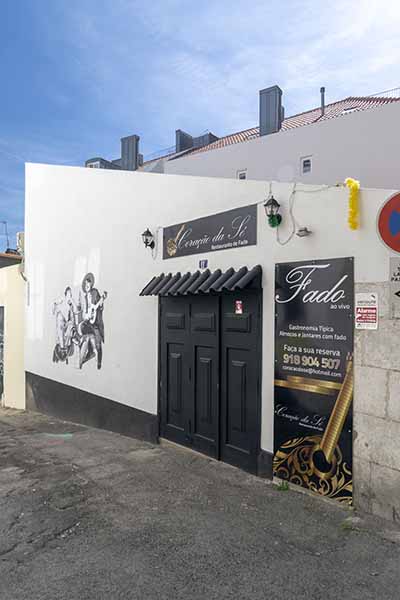 Fado deserves a special mention because it is the soul of Lisbon.
This isn't simply background music while you eat dinner. Traditional Fado is emotional, mournful and deeply atmospheric, with the Portuguese guitar providing the distinctive sound. The songs often revolve around love, loss, longing and saudade — that wonderfully Portuguese word which doesn't have a perfect English translation but encompasses a profound sense of longing or melancholy.
The best way to experience it is in a small traditional Fado house, particularly around Alfama or Mouraria. Sit quietly, have a drink, and listen. The performer doesn't need pyrotechnics or a backing orchestra; just a voice, a couple of guitars and a song that sounds as though someone has just had their heart broken.
And that's what makes Fado so special. You don't necessarily have to understand every word to understand the emotion.
Lisbon isn't perfect. Some areas are looking decidedly tired, tourist numbers can be overwhelming and those hills will eventually make you question why you didn't book a holiday somewhere flat.
But that's Lisbon. It has survived earthquakes, revolutions, dictatorships and centuries of change, and somehow retained its personality.
Ride an old tram, get lost in Alfama, eat a pastel de nata, watch the sun go down over the Tagus and spend an evening listening to Fado. That's Lisbon.
Return to Europe Home Page