
Paris
Prices quoted correct as of June 2026
Getting There
Paris has two man airports Charles de Gaulle and Orly. both have direct rail links into the city centre. Charled de Gaulle is the main airport and the RER train will take you to Gare du Nord, which is where the Eurostar trains from London arrive.
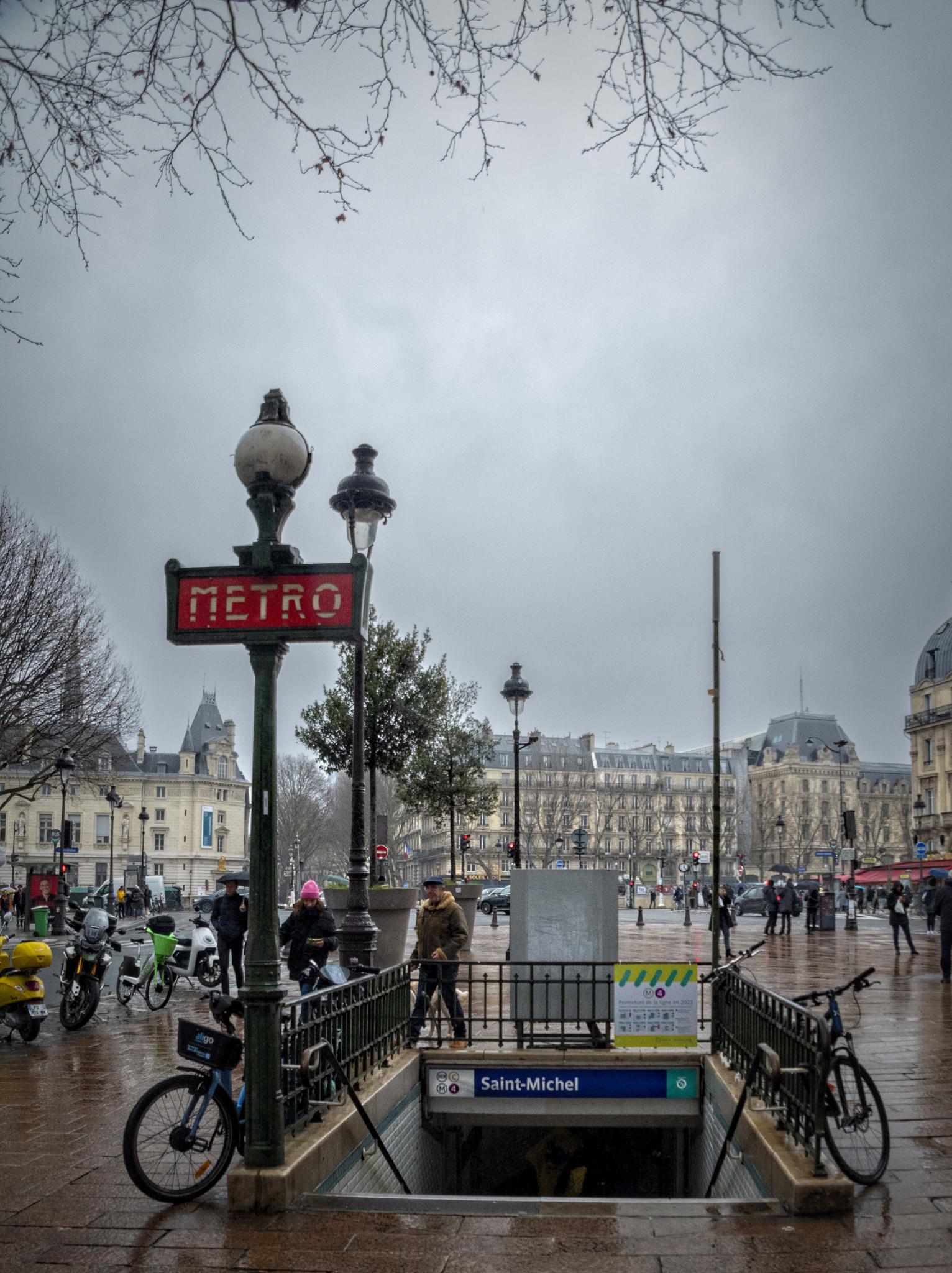 Step out of the Gare du Nord and you might wonder what all the fuss is about. Like many major stations, it's busy, noisy and a little scruffy around the edges. Panic not, within fifteen minutes you'll be wandering along tree-lined boulevards, passing beautiful stone buildings with wrought-iron balconies, elegant cafés and bustling squares. That's when the magic begins.
Paris isn't dominated by skyscrapers, strict building regulations have preserved much of the city's historic skyline, giving it a timeless feel that's increasingly rare in major European capitals.
Paris is divided into 20 arrondissements, or districts, arranged in a spiral that resembles a snail shell. Locals often refer to them simply by number.
You don't need to memorise all twenty, but a few are worth knowing:
1st Arrondissement – Home to the Louvre and some of the city's oldest streets.
4th Arrondissement – Notre-Dame, the historic Marais district and plenty of cafés.
5th Arrondissement – The Latin Quarter, full of students, bookshops and lively restaurants.
7th Arrondissement – The Eiffel Tower and grand government buildings.
8th Arrondissement – Champs-Élysées and luxury shopping.
18th Arrondissement – Montmartre and Sacré-Cœur.
Knowing roughly where these are helps when planning your days.
Getting Around
One of the joys of Paris is that it's incredibly easy to explore.
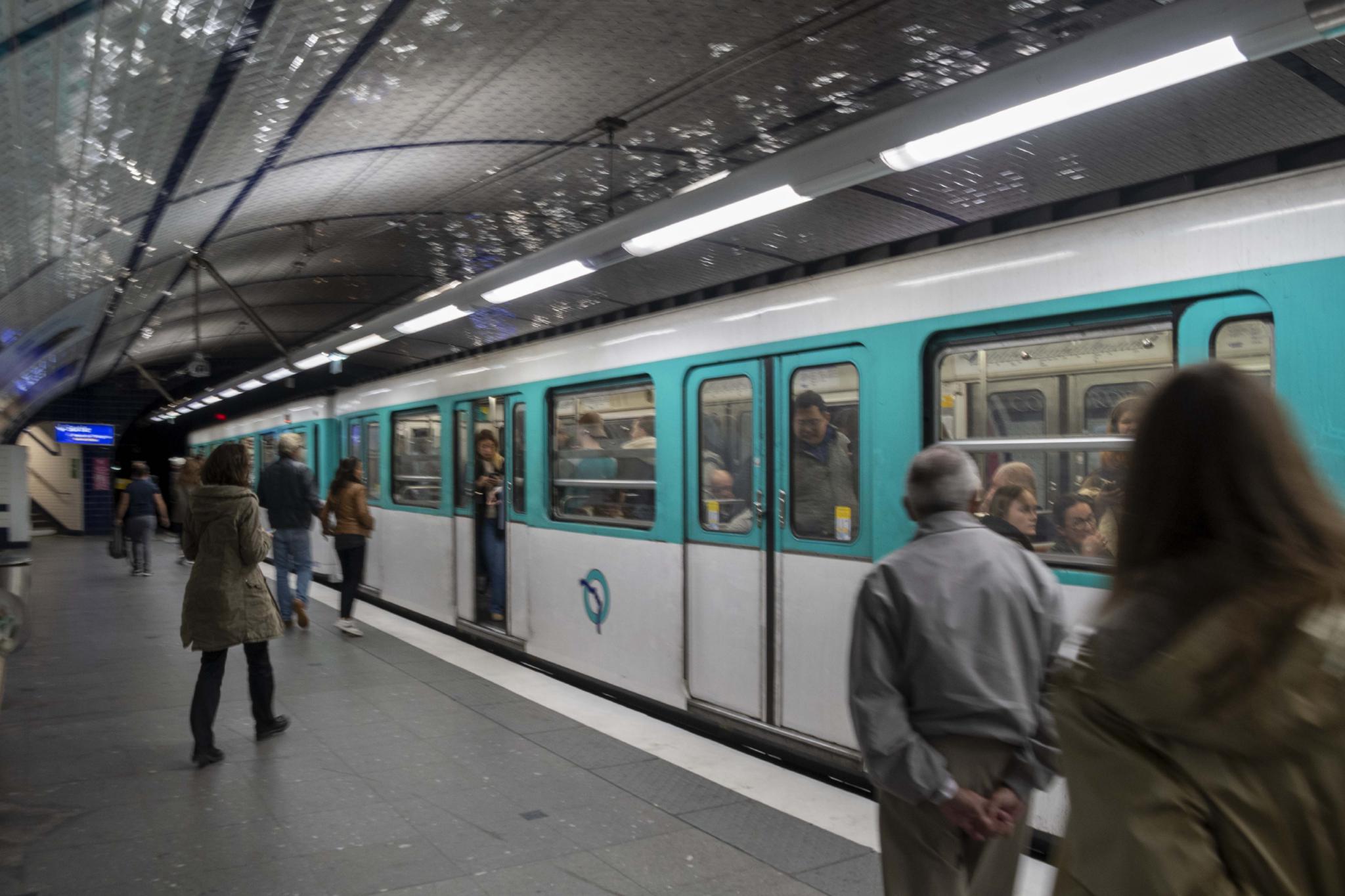 The Paris Metro is one of the best underground systems in Europe. Trains are frequent, stations are plentiful and most attractions are only a short walk from a stop.
If you're staying for several days, it's worth looking at day or multi-day travel passes rather than buying individual tickets.
Here's a tip that doesn't appear often enough in guidebooks: walk whenever you can. Distances between famous attractions are often much shorter than they appear on a map. Walking from the Louvre to Notre-Dame takes around twenty minutes, and you'll pass riverside bookstalls, hidden courtyards and cafés that you'd completely miss using th eMetro.
Some of the best moments in Paris have happened between attractions rather than at them, by walking you will discover charming squares, delightful cafe's .
How Much Does Paris Cost?
Let's tackle the biggest myth first. Is Paris expensive? Well the answer is yes and no.
If you insist on eating every meal beside the Eiffel Tower or along the Champs-Élysées, you'll soon discover your bank balance disappearing faster than a croissant at breakfast. Move just a few streets away, however, and prices become far more reasonable.
Eat like a local, forget breakfast from a chain coffee shop. Find a neighbourhood bakery instead. A warm croissant and coffee enjoyed on a nearby bench will often cost less than a takeaway breakfast from a chain and will taste infinitely better.
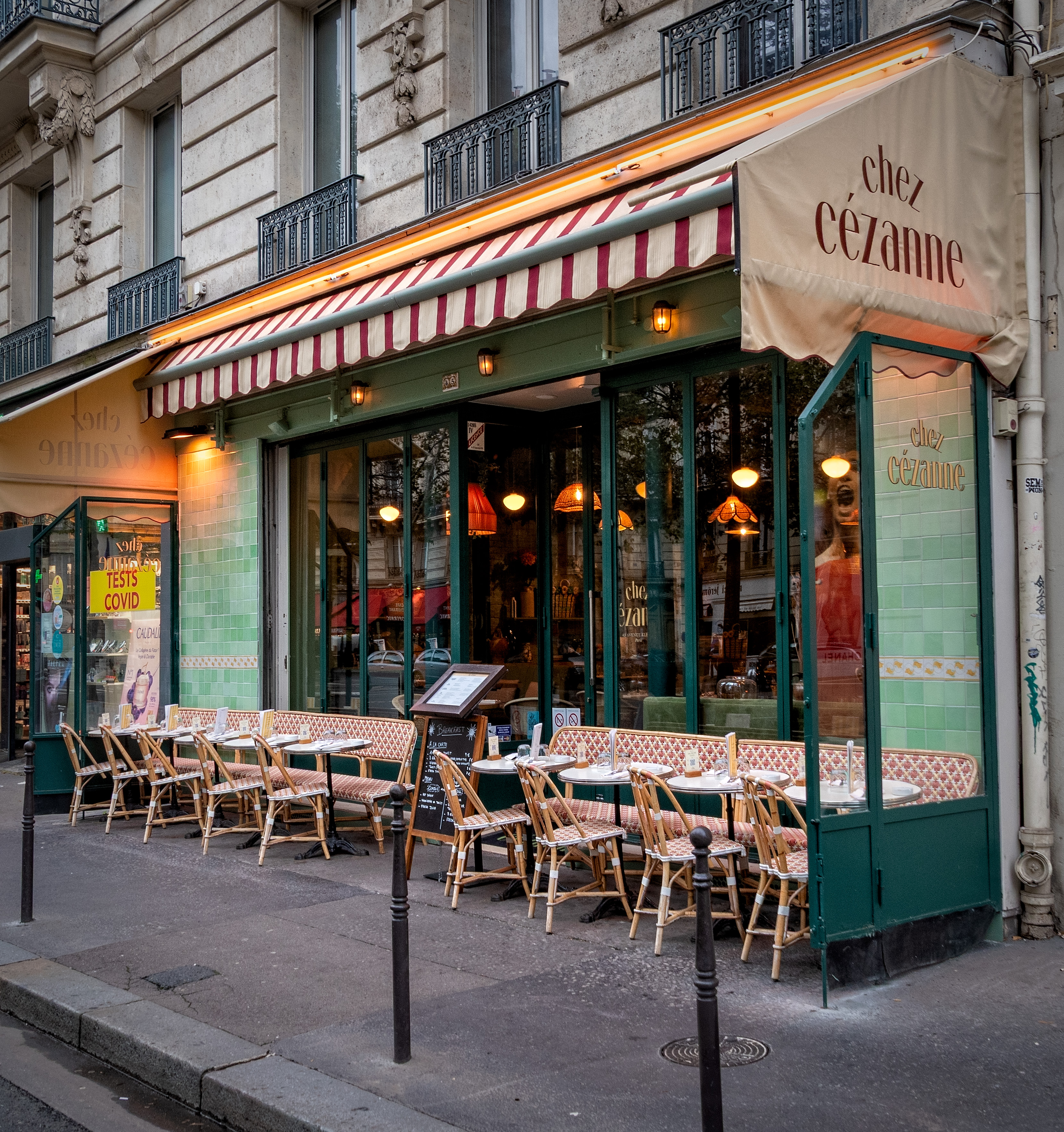 Lunch is traditionally the main meal of the day, although many visitors choose to have their largest meal in the evening. Either works perfectly well, but remember that many smaller restaurants stop serving between lunch and dinner.
Visitors often find French café culture fascinating, nobody seems to be in a hurry. People sit for hours with one coffee, reading a newspaper, chatting with friends or simply watching the world pass by.
And that's perfectly normal.
You don't have to order three drinks and a dessert to justify your table. Relax. Slow down.
Safety
Paris is generally a safe city, but like any major tourist destination, it's wise to stay alert.
Pickpockets tend to target crowded Metro trains and busy attractions. Keep your phone and wallet secure, avoid leaving bags hanging loosely from café chairs, and be cautious if strangers try to distract you with petitions or games near major landmarks.
Use common sense and you'll almost certainly have no problems.
Let's get one myth out of the way. You'll sometimes hear people complain that Parisians are rude. In my experience, that's largely unfair.
What visitors sometimes mistake for rudeness is simply a different style of politeness. French service tends to be more formal and less chatty than in Britain or the United States. Don't expect your waiter to introduce himself by name or ask if you're "having an awesome day". Instead, expect professional service, good food and the freedom to enjoy your meal without being hurried out the door.
Treat people with courtesy, make the effort to say "Bonjour", and you'll usually find that courtesy returned, if you arrogantly go in speaking English expecting instant service then you will, justifiably discover the Parisian curtness.
What to see and do - the "big" ones
If this is your first visit to Paris, let's get one thing straight. You're probably going to visit the Eiffel Tower. It's touristy, you will spend time queuing. And yes...it's absolutely worth it.
The famous attractions in Paris are famous for a reason.
The Eiffel Tower
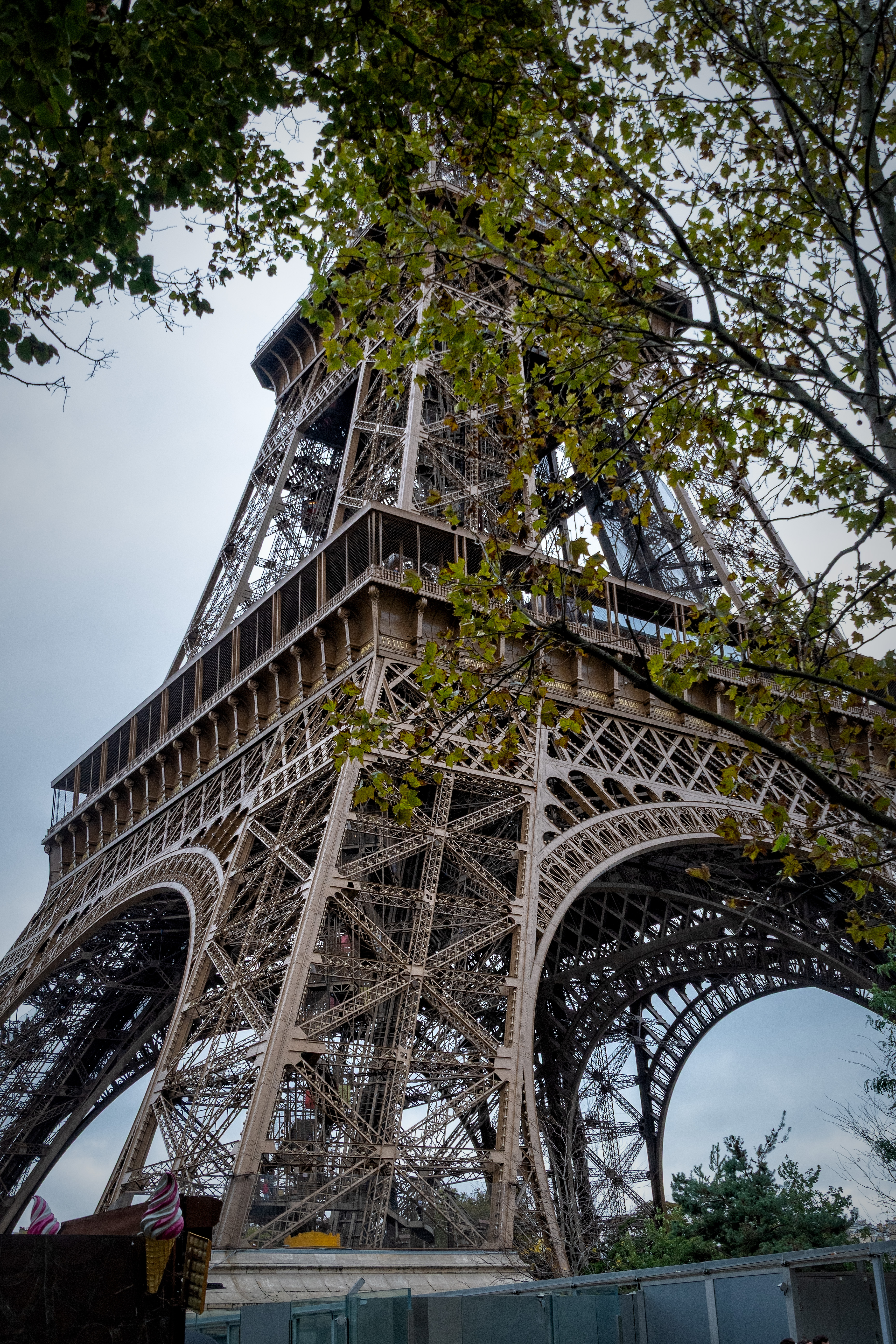 Completed in 1889 for the Exposition Universelle (World's Fair), the Eiffel Tower was designed by the engineer Gustave Eiffel. It was intended to stand for only twenty years, and many Parisians hated it. One leading writer described it as a "gigantic black smokestack." Imagine being the person who wrote that.
Today, it's difficult to imagine Paris without it. More than seven million people visit each year, making it one of the most recognisable landmarks on the planet.
There used to be a time you could walk right up to the tower, stand underneath and look up through the tower. Sadly those days are long gone and the area around the tower is surrounded by a ring of steel with security checkpoings and armed guards - a sad reality of 21st century life.
One thing about the Eiffel Tower is that photographs don't prepare you for its size. As you walk towards it through the Champ de Mars, it grows steadily larger, nearly 330 metres of iron latticework.It isn't delicate. It isn't subtle.
There are three public levels.
The first floor offers glass floors where you can look directly down at the crowds below. It's surprisingly unnerving.
The second floor is where you'll find some of the best views over Paris. Many visitors stop here, and if you're nervous about heights it's more than enough.
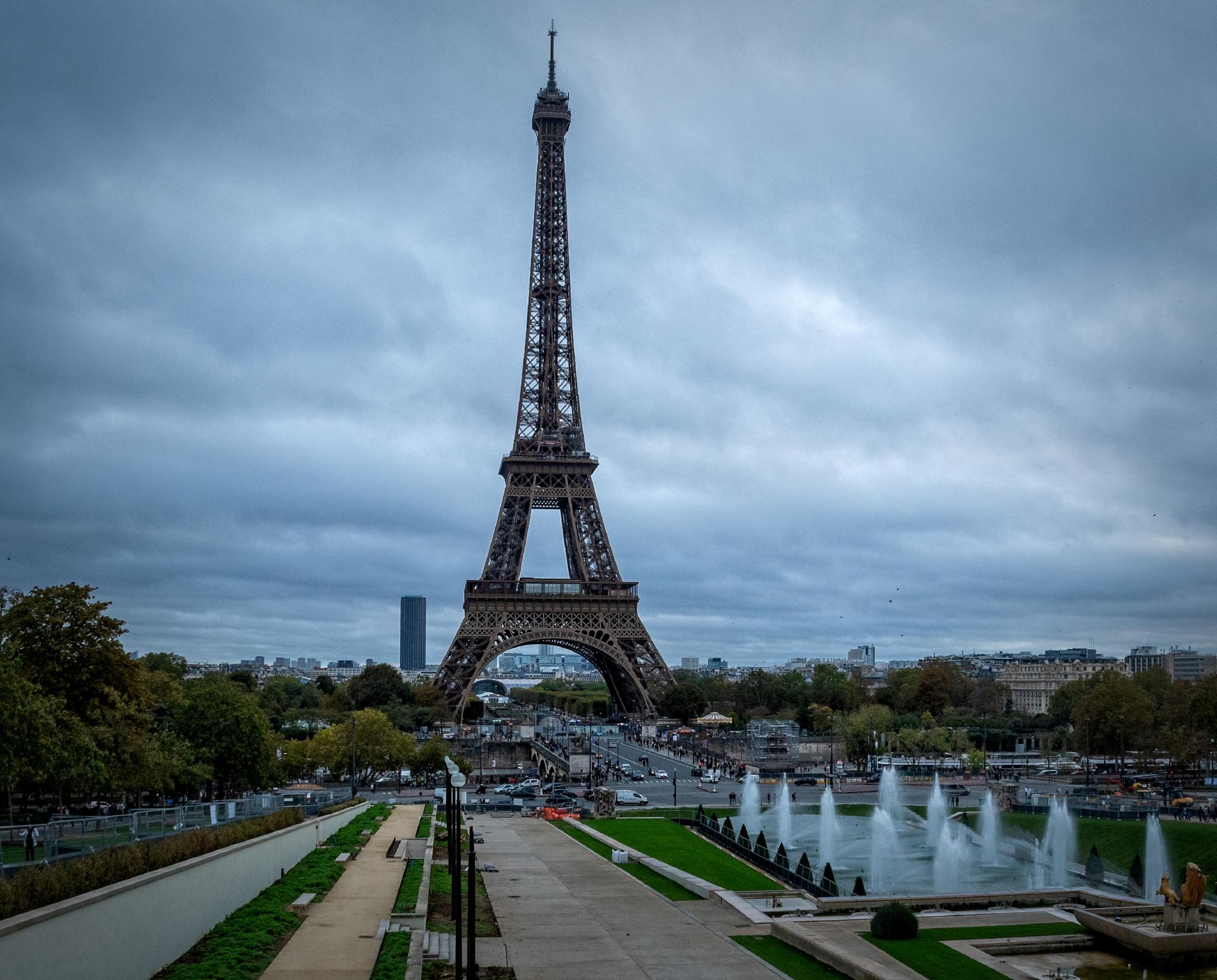 The summit is another experience entirely. On a clear day you can see for miles across the French countryside.
Costs
Ticket to the 2nd Floor (you cannot buy first floor only tickets)
By Stairs: €14.80 for Adults, €7.40 for Youth (12–24), and €3.80 for Children (4–11) and visitors with disabilities.
By Lift: €23.50 for Adults, €11.80 for Youth, and €6.00 for Children (4–11) and visitors with disabilities.
Ticket to the Top (Summit)
By Lift: €36.70 for Adults, €18.40 for Youth, and €9.20 for Children (4–11) and visitors with disabilities.
Stairs + Elevator: €28.00 for Adults, €14.00 for Youth, and €7.00 for Children (4–11) and visitors with disabilities.
Book online well in advance during the summer. Tickets often sell out weeks ahead.
The queues can be long. The souvenir sellers can be persistent. And the cafés nearby are undeniably expensive.
But once you're standing on the viewing platform watching the Seine snake through the city, none of that matters. This is one attraction that genuinely earns its reputation.
Champ de Mars
Most people treat the park beneath the Eiffel Tower as somewhere to walk through. Stop, buy a baguette, some cheese, perhaps a pastry from a local bakery, and spend an hour here. It's one of the best places in Paris for people-watching.
You'll see school groups, newlyweds posing for photographs, families having picnics and tourists attempting to capture the perfect selfie.
The Arc de Triomphe
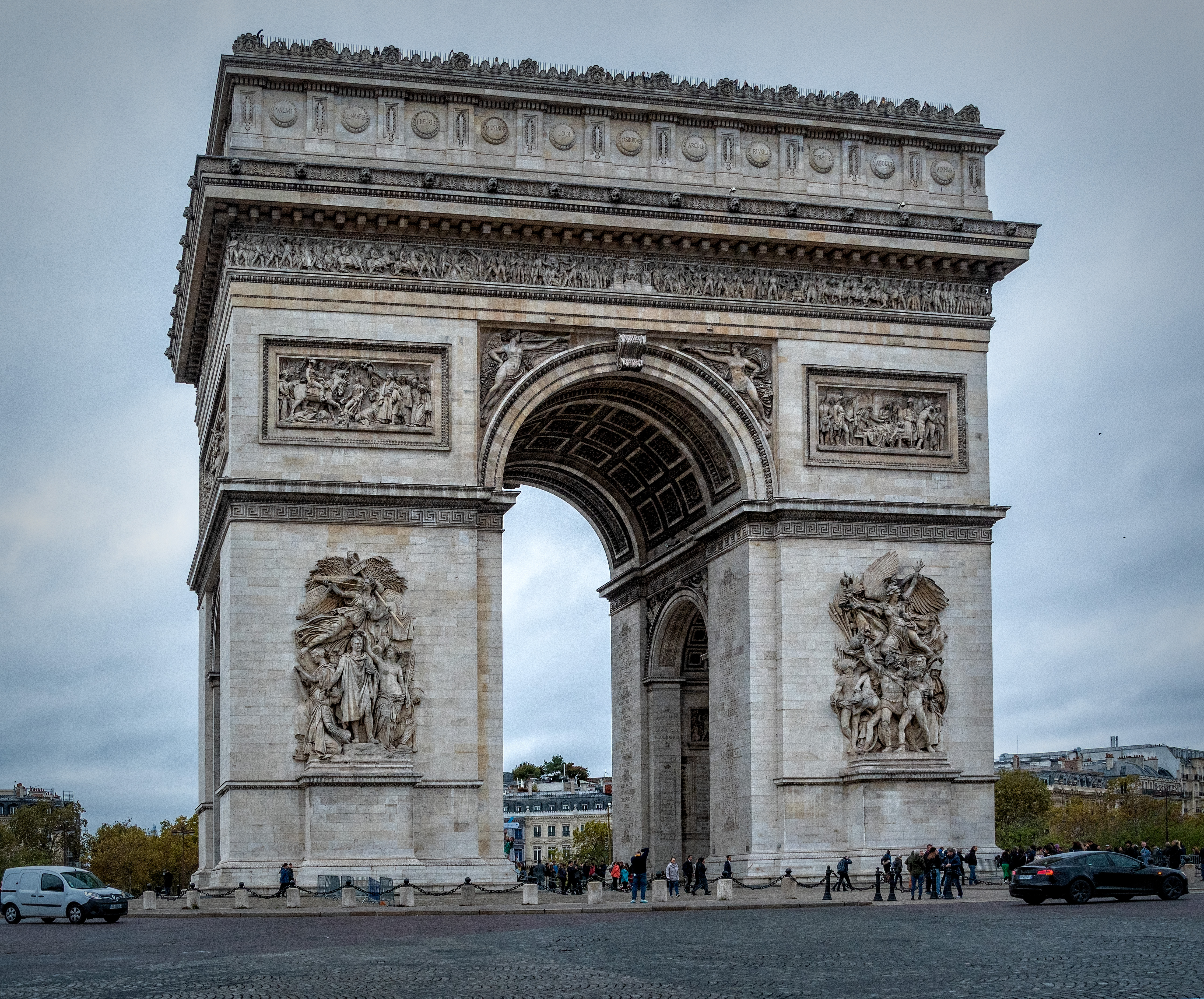 Napoleon commissioned the Arc de Triomphe in 1806 to celebrate his military victories. Ironically, it wasn't completed until long after his reign had ended.
Standing at the western end of the Champs-Élysées, the monument dominates one of Europe's busiest roundabouts, with twelve roads feeding into the junction, and crossing it on foot would be an act of extraordinary optimism, if not suicidal. Thankfully, there are subways linked to the Metro station.
Most visitors simply admire the monument from below, that's a mistake. Climb the 284 steps to the viewing platform and you'll be rewarded with one of the finest panoramas in Paris. Unlike the Eiffel Tower, from here you actually get to see the Eiffel Tower.
Admission is €22 April to September, except Wednesdays, when it is €16. The remainder of the year it is €16.
Beneath the arch lies the Tomb of the Unknown Soldier, commemorating those who died during the First World War. The eternal flame is rekindled every evening in a moving ceremony that many visitors overlook.
The best time to visit is late afternoon. If you can, stay until sunset as watching the city lights gradually appear while the Eiffel Tower begins to sparkle in the distance is unforgettable.
Compared with some major attractions, it's reasonably priced, rarely feels overcrowded and offers spectacular views.
The Champs-Élysées
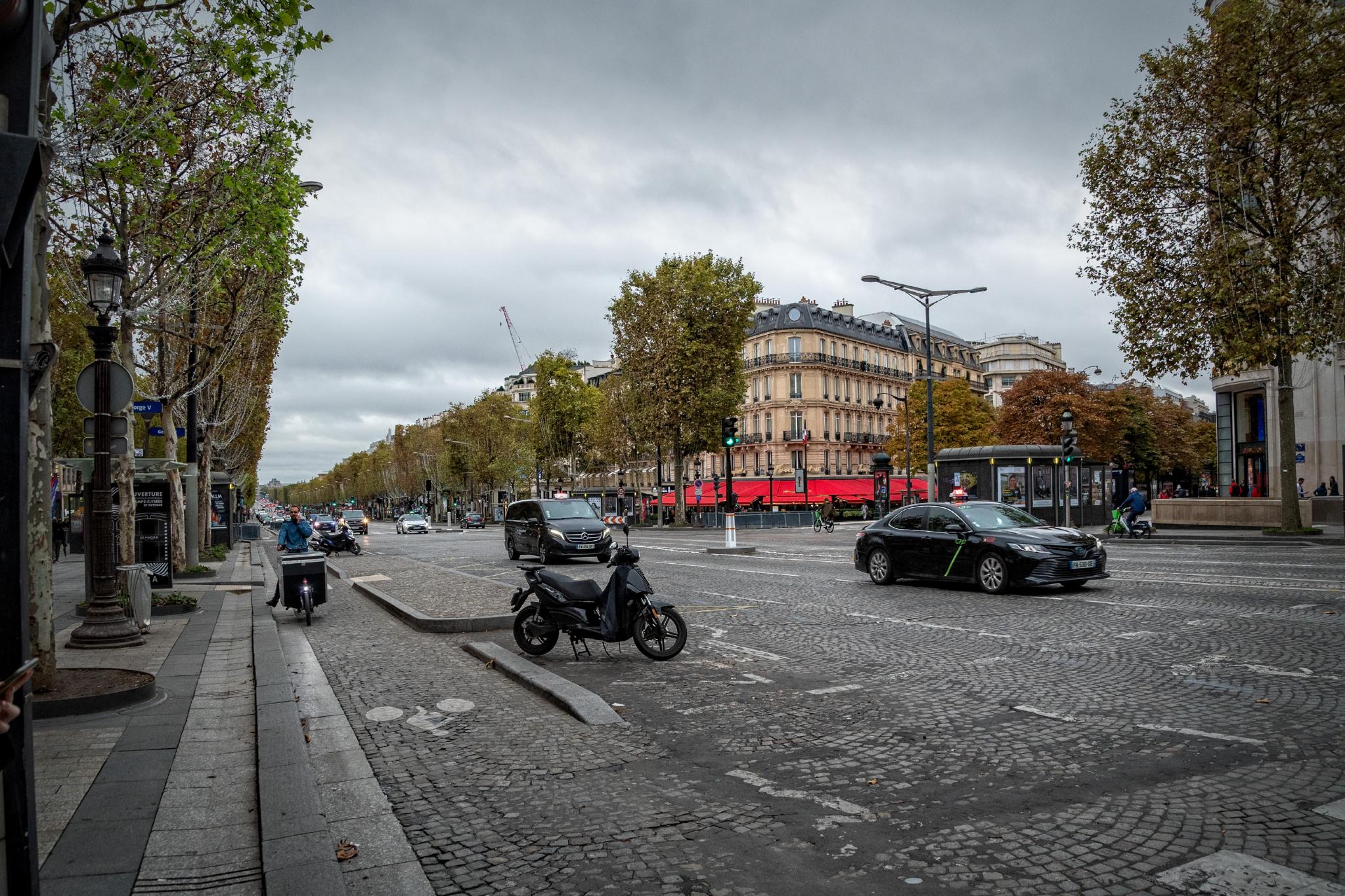 The phrase "the world's most beautiful avenue" is often attached to the Champs-Élysées.
Whether it's the most beautiful subjective, whether it's the most famous certainly isn't.
Stretching nearly two kilometres between the Arc de Triomphe and the Place de la Concorde, it's lined with luxury boutiques, flagship stores, theatres and cafés.
If your dream is buying designer handbags, welcome to paradise. If your budget stretches only to an overpriced coffee and a croissant, you'll still enjoy the atmosphere.
If you're a shopper you'll find international brands alongside luxury fashion houses. Even if you have no intention of shopping, it's entertaining to browse.
Eating is where prices start climbing. Restaurants directly on the avenue tend to charge a premium. The food is often perfectly good, but wander into the side streets and you'll usually find better value and a more authentic atmosphere.
It can feel crowded, commercial and expensive.
Still, it's one of those places you simply have to experience at least once.
Place de la Concorde
At the eastern end of the Champs-Élysées stands one of Paris's grandest squares.
It's also one of its most historically significant. During the French Revolution this was where the guillotine stood. Among those executed here were King Louis XVI and Marie Antoinette.
Today it's a peaceful square featuring fountains and the 3,300-year-old Luxor Obelisk, gifted to France by Egypt in the nineteenth century.
It's strange to think that somewhere now filled with tourists taking photographs was once the scene of such dramatic events.
If you want to survive your visit to Paris use the subway to reach the square, don't attempt to cross the road, unless you're feeling suicidal, which you ceretainly won't be if you're in Paris.
A Cruise on the Seine
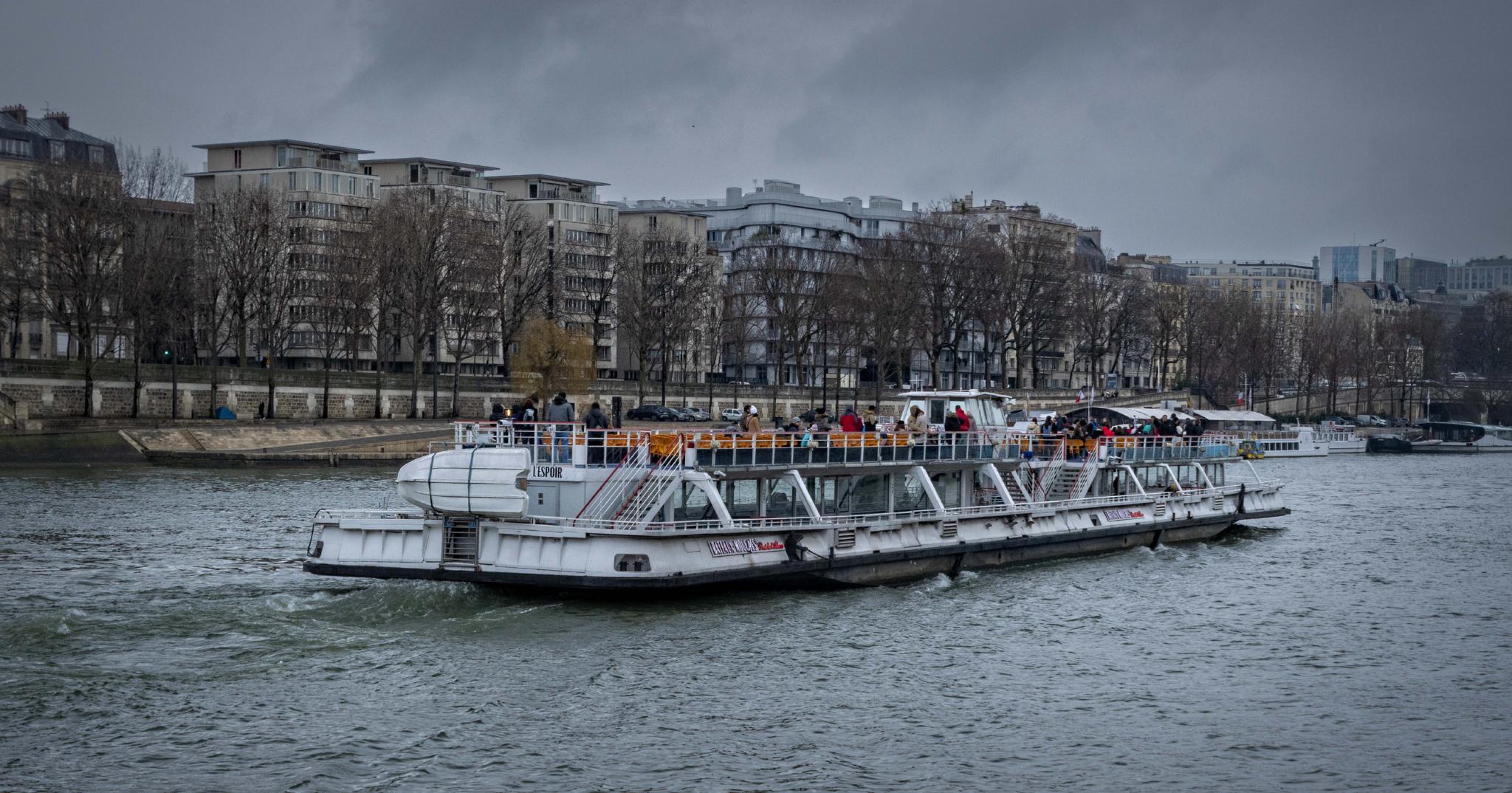 Some tourist attractions are overrated, this isn't one of them. A river cruise offers a completely different perspective on Paris. For around an hour you'll drift past many of the city's best-known landmarks while listening to commentary explaining what you're seeing.
You'll pass:
• The Eiffel Tower
• Notre-Dame
• The Louvre
• Musée d'Orsay
• The Conciergerie
• The Grand Palais
• Dozens of elegant bridges, each with its own story
Expect to pay between €18 and €22 for an adult sightseeing cruise.
Dinner cruises cost considerably more but can be a memorable treat if you're celebrating a special occasion.
Day or Night? If you can only do one, choose the evening. Watching Paris light up as darkness falls is magical. When the Eiffel Tower begins its sparkling display, cameras appear from every direction.
Sit outside if the weather allows, you'll probably get slightly windswept but the photographs and the atmosphere are worth it.
The Louvre
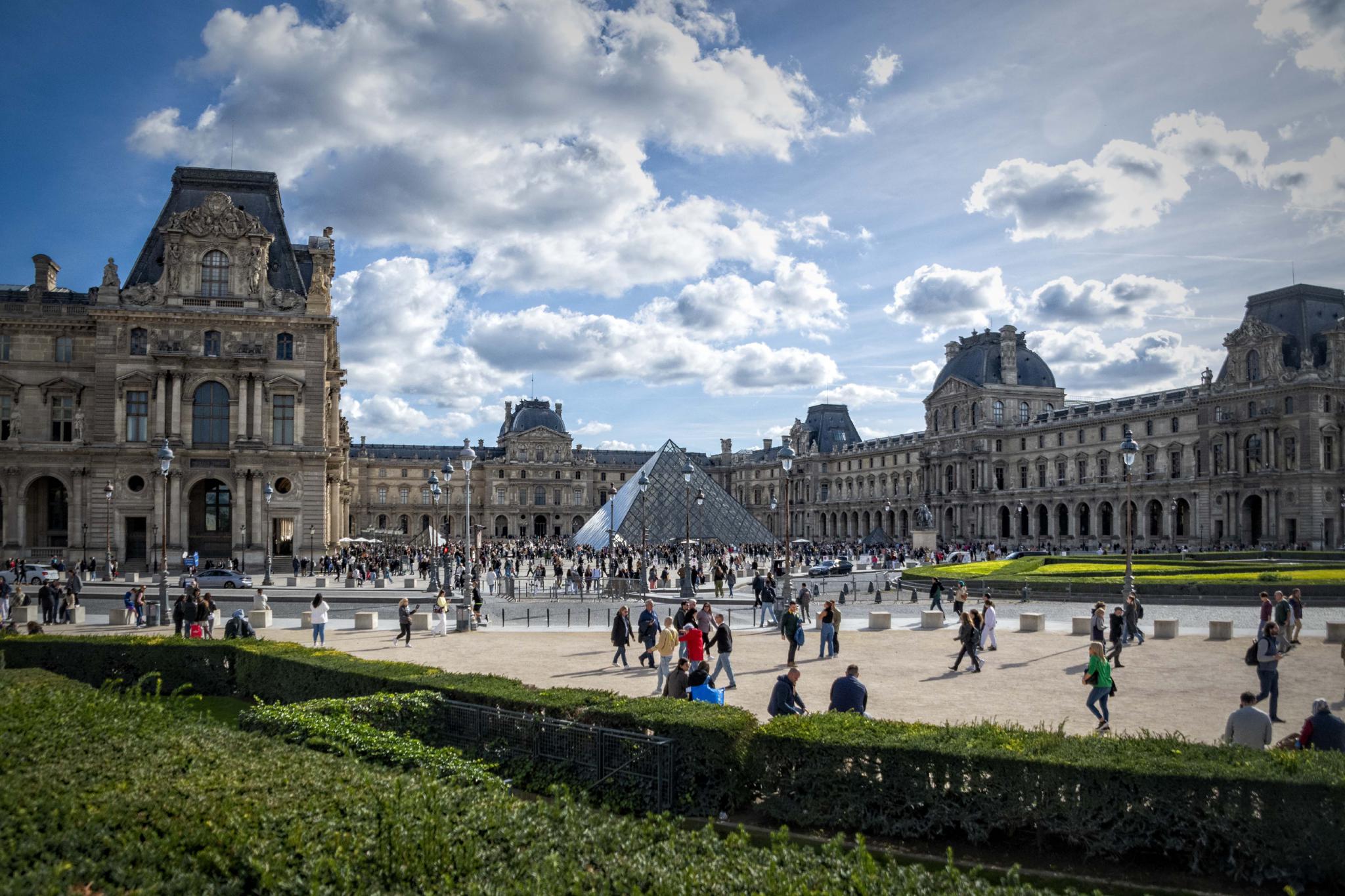 "It's just a museum..." Actually, it's more like a small city that happens to be full of priceless art.
The Louvre wasn't built as a museum. It began life in the 12th century as a fortress before becoming a royal palace. It only became a public museum after the French Revolution, when the royal collections were opened to everyone.
Today it's the largest art museum in the world, with more than 35,000 works on display. If you spent just 30 seconds looking at each exhibit, you'd be wandering the galleries for well over two weeks.
So here's your first lesson, don't even try to see it all - you'll fail.
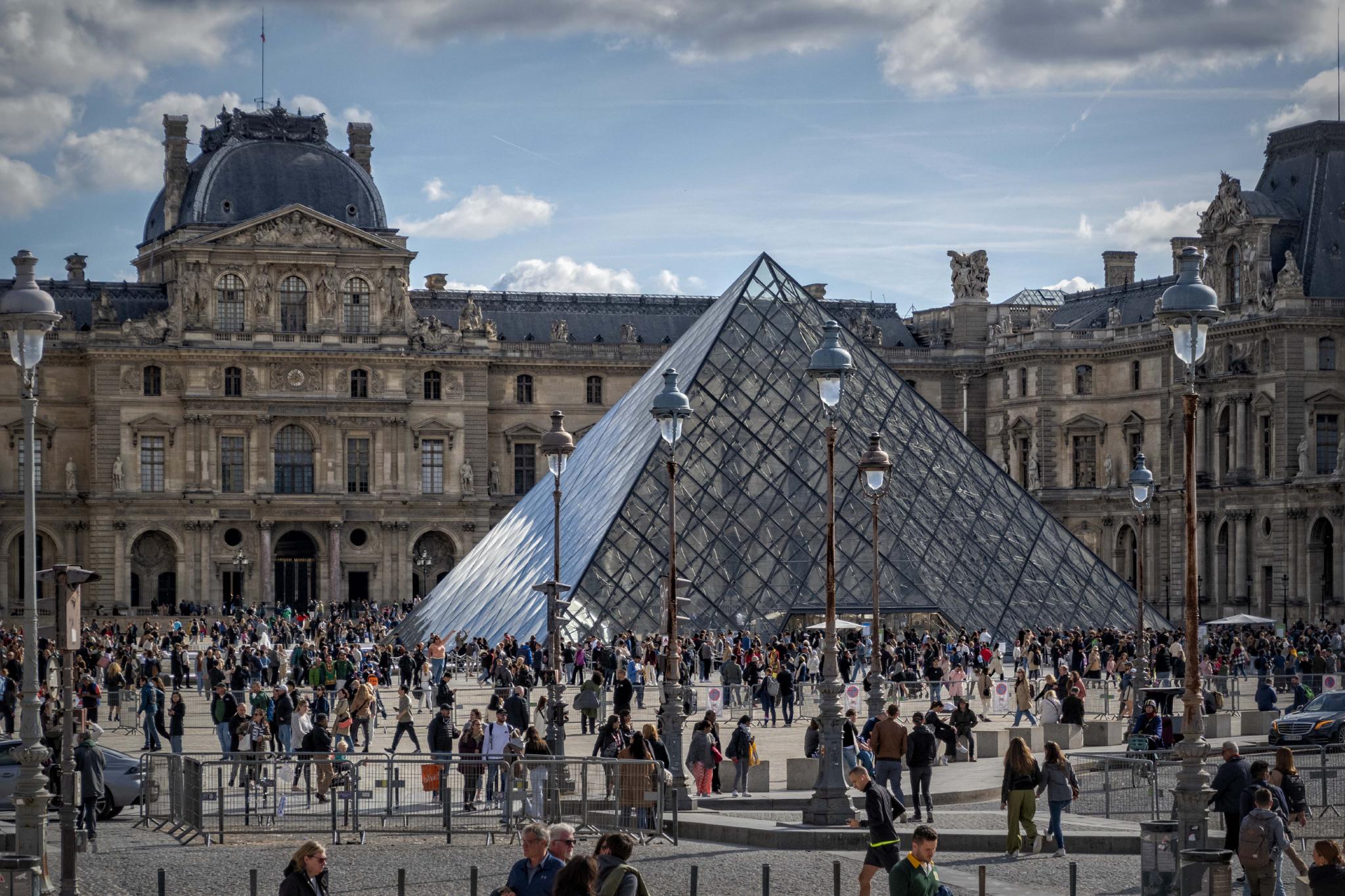 The Glass Pyramid - when architect I. M. Pei unveiled the glass pyramid in 1989, many Parisians were horrified. Now it's one of the city's best-loved landmarks. It's a reminder that Paris isn't simply a city trapped in the past—it continues to evolve.
What Should You See?
Most first-time visitors head straight for the same handful of masterpieces.
The Mona Lisa
Let's deal with the obvious question. Is she smaller than people expect? - Yes.
Is the room crowded? - Usually.
Will you spend more time looking at other visitors holding up mobile phones than at the painting itself? - Probably.
Is she still worth seeing? - Absolutely.
Leonardo da Vinci's masterpiece has become so famous that some people leave disappointed because they expected something the size of a cinema screen.
The Venus de Milo is one of the world's most recognisable sculptures. She's missing her arms, so either ancient sculptors had remarkably bad luck with limbs or history simply hasn't been kind to marble statues.
Many visitors underestimate just how impressive the Egyptian galleries are.
Expect:
• Mummies
• Sarcophagi
• Ancient jewellery
• Statues
• Hieroglyphics
You could spend half a day here alone.
Napoleon III Apartments are perhaps the Louvre's best-kept secret. These lavish rooms are decorated with chandeliers, silk, gold leaf and enough velvet to furnish several stately homes.
If you want to know how French royalty lived, start here.
Admission cost €22 for visitors from the EU / EEA, for all other international visitors admission is €32
Booking online in advance is strongly recommended.
Musée d'Orsay
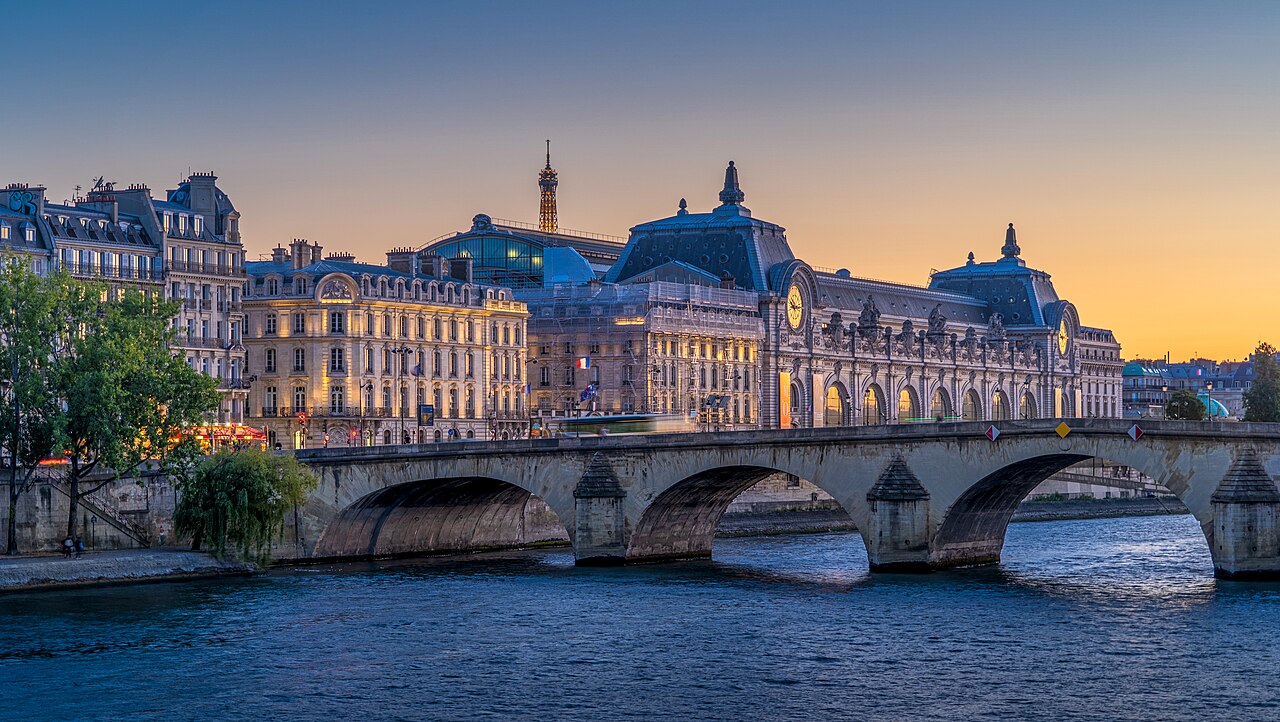 "The museum for people who think they don't like museums."
If the Louvre tells the story of civilisation, the Musée d'Orsay tells the story of beauty.
Housed inside a magnificent former railway station, it feels welcoming rather than overwhelming. Many seasoned travellers actually prefer it to the Louvre.
This is where you'll find the artists who changed painting forever.
- Monet.
- Renoir.
- Degas.
- Cézanne.
- Manet.
- Van Gogh.
The Van Gogh self-portraits attract huge crowds, but don't miss his landscapes. The colours seem almost alive.
Monet's paintings of water lilies and gardens are wonderfully calming.
Don't leave without visiting the enormous clock overlooking Paris. It's one of the museum's most photographed spots—and for good reason.
Adult tickets are €16. (Free admission the first Sunday of the month - mandatory advance booking)
Allow two to three hours.
Notre-Dame Cathedral
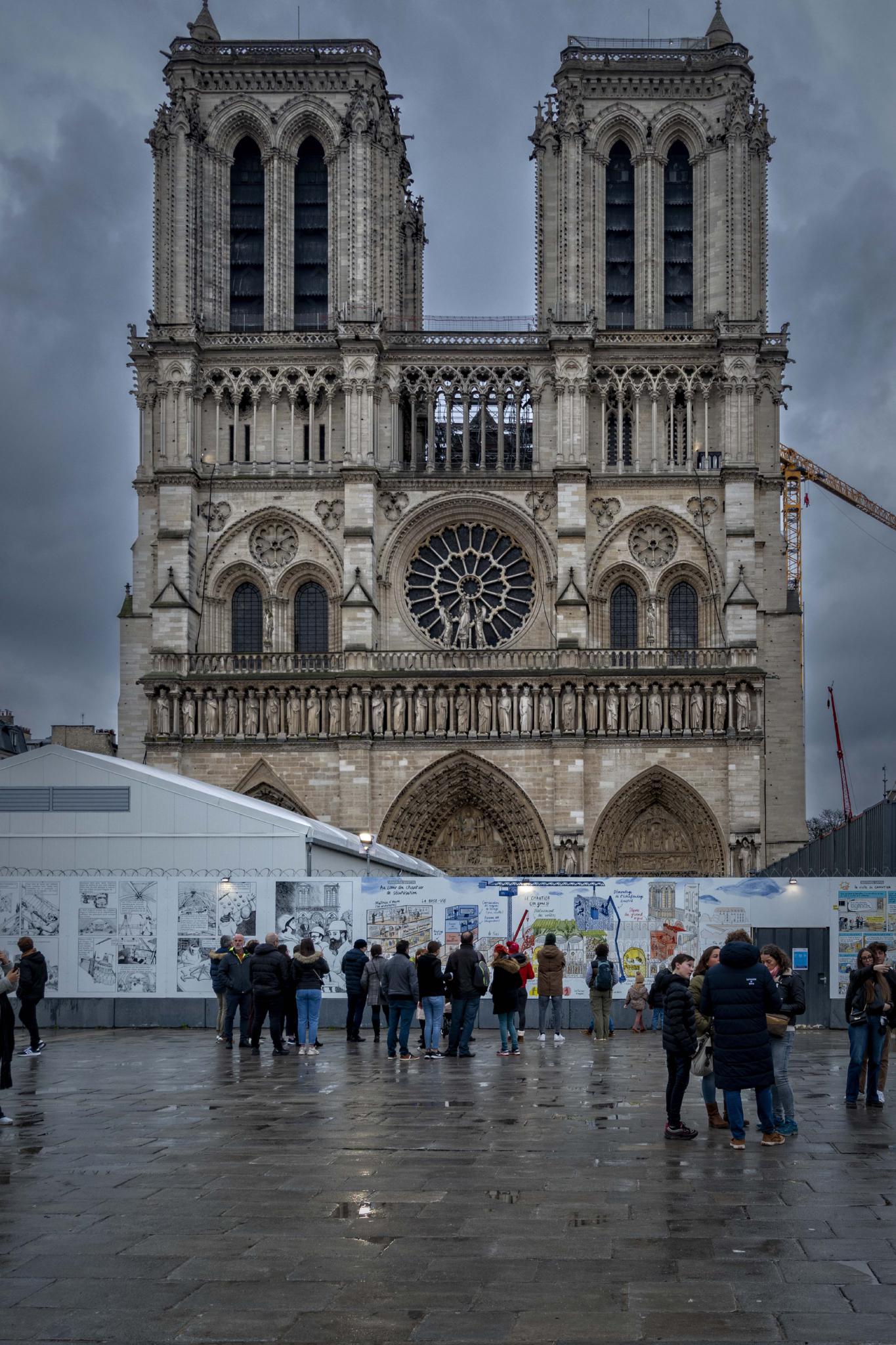 "A survivor."
Few buildings have captured the world's attention quite like Notre-Dame. Construction began in 1163 and for centuries it witnessed coronations, revolutions, occupations and celebrations.
Then, in 2019, disaster struck.
A devastating fire destroyed the cathedral's roof and iconic spire. Millions watched in disbelief as flames engulfed one of Europe's greatest buildings. Fortunately, the main structure survived, and after years of painstaking restoration the cathedral has welcomed visitors once again. Walking inside today is surprisingly emotional.
The stonework looks much as it always has, but knowing what it survived gives every arch and stained-glass window a deeper meaning.
Entry to the cathedral is free.
There may be timed entry arrangements during particularly busy periods.
This isn't merely another attraction, it's one of Europe's great cathedrals.
Sainte-Chapelle
"The most beautiful room in Paris?"
From the outside, Sainte-Chapelle is attractive enough.
Inside...
It's extraordinary. The upper chapel contains fifteen towering stained-glass windows depicting more than a thousand biblical scenes. On a sunny day the entire chapel seems to glow. It's less like entering a church and more like stepping inside a jewel box.
Admission
Around €22, with concessions available.
Book ahead if you're travelling in peak season.
If the sun is shining, count yourself lucky, it's one of Paris's finest hidden treasures hiding in plain sight.
If the Eiffel Tower is the face of Paris, then Montmartre is its heart.
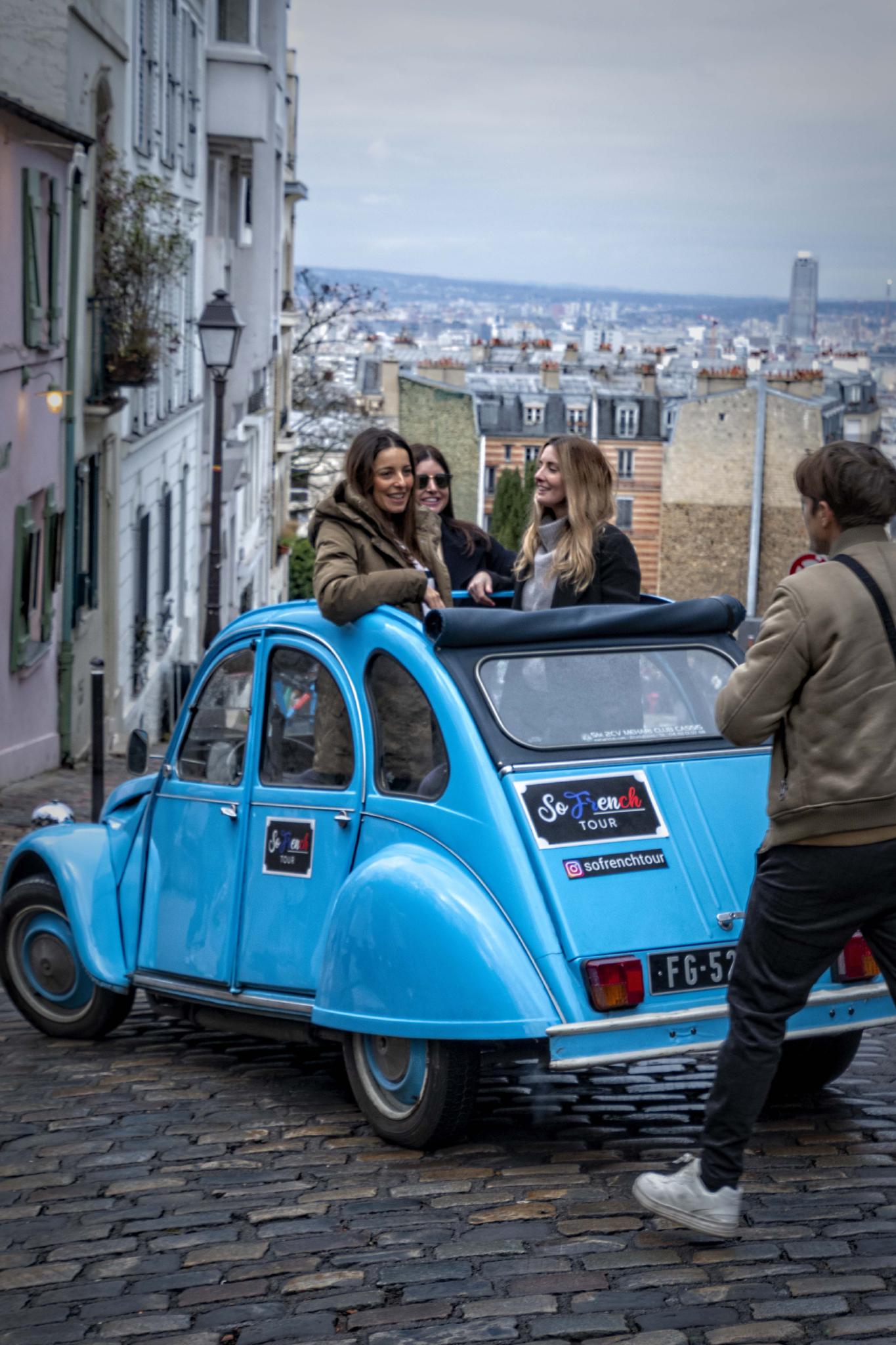 Ask ten people what their favourite part of the city is and, chances are, at least half will mention this hilltop neighbourhood. It's the Paris you've seen in films: cobbled streets, artists painting in tiny squares, cafés spilling onto pavements, accordion music drifting through the air and old stone buildings covered in climbing ivy.
Yes, it's popular with tourists, but that doesn't spoil it. Indeed, if anywhere in Paris deserves the crowds, it's Montmartre.
Before it became part of Paris, Montmartre was a village sitting outside the city walls. For years it was home to farmers, windmills and vineyards. Then, towards the end of the nineteenth century, something remarkable happened - artists arrived. Not because it was fashionable, but because it was cheap. The rents were low, the cafés stayed open late and the area attracted musicians, writers and painters who couldn't afford the grand apartments of central Paris.
Some of them went on to become rather famous. Picasso, Van Gogh, Renoir, Toulouse-Lautrec and many others all spent time here. Imagine popping into your local café and finding yourself sharing a table with some of history's greatest artists.
Here's the first rule of visiting Montmartre, throw your map away. Well...not literally.
But don't march from one attraction to another like you're following a military exercise. The real pleasure comes from wandering. Turn down streets because they look interesting. Climb staircases simply to see where they lead. Pause outside bakeries because something smells irresistible.
You'll discover tiny squares where elderly locals play pétanque, hidden gardens peeking through wrought-iron gates and little shops selling handmade chocolates, paintings and books.
Some of the best memories of Montmartre have nothing to do with famous landmarks. They're simply moments: a cat asleep on a windowsill, a violinist playing beneath a streetlamp or the smell of fresh bread drifting from a bakery.
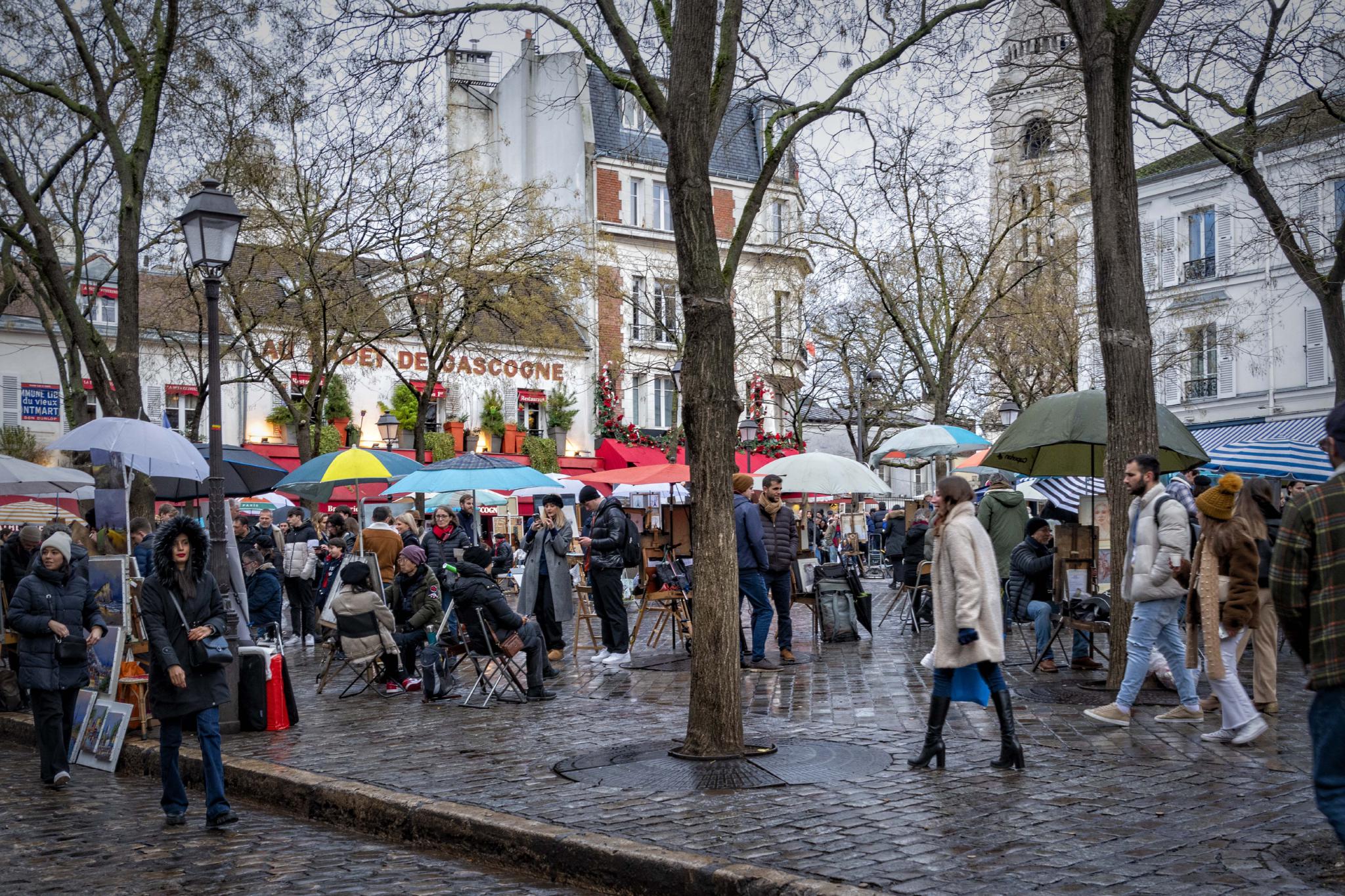 Eventually, almost everyone ends up in Place du Tertre, the bustling square where artists set up their easels each day. It's undeniably touristy. You'll be invited to have your portrait drawn. Some artists are exceptionally talented, others...well, let's just say your family may struggle to recognise you.
If you're considering a portrait, spend a few minutes looking at examples before committing. Prices vary, and so does quality.
Even if you don't buy anything, it's a wonderful place to sit with a coffee and watch artists at work.
The cafés immediately around the square are perfectly pleasant, but you'll often find better food—and better prices—just two or three streets away.
Tourists tend to stop at the first restaurant they see. Don't, walk a little further. Your taste buds (and your wallet) will thank you.
If you can, return after dark, do so. Once the day-trippers have drifted away, Montmartre becomes quieter and more intimate. Streetlamps cast a warm glow across the cobbles, restaurant terraces fill with conversation and the city lights twinkle below.
It's difficult not to fall a little bit in love with Paris here.
Old Moaner's Top Tips
• Wear comfortable shoes. Montmartre is beautiful, but it's also hilly.
• Visit early in the morning if you want photographs without crowds.
• Don't buy souvenirs from the first stall you see.
• Wander side streets—they're often prettier than the main tourist routes.
• Slow down. This part of Paris isn't about ticking off attractions.
Sacré-Cœur
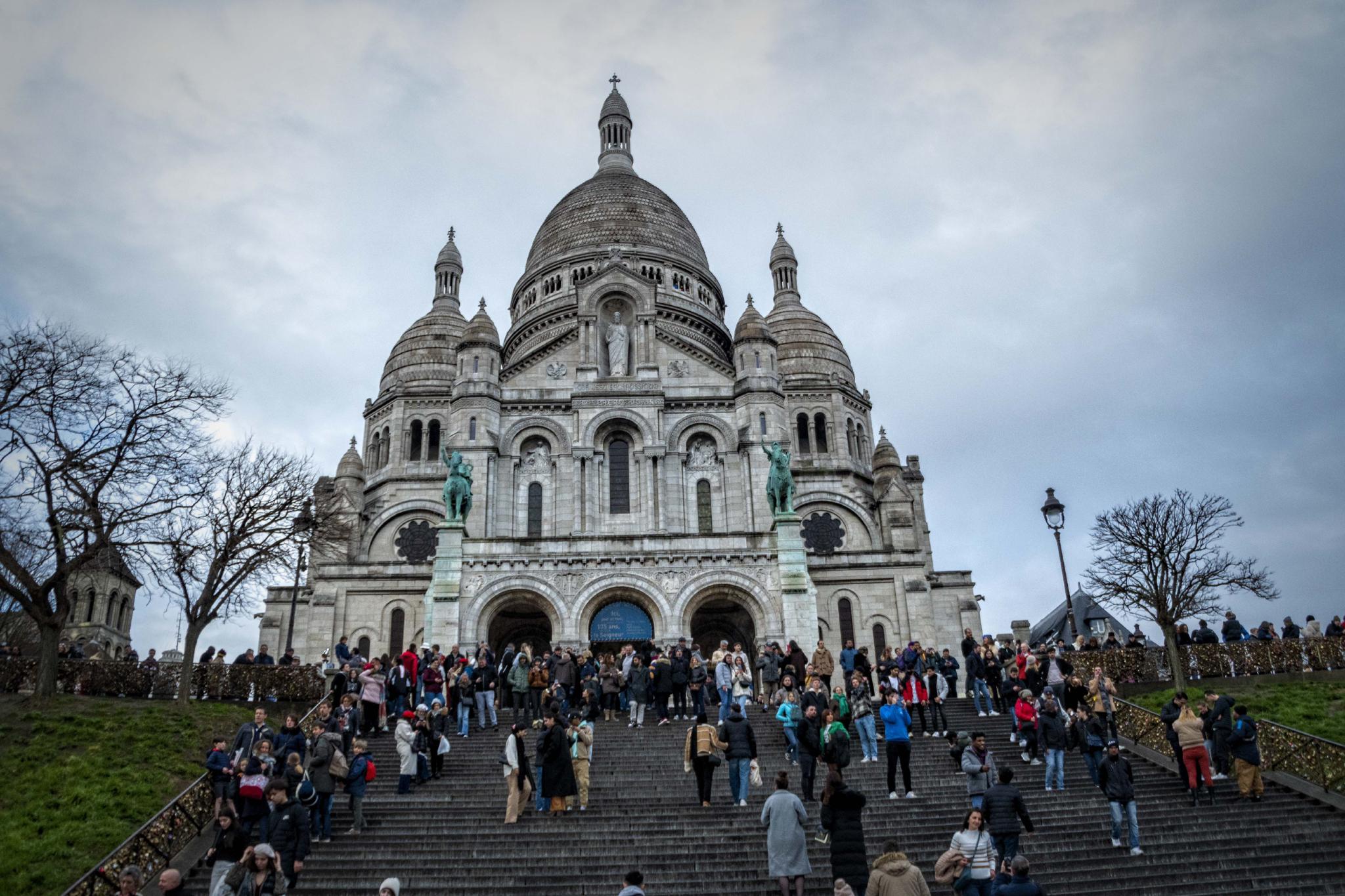 Rising above Montmartre like a gleaming white crown, Sacré-Cœur is one of Paris's most recognisable landmarks. Construction began in 1875 and the basilica wasn't completed until 1914. Built from a special type of limestone that actually becomes whiter when it rains, it always seems to look freshly cleaned.
Whether you admire its architecture or not, there's one thing everyone agrees on, the view is magnificent. The broad steps in front of Sacré-Cœur have become one of Paris's unofficial meeting places.
Bring a sandwich, find a spot and simply watch Paris stretch away beneath you.
Admission to the church itself is free. Inside you'll find soaring domes, peaceful chapels and one of the largest mosaics in the world.
Photography is restricted in some areas, so remember this isn't simply a tourist attraction—it's an active place of worship.
If your legs haven't suffered enough already, you can climb to the dome. Around 300 steps later you'll be rewarded with an even better panoramic view.
Cost of the climb is €8 adult €5 child.
The Latin Quarter
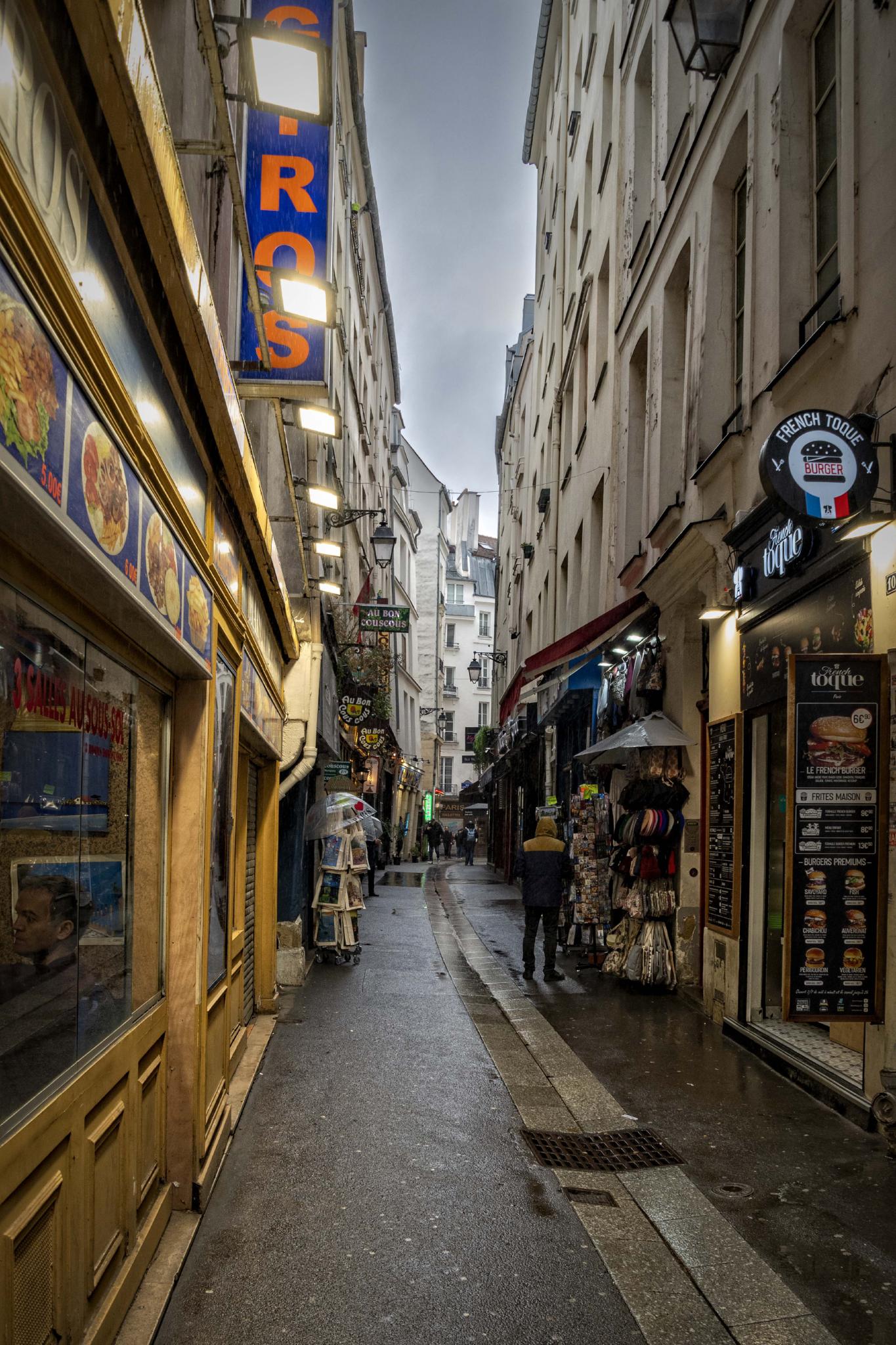 Cross the Seine to the Left Bank and you'll discover the Latin Quarter, one of Paris's oldest and liveliest districts. The name comes from the days when students at the nearby university spoke Latin during their studies. Thankfully, things have moved on a bit since then.
Today the area buzzes with bookshops, jazz bars, independent cinemas, cafés and affordable restaurants. It has a younger feel than many other parts of Paris, thanks to the large student population.
Shakespeare and Company - If you love books, don't miss this place. This famous English-language bookshop has welcomed writers and readers for generations. Shelves overflow with novels, travel books and literary classics, while cosy reading nooks invite you to linger. Even if you leave empty-handed, it's worth stepping inside simply for the atmosphere.
Rue Mouffetard is one of the oldest streets in Paris. Unlike the grand boulevards, Rue Mouffetard feels wonderfully local. Greengrocers display colourful fruit outside their shops, cheesemongers tempt passers-by with enormous wheels of Brie and cafés spill onto the pavement. If you're looking for somewhere to buy picnic supplies, this is an excellent choice.
Eating in the Latin Quarter, prices here are generally kinder than around the Eiffel Tower or Champs-Élysées. Look for restaurants offering a prix fixe menu—a set lunch or dinner with two or three courses. These often provide excellent value. And don't worry if the menu is written only in French. Half the fun is discovering what you've ordered.
Luxembourg Gardens
Every great city needs somewhere to slow down. For Paris, it's the Luxembourg Gardens.
Created in the seventeenth century for Marie de' Medici, the gardens are beautifully maintained without feeling overly formal.You'll find tree-lined avenues, colourful flowerbeds, fountains and hundreds of the famous green metal chairs scattered around the park.
Nobody seems to be in a hurry here.
Some people read, others nap, children sail toy boats across the central pond while grandparents cheer them on from the sidelines.
It's wonderfully, unapologetically French.
If you've visited Rue Mouffetard beforehand, you'll have everything you need for a perfect picnic. Fresh baguette, cheese, fruit, perhaps a pastry.
Find a chair, watch the world go by and congratulate yourself on avoiding another overpriced tourist lunch.
Lesseer known gems
Canal Saint-Martin – The Paris of the Locals
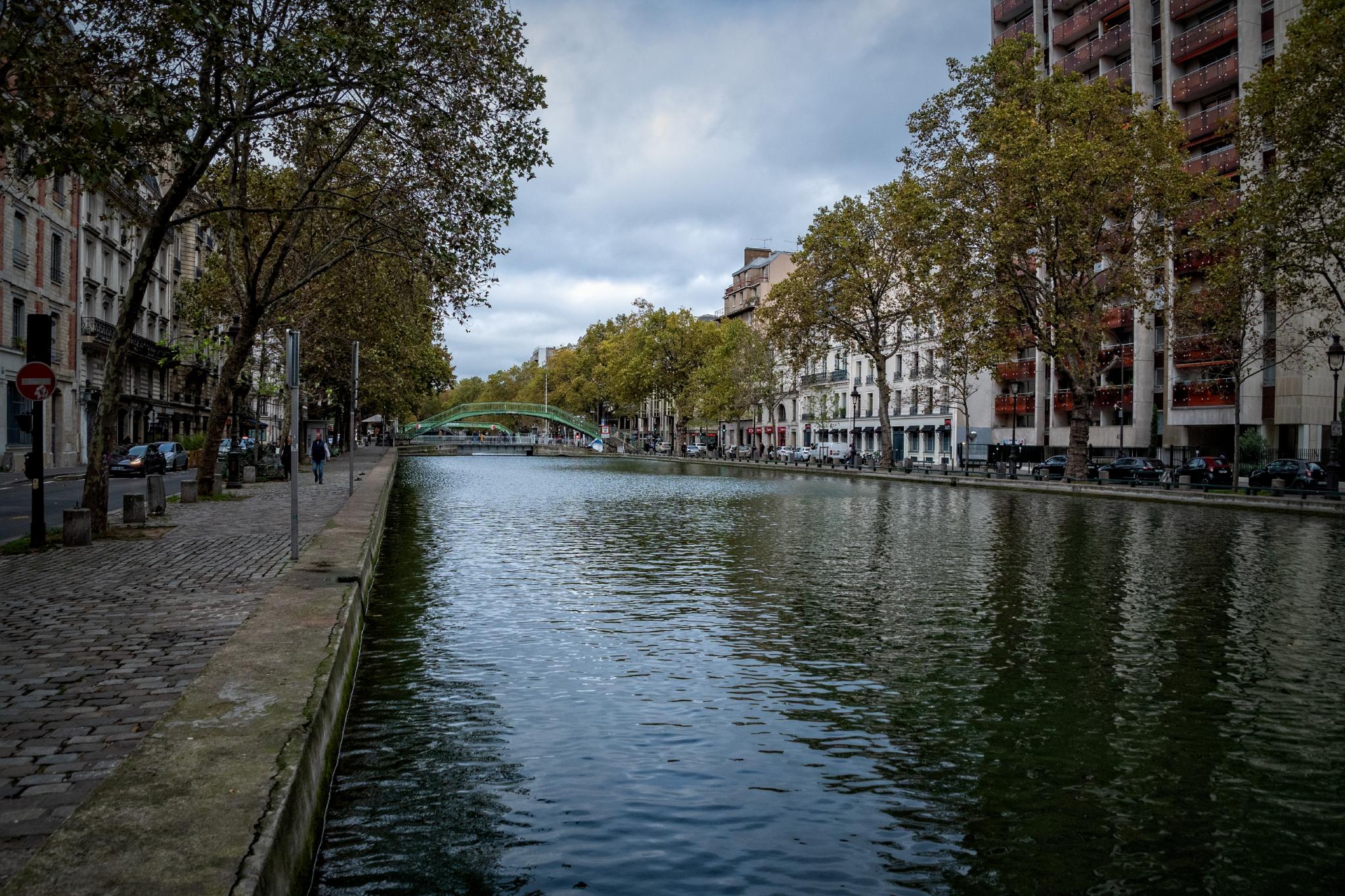 If Montmartre is Paris's artistic soul, Canal Saint-Martin is where many Parisians come to relax. Built during Napoleon's reign to provide fresh water to the city, the canal now attracts joggers, cyclists, couples and groups of friends enjoying lazy afternoons beside the water.
Unlike the Seine, there's no pressure to "see the sights."
Instead you'll find iron footbridges, leafy trees, independent cafés and people who seem to have mastered the art of doing absolutely nothing. Which, after a few days in Paris, starts to look like a rather sensible life choice.
Buy lunch from a nearby bakery, sit beside the canal and simply watch life drift past.
Rue Crémieux – The Street Everyone Photographs
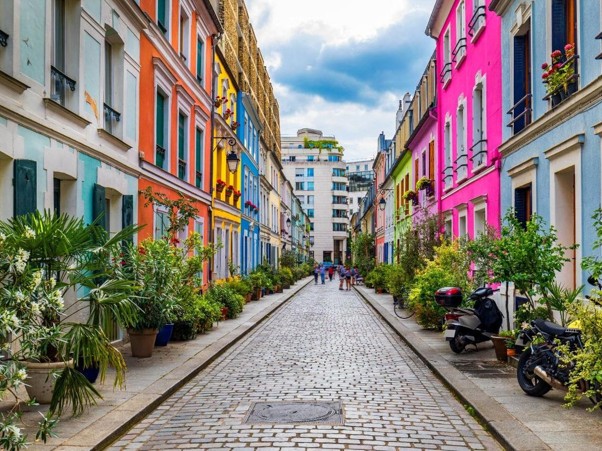 Imagine someone took a quiet London mews, painted every house in cheerful pastel colours and then forgot to tell the rest of Paris.
That's Rue Crémieux.
It's one of the city's most photographed streets, yet surprisingly few first-time visitors know it exists.
The colourful houses make it look almost Mediterranean.
One word of caution, though, people actually live here.
Take your photographs, admire the street, but keep the noise down. Nobody enjoys finding twenty strangers conducting an impromptu photo shoot outside their front door before breakfast.
The Covered Passages
 Paris weather isn't always kind.
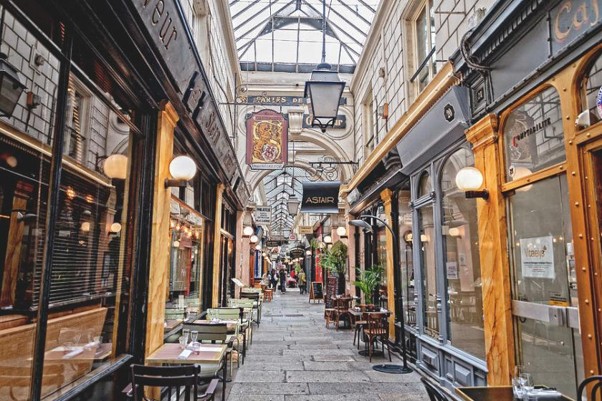
Fortunately, the nineteenth century solved that problem. Long before shopping centres existed, elegant glass-roofed arcades known as covered passages allowed shoppers to stroll in comfort whatever the weather.
Many still survive.
The finest include:
• Galerie Vivienne
• Passage des Panoramas
• Passage Jouffroy
Inside you'll discover old bookshops, antique dealers, cafés, wine merchants and boutiques that seem completely untouched by modern life.
Walking through them feels like stepping into another century.
Père Lachaise Cemetery
 A cemetery?
On a tourist itinerary?
Absolutely.
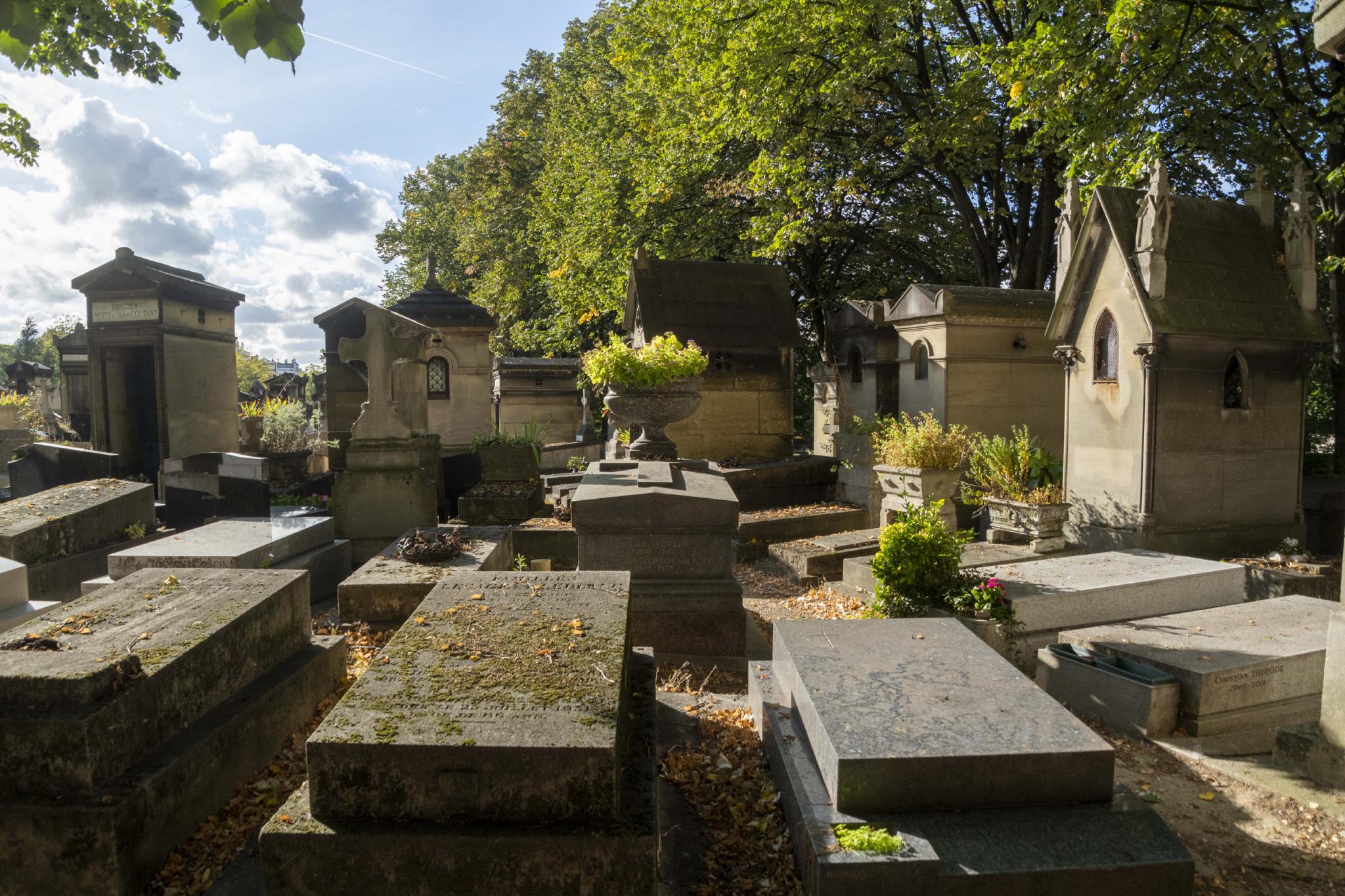
Père Lachaise isn't gloomy.
It's peaceful.
Tree-lined avenues wind between elaborate tombs, sculptures and chapels, making it feel more like a sculpture park than a graveyard.
Many famous figures are buried here, including:
• Oscar Wilde
• Jim Morrison
• Édith Piaf
• Frédéric Chopin
You don't need to recognise every name to enjoy the atmosphere. It's one of the quietest places in Paris.
Old Moaner's tip, download a cemetery map before you arrive.
Otherwise you'll spend half your visit wondering whether you've just walked past someone famous without realising it.
Paris's Street Markets
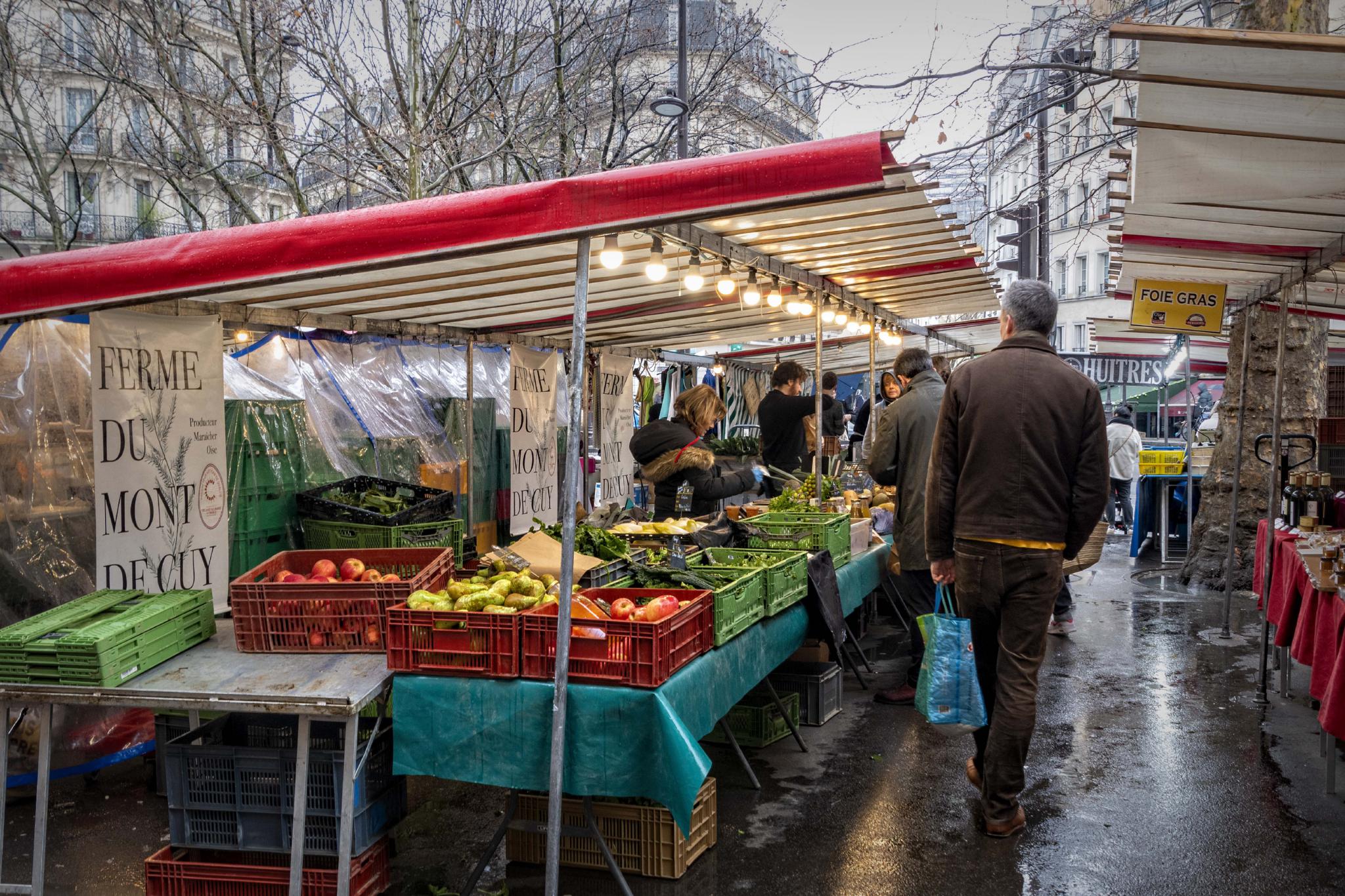 One of the easiest ways to experience everyday Paris is by visiting a market.
You'll find stalls selling:
• Fresh cheese
• Fruit and vegetables
• Flowers
• Seafood
• Bread
• Vintage clothes
• Antiques
Even if you buy nothing, they're wonderfully atmospheric.
Listen carefully and you'll hear traders chatting with regular customers who've been visiting the same stalls for years.
That's the real Paris.
A Final Walk
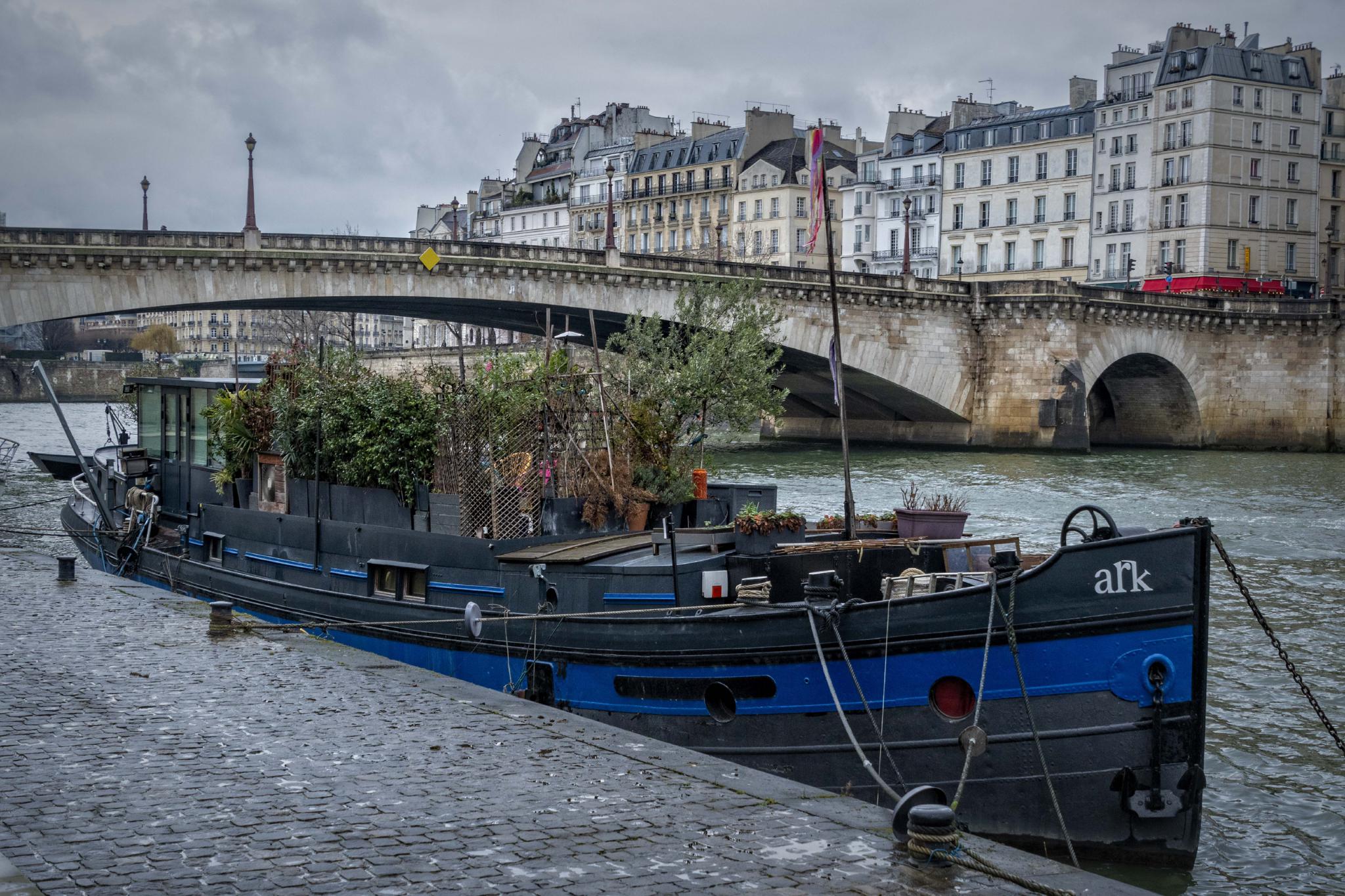 Walk along the Seine. Cross whichever bridge looks interesting. Turn down whichever street catches your eye. Buy an ice cream.
Sit on a bench. Watch boats glide beneath the bridges.
You'll probably discover something that isn't in this guide - that's the beauty of Paris.
The Old Moaner's Top Ten Tips for Paris
1. Say "Bonjour" before anything else. It costs nothing and makes a big difference.
2. Book the Eiffel Tower and Louvre well in advance. Your future self will thank you.
3. Walk more than you planned. Some of the city's best moments happen between attractions.
4. Avoid restaurants right next to famous landmarks unless you're paying for the view rather than the food.
5. Carry a reusable water bottle. Paris has plenty of public drinking fountains.
6. Keep your valuables secure on busy Metro trains and around major tourist sites.
7. Visit one attraction each morning, then slow down. Paris rewards unhurried travellers.
8. Don't be afraid to venture into quieter neighbourhoods. That's where you'll find the city's personality.
9. Leave room in your suitcase. You'll almost certainly come home with cheese, chocolate, books or all three.
10. Accept that you won't see everything. That's not a failure—it's the perfect excuse to come back.
Paris isn't perfect.
It has queues. It has crowds. It has cafés where you'll pay more for the location than the coffee, and there will almost certainly be a Metro line closed just when you need it most.
But here's the thing.
None of that matters.
Because every so often you'll turn a corner and find yourself looking down a quiet cobbled street lined with flower boxes. You'll hear church bells echoing across the rooftops, catch the smell of fresh bread drifting from a bakery, or watch the Eiffel Tower begin to sparkle against the evening sky.
Those are the moments you'll remember.
Not the ticket prices.
Not the queues.
Not even the photographs.
Just the feeling that, for a little while, you were part of one of the world's truly great cities.
And that's why Paris has a habit of calling people back.
Return to France Home Page