
Czechia - Prague
Prices quoted correct as of July 2026, conversion rates are approximate, intended as a guide only
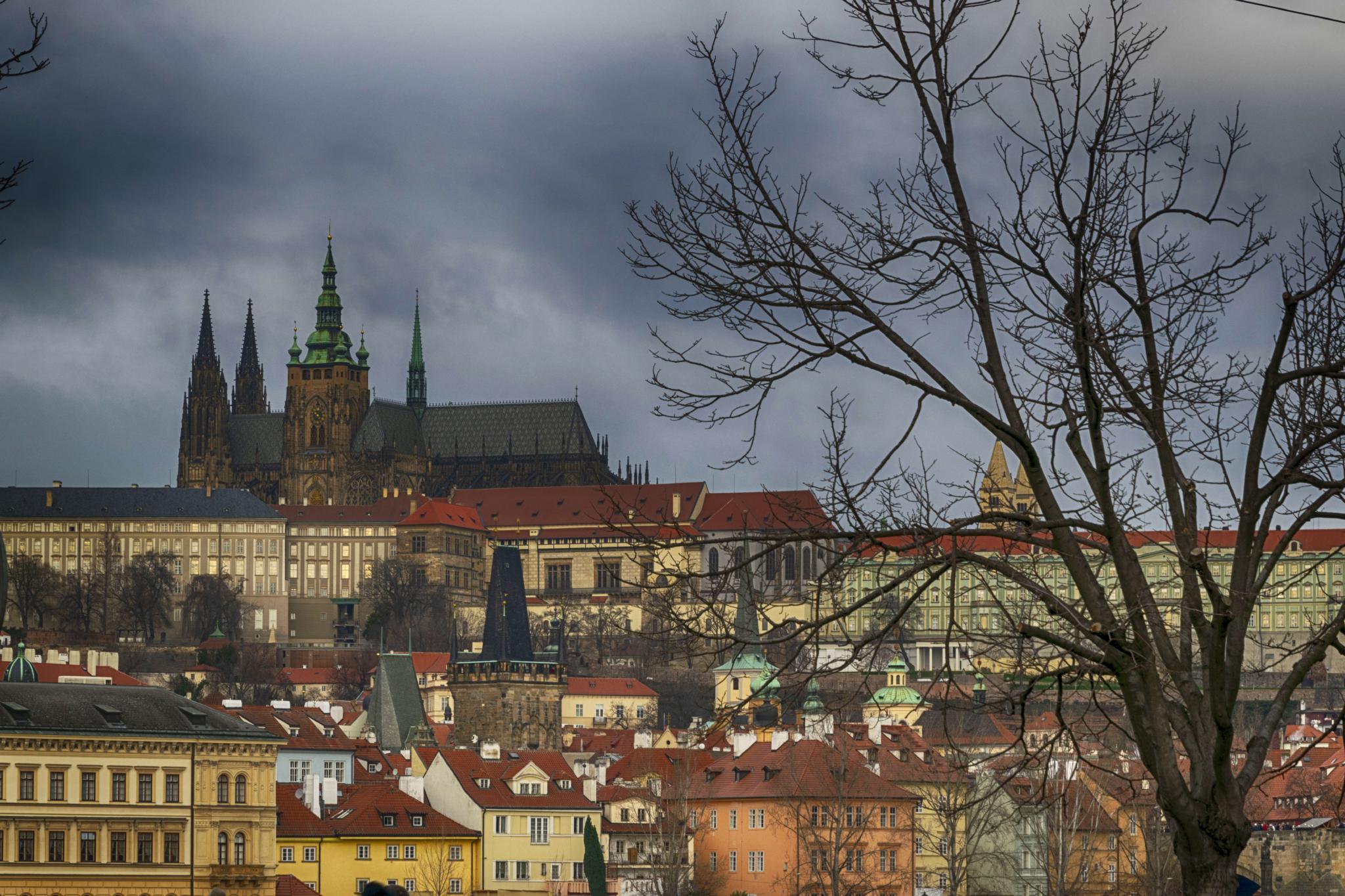 Prague is one of the most popular cities in Europe for a short break, which is a double-edged sword.
The plus side being many low-cost airlines fly to the city, the down side being it can get very busy and crowded, not helped by the fact it is relatively cheap when compared with other European capital cities.
It's also a popular destination for stag and hen trips, which may or may not put you off. If it's an issue I would suggest a midweek break, when it would be relatively quieter.
Most visitors arrive by air, with Václav Havel airport situated 9 miles (15km) outside the city. There is no rail link to the airport, which is a pain. A taxi to the city centre would cost around 970 Kč (£34.25) to 1200 Kč (£42.50). A cheaper option is the Terravision Bus which charges 105 Kč (£3.75) one way for the 30-45 minute journey.
Personally, I prefer to book a private transfer, where your driver will meet your flight and take you directly to your hotel for a similar price to a taxi but much more reliable service.
Central Prague is quaint, with plentiful spires and squares. The Old and New towns are the most popular areas. Don't be fooled by the name "New Town" some of New Town dates from the 13th Century, which tells you how old the Old Town is.
Across the river from the Old Town, via Charles Bridge, is Prague Castle, an area with far more than just a castle.
These areas are compact and can easily be explored on foot.
Old Town
Prague’s Old Town (Staré Město) is the historic heart of the Czech capital, dating back to the 10th century. Centred around a cobblestone square, it is famous for the medieval Astronomical Clock, the Gothic Church of Our Lady before Týn, and winding streets filled with centuries of architecture,
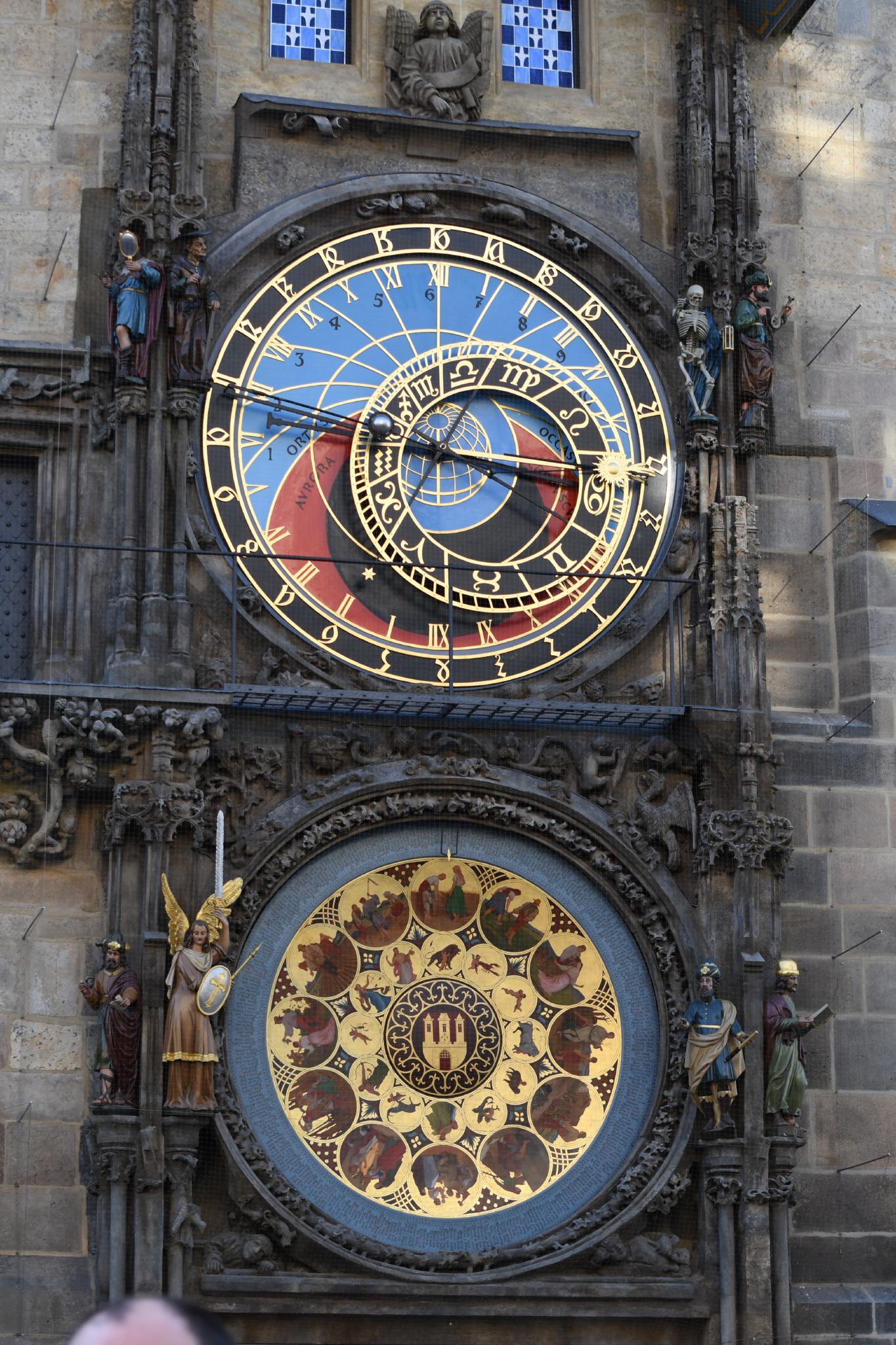 Most popular for tourists is the Old Town Hall & Astronomical Clock, where you can watch the hourly mechanical procession of the 12 Apostles. Large crowds gather to watch the hourly show. You can buy tickets to climb the Town Hall Tower or explore the underground chambers.
Admission to the Tower is 350 Kč (£12.40) for adults and 230 Kč (£8.25) for seniors and children. For 100 Kč (£3.50) you can take a lift instead of the stairs (children no extra charge). There is an early bird discount of 50% if you arrive in the first hour after opening. It is popular and if you want to avoid queuing you pan pay 450 Kč (£16.00) to skip the queue.
Old Town Square (Staroměstské náměstí) is surrounded by Gothic, Baroque, and Renaissance buildings, this bustling hub is the site of seasonal events like the renowned Christmas and Easter markets. It's also lined with cafés and restaurants.
There are plenty of side streets in the area with (cheaper) restaurants and plenty of independent shops and absinthe bars.
Located in the northwest of Old Town, is the Jewish quarter, this area contains the Old-New Synagogue (Europe's oldest) and the Old Jewish Cemetery.
The Rudolfinum concert hall hosts classical music, while the Estates Theatre stages ballet and opera.
Student nightlife is centred around the vast 5-story Karlovy Lázně dance club
New Town
Despite its name, Prague's New Town (Nové Město) was founded by King Charles IV in 1348.
It is the city's commercial and cultural hub, seamlessly blending sprawling medieval streets with modern nightlife, major museums, and grand boulevards.
New Town centres on Wenceslas Square (named after the Good King), ringed by hotels, cafes and chain stores.
The art nouveau Municipal House classical concert venue sits opposite the upscale Palladium mall on Republic Square.
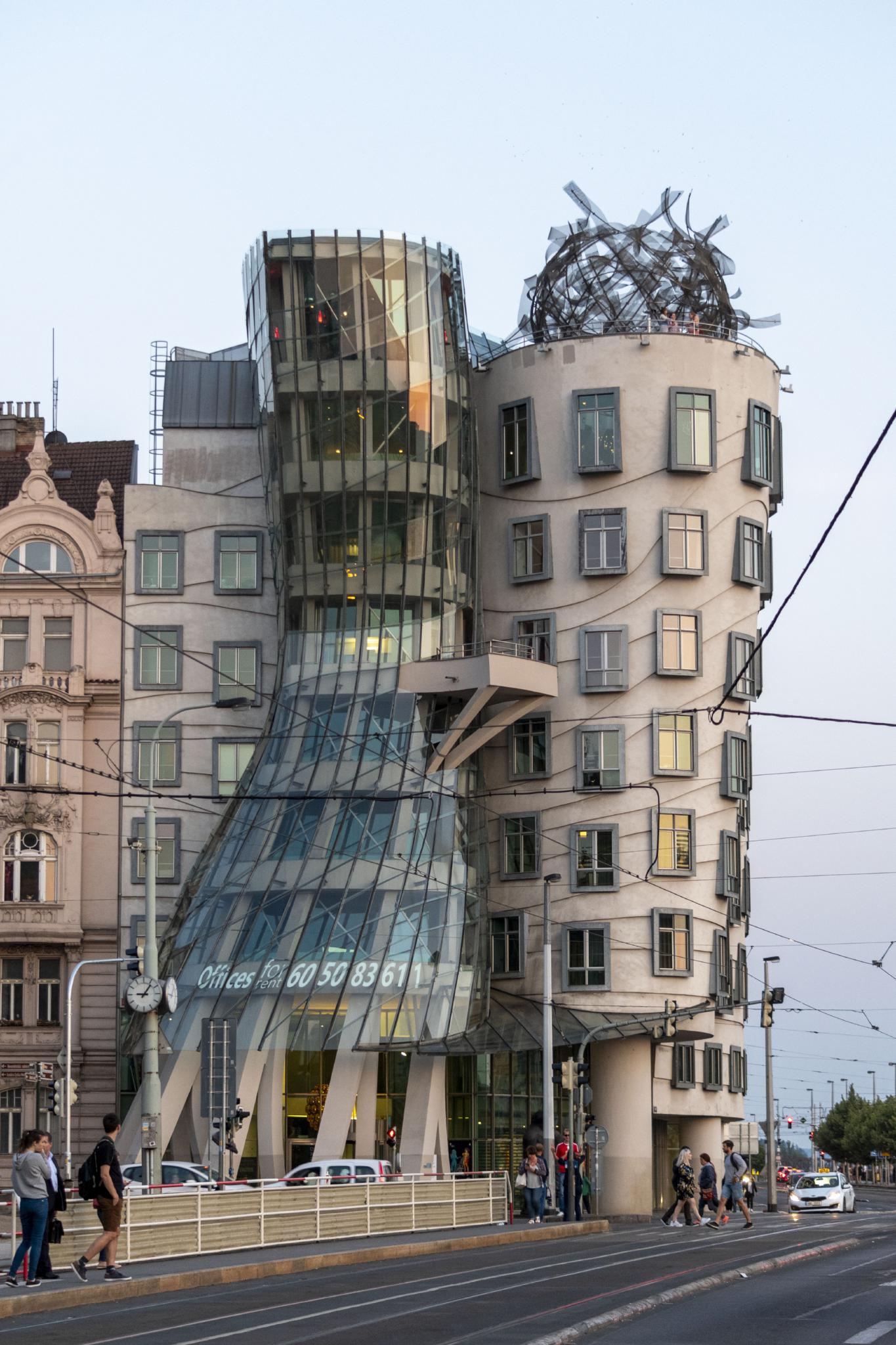
Bars dot the Náplavka riverbank, near the curved, Frank Gehry-designed Dancing House building.
Also overlooking the river, the grand National Theatre hosts plays, opera and ballet.
New Town lies to the east and south of the Old Town. It is easily walkable, but the easiest way to navigate if you're tired is to hop on the extensive tram network. For example, a line 18 tram from the New Town to the Old Town Hall takes about 14 minutes and costs around 30-40 Kč (£1.00 - £1.50).
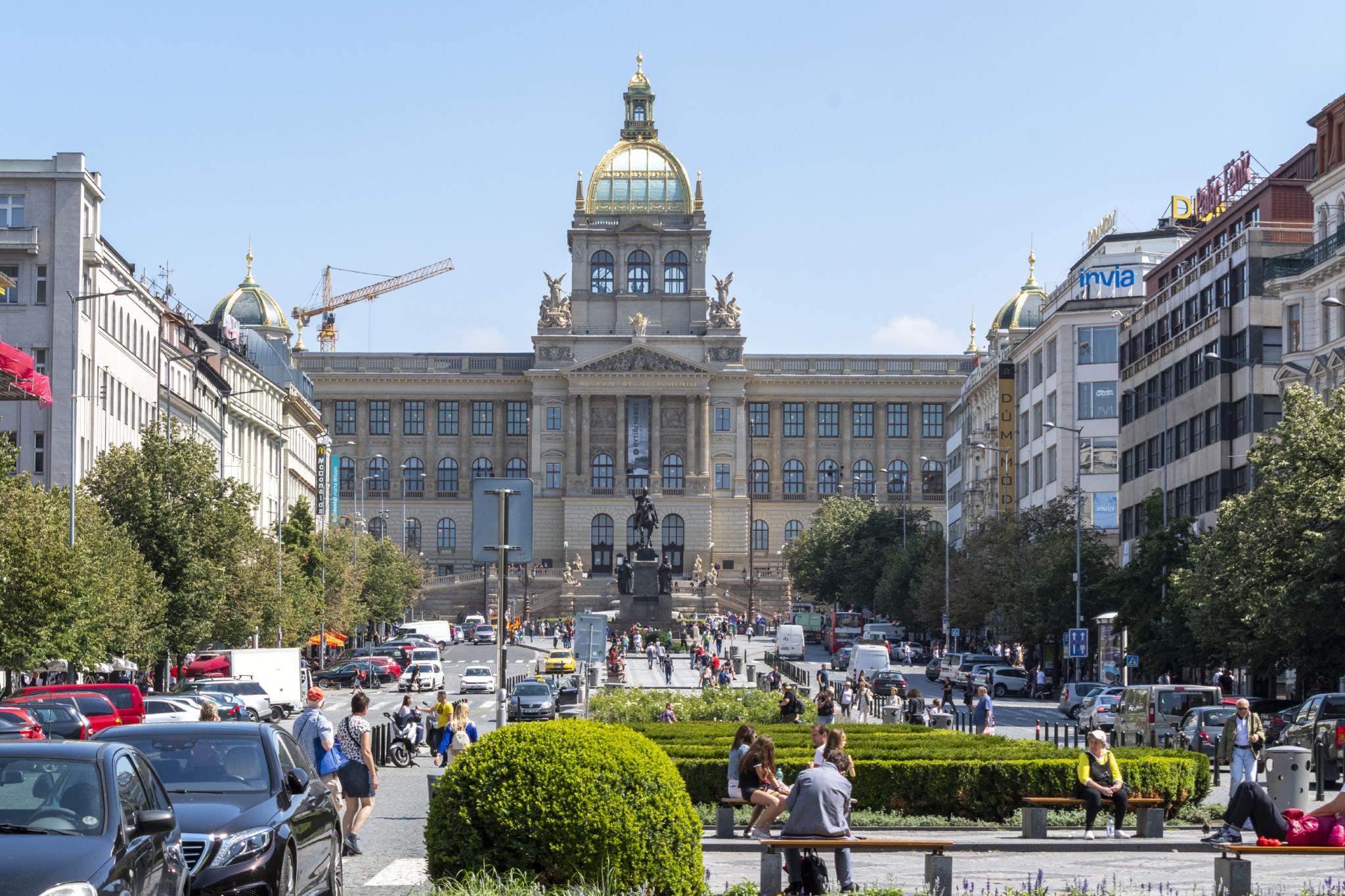 Wenceslas Square s more a rectangle than a square but that's just being pedantic. The square is of importance to the Czech people as it was the centre of the failed revolution against Soviet rule in 1967 and more recently the centre of the 1989 Velvet Revolution which successfully saw the end of communist control of the country. In 1992 the country saw the Velvet Divorce when Czechoslovakia, peacefully, split into the Czech Republic (now Czechia) and Slovakia.
 The square is where you will find high end stores lining the two long edges. At the top end is a statue of Wenceslas on his horse, in front of the National Museum. There is a busy road running alongside the square but the centre is delightfully pedestrian friendly.
 The National Museum will be the place to visit if you want to learn more about Czech history and culture. Adult admission is 360 Kč (£12.75) with seniors, juveniles (15 - 18) and students 260 Kč (£9.25)
The Dancing House, also known as Ginger and Fred, is a modern attraction in the city. Personally I love it but it has proved very controversial with many critics saying it is out of place in a city with so much historic architecture.
The Dancing House is located close to the river, where there's a pleasant park, with cafe's, a good place to chill and people watch.
Charles Bridge and Prague Castle
Charles Bridge links the Old Town and Prague Castle, it's a beautiful but very busy bridge crossing the Vitava River.
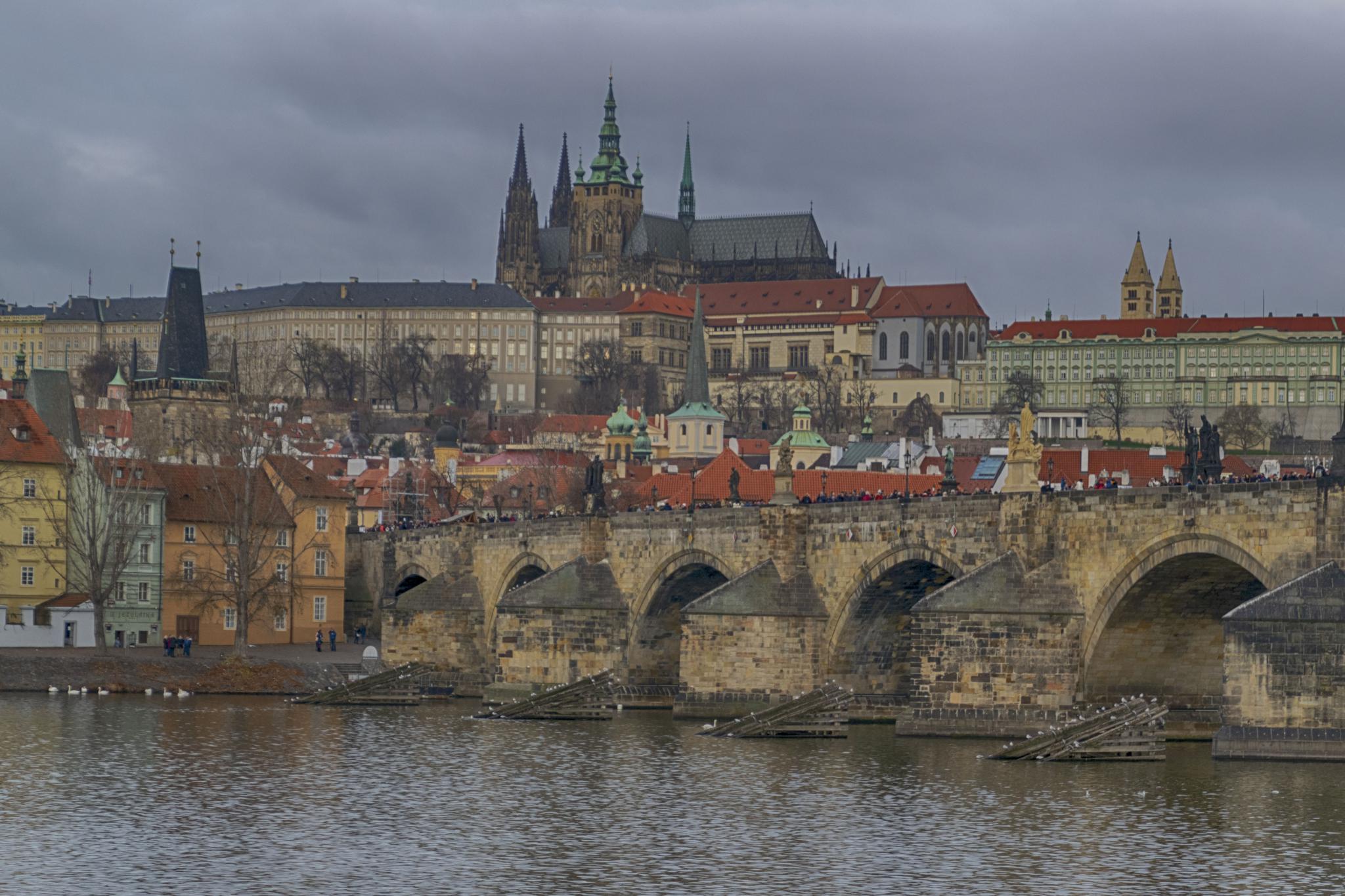 A medaeval bridge whose construction began in 1357 and was eventually completed in 1402. It is guarded by thirty statues and sculptures of saints. The current statues are modern replicas, dating from the mid 1960's, the bridge becam pedestrianised at the same time.
Illuminated at night, it becomes even more spectacular and it's probably the most photographed location in Prague.
If you want the chance to explore the bridge in peace go there early morning whilst most tourists are still in bed, any later and you will be jostling the crowds.The bridge attracts many hawkers and sellers but they don't hassle you too much.
There are towers either end of the bridge, although these are later additions, one built in the 1400's the other in the 1500's and until 1841 it was the only river crossing in Prague.
Prague Castle is far more than just a castle, it's officially the worlds largest castle complex. It's like a town in its own right with the castle, a cathedral, another church, the old Royal Palace. A popular attraction Golden Lane, a picturesque, cobblestone street of tiny, historic homes originally built for the castle's marksmen and goldsmiths, now housing many craft shops.
You can walk around the complex freely but to enter the buildings you need to purchase a ticket, well worth the money in my opinion.
The grounds are open 06:00 - 22:00 daily, with the buildings open 09:00 - 16:00 November to March and 09:00 - 17:00 April to October
Ticket prices adult 450 Kč (£16.00) and reductions 300 Kč (£1.50). The tickets are valid for two days and gives one admission to each of the buildings.
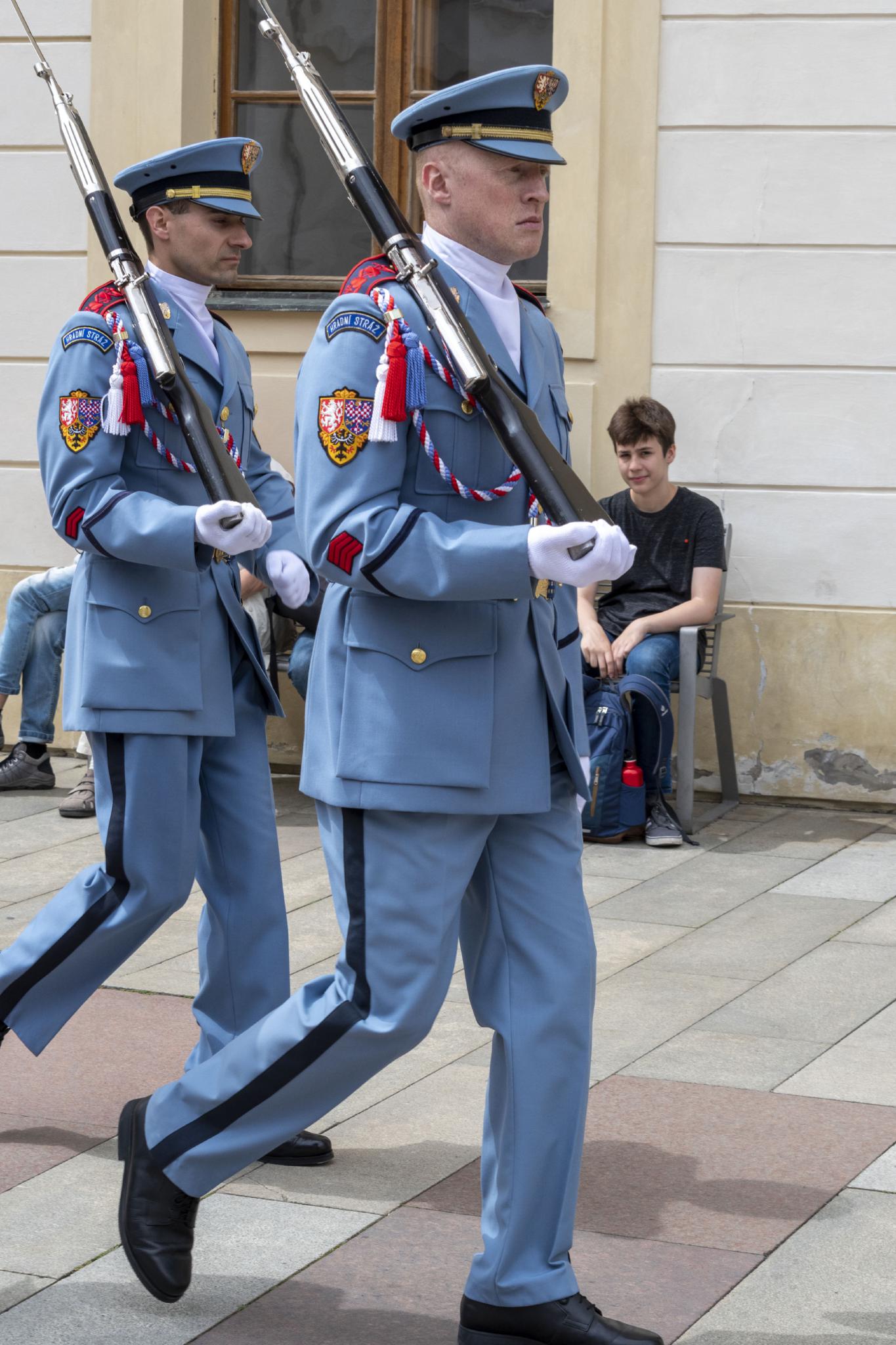 Changing of the guard, every hour from 09:00 to 18:00 at the Titans Gate (Hradčanské náměstí) and at the Powder Bridge Gate. There is a ceremonial changing of the guard with fanfare and changing of the standard in Courtyard I every day at noon.
St. Vitus Cathedral is the largest and the most important church in Prague. Coronations of Czech kings and queens took place here. The cathedral is a place of burial of several patron saints, sovereigns, noblemen and archbishops. The cathedral has some stunning stained glass windows.
Construction began 1n 1344, with work being suspended in 1419 due to the Hussite Wars. It wasn't until the mid-19th century that work recommenced with the Cathedral finally being consecrated in 1929.
A wooden building existed on the site of the Old Royal Palace in the 9th century and over the following centuries it expanded vastly until the building we see now was completed in the mid 20th century.
The highlight is the 16th century Vladislav Hall which has been used for royal and state purposes. It was the scene of coronation festivities and banquets, knights' tournaments and markets with artistic and luxurious goods. The Vladislav Hall still partly fulfils the state function: the elections of the president of the Czech Republic used to take place there and ceremonial gatherings connected with important days in the life of this country are held there still.
St. George's Basilica is the oldest surviving church building within Prague Castle, Prague, Czech Republic. The basilica was founded by Vratislaus I of Bohemia in 920. It is dedicated to Saint George.
One of Prague Castle’s most iconic sites, Golden Lane was created at the end of the 15th century. This picturesque alley, with its small, colourful houses, is steeped in legends and myths that have also attracted numerous writers and artists, including the renowned Franz Kafka, who once resided here.
Because it is narrow it get's very crowded but if you're looking for a souvenier that's not the usual tourist tat, this could be the place to go, although it probably won't be cheap.
Best Of The Rest
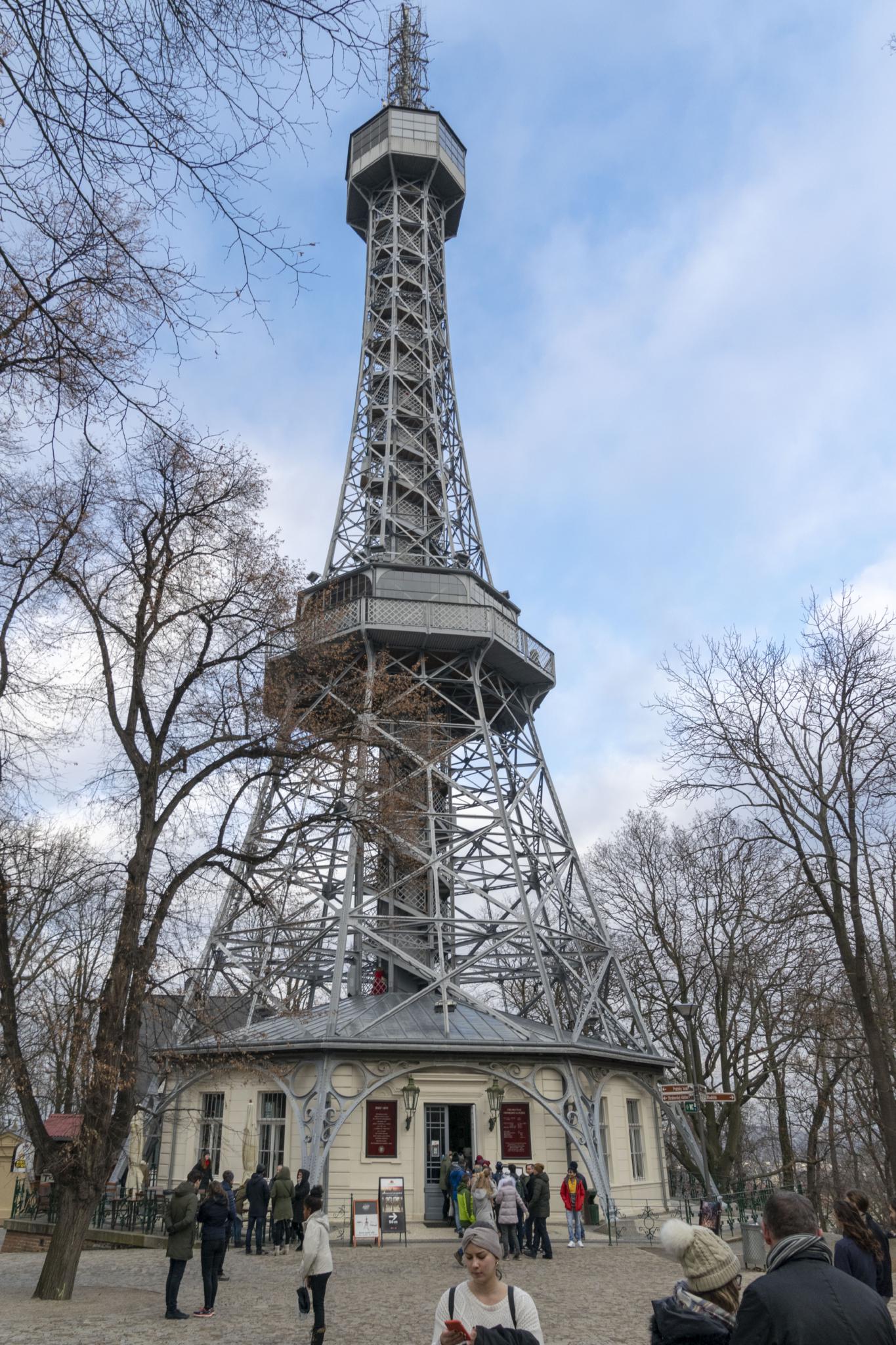 Petřín Tower, one of the most prominent landmarks of Prague, was built as part of the Jubilee Exhibition in 1891 as a loose copy inspired by the Eiffel Tower. It is 58.70 metres high, and 299 steps lead to its peak, which is at the same altitude as the real Eiffel Tower. The view from its top overlooks not only the whole city, but on a clear day you can see nearly all of Bohemia.
Local legend says it was originally meant to be a replica of the original, but they ran out of money.
Opening times are 09:00 or 10:00 depending on the time of year, with closing at 18:00 or 19:00. Admission is 250 Kč (£8.80) for adults and 170 Kč (£6.00) for children and seniors. If you want to take the lift to the top it will be an extra 150 Kč (£5.25) for adults and children and 50 Kč (£1.75) for seniors.
The views are stunning and highly recommended. Once you have visited the tower take a stroll around the rose garden at the base.
Like most cities with rivers mini cruises are available. Prague river cruises offer spectacular, uninterrupted views of the Charles Bridge and Prague Castle from the Vltava. Standard 1-hour sightseeing tours depart from Dvořákovo nábřeží (Čech Bridge) starting around 270 Kč (£9.50), while 3-hour dinner and jazz cruises cost roughly 1,350 Kč to 1,900 Kč (£48.00 – £67.25)
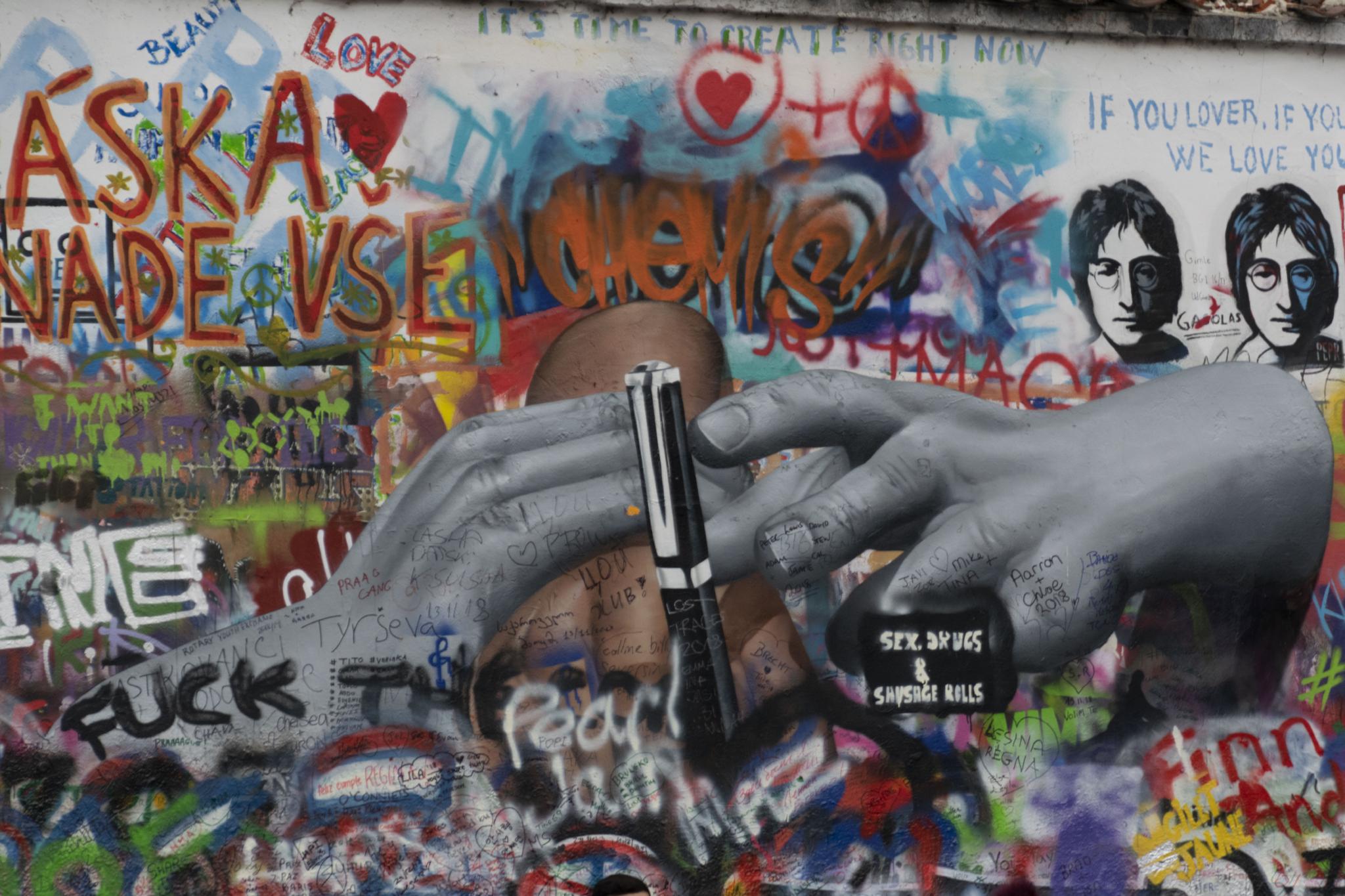 Malá Strana (Lesser Town) is located just below Prague Castle, this historic area features fewer crowds and more hidden charm. Wander the cobblestone streets, find tranquillity in the Vrtba Garden, and see the iconic Lennon Wall near the French embassy.
Vyšehrad is located on a rocky outcrop above the Vltava River, this historical fort and UNESCO-listed site is far less crowded than Prague Castle. Explore the stunning neo-Gothic Basilica of St. Peter and St. Paul and walk the lush, quiet fortification walls that offer sweeping river views.
Vinohrady & Žižkov are trendy, neighbouring areas, celebrated for their architecture and expansive parks. Relax at the Riegrovy Sady beer garden to enjoy panoramic sunset views of the city skyline, then visit Žižkov to view the controversial, brutalist Žižkov Television Tower featuring its famous crawling baby sculptures.
Return to Europe Home Page