
Catalonia
Catalonia is one of Spain’s most distinctive regions, combining Mediterranean beaches, dramatic mountains, ancient history and some superb cities and resorts.
Barcelona is the undoubted star, with Gaudí’s extraordinary architecture, Las Ramblas and its lively streets.
Nearby Montserrat provides spectacular mountain scenery and its famous monastery, while Sitges offers attractive beaches and a relaxed, cosmopolitan atmosphere.
Tarragona brings history to the fore with its magnificent Roman remains and ancient amphitheatre.
Beyond these highlights are medieval villages, beautiful countryside, excellent food and a strong regional identity. Catalonia can be busy and expensive, but explore beyond the obvious tourist spots and there are plenty of rewards.
Barcelona
Barcelona is one of those cities that seems determined to impress you, and to be fair, it generally succeeds. It is big, busy, colourful and occasionally downright bonkers, but there is an enormous amount to see. It is also a city where you really need to keep your wits about you, particularly around the main tourist attractions, as pickpockets have made something of an industry out of relieving visitors of their valuables.
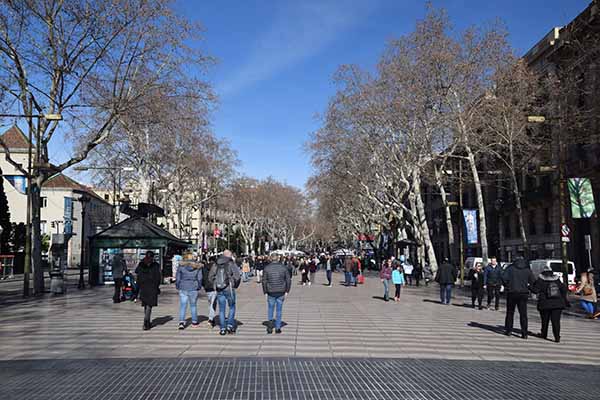 The obvious starting point is Las Ramblas, the famous tree-lined boulevard running from Plaça de Catalunya down towards the harbour. It is one of Barcelona's great tourist thoroughfares, lined with cafés, shops, street performers, artists and an endless stream of people.
 It is certainly worth walking, although these days it is more of an experience than a relaxing stroll. The crowds can be enormous, and it is one of those places where your wallet and mobile phone should be treated as if they are made of gold.
Just off Las Ramblas is the magnificent Mercat de la Boqueria, or simply La Boqueria, and this is one attraction that really does deserve the hype.
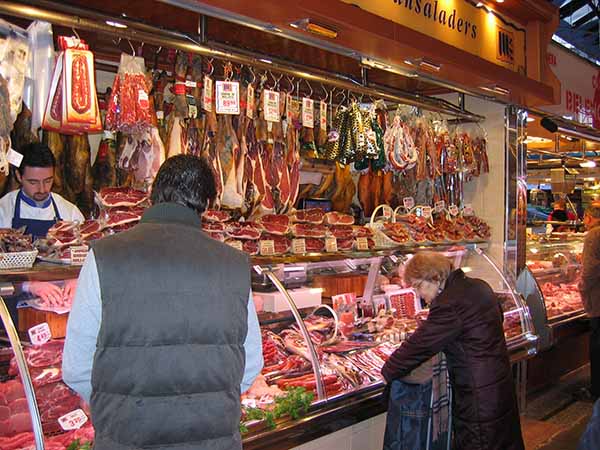 Barcelona's famous covered market is a riot of colour, noise and smells, with stalls piled high with fruit, vegetables, meat, fish, cheese, spices and an extraordinary selection of prepared food.
 There are also small bars and counters where you can stop for something to eat. Even if you have no intention of buying anything, wandering through the market is great fun. It is also one of the best places in the city to appreciate the Catalan passion for food.
Barcelona's greatest architectural claim to fame is, of course, Antoni Gaudí, whose extraordinary imagination has left an indelible mark on the city. The magnificent Sagrada Família is the obvious star. Construction began in 1882 and, more than a century later, the building has finally moved towards completion. Its towers dominate the Barcelona skyline and the interior is every bit as remarkable as the exterior. It is an extraordinary mixture of religion, architecture and what can only be described as Gaudí's wonderfully eccentric imagination.
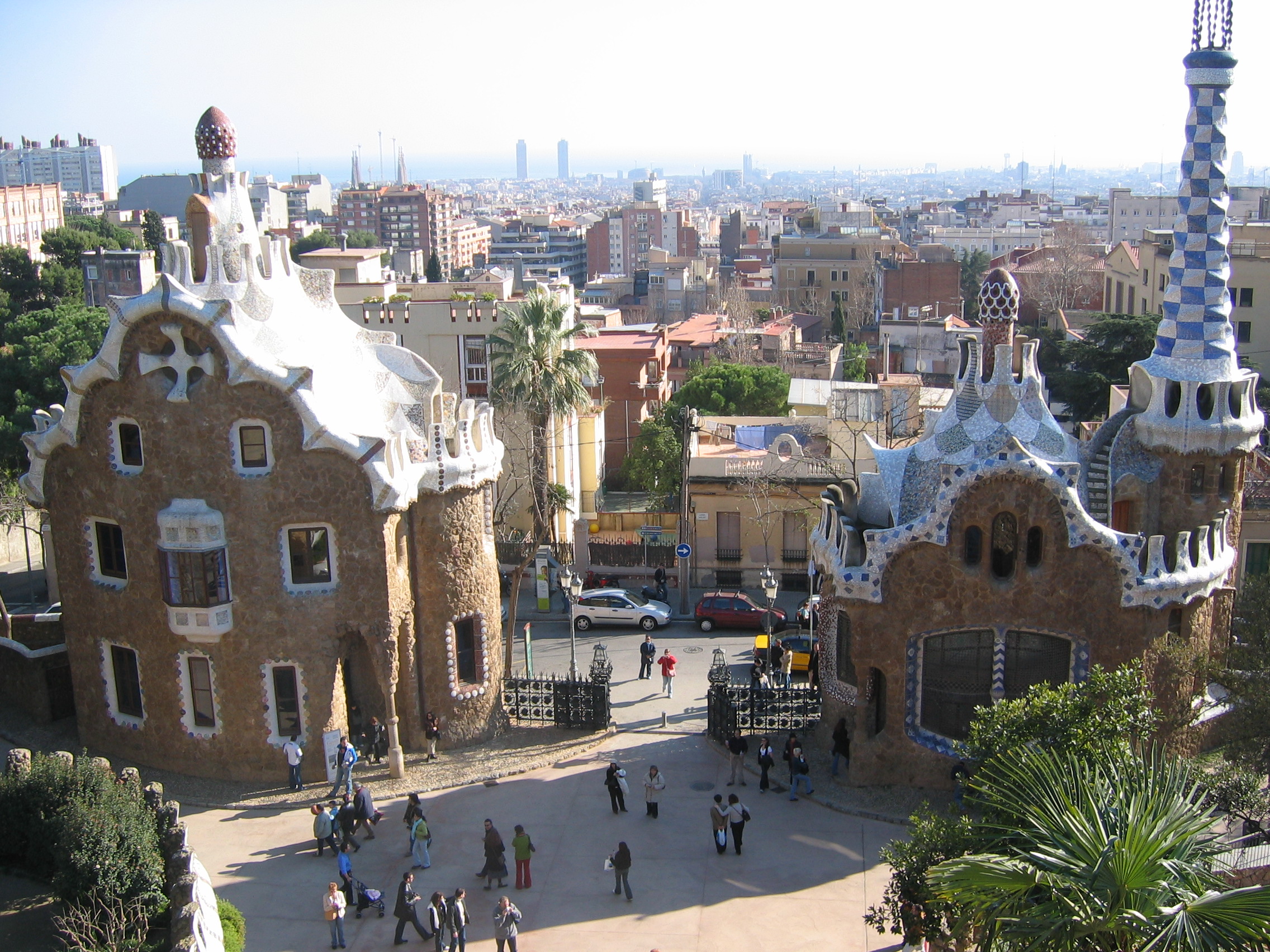 Then there is Park Güell, where Gaudí appears to have been given complete freedom to let his imagination run riot. Colourful ceramic tiles, strange shapes, twisting stonework and fantastical buildings combine to create somewhere that looks unlike almost anywhere else on earth. It also provides some excellent views across the city.
Gaudí's work is scattered elsewhere around Barcelona. Casa Batlló, with its flowing façade and almost skeletal appearance, is particularly striking, while La Pedrera, officially Casa Milà, is another extraordinary building. You don't have to be an architecture enthusiast to appreciate them; they are simply fascinating to look at.
Thankfully, Barcelona isn't all Gaudí. The Gothic Quarter provides a complete contrast, with narrow medieval streets, atmospheric squares and buildings that go back centuries. The magnificent Gothic Cathedral dominates the area, while wandering the surrounding lanes can reveal tiny shops, cafés and quiet corners only a few yards from the tourist crowds.
The old city also contains remnants of Barcelona's Roman past. Parts of the ancient Roman walls can still be seen, and beneath the modern city are archaeological remains of Barcino, the Roman settlement upon which Barcelona was built. It is a reminder that this is a city with considerably more history than its modern reputation might suggest.
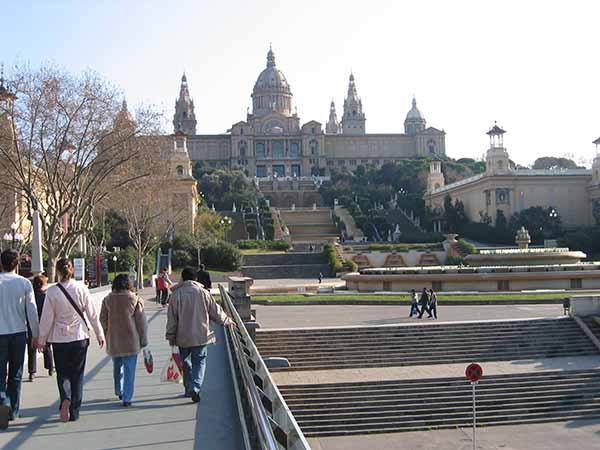 For a change of scenery, head towards Montjuïc, the large hill overlooking the city and harbour. There are gardens, museums, historic buildings and the remains of the 1992 Olympic Games. The views across Barcelona and the Mediterranean are excellent, particularly on a clear day. The Magic Fountain area is another popular attraction, although performances and opening arrangements have changed over the years, so don't necessarily arrive expecting the spectacular displays you may have seen in older photographs and brochures.
Down at sea level, the waterfront has been transformed enormously over recent decades. The old port area, Port Vell, is now a pleasant place to wander, with restaurants, shops and promenades overlooking the marina. Further along is Barceloneta, traditionally the city's old fishing district and now one of the liveliest areas for eating and enjoying the Mediterranean.
Barcelona also has a beach culture, although don't expect the finest beaches in Spain. The city beaches are convenient rather than spectacular, and during the summer they can become exceptionally crowded. If you're looking for beautiful Mediterranean beaches, there are considerably better places along the Catalan coast — which is where Sitges comes in.
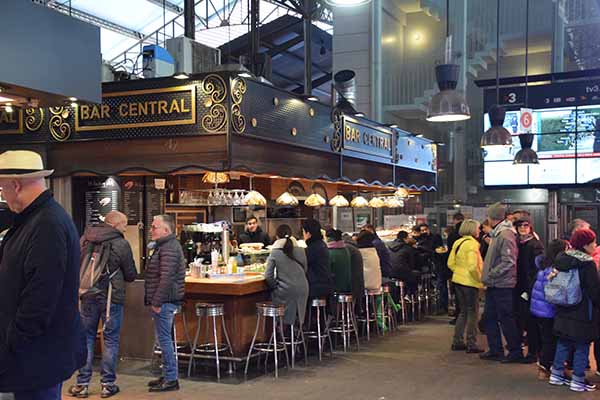 Food is another major attraction. Catalonia has an excellent culinary tradition, from simple tapas and seafood to more sophisticated modern cooking. There are markets everywhere, and the quality of ingredients is generally excellent. The problem, as in most major tourist cities, is knowing where to eat. Around Las Ramblas and the major attractions you will find plenty of restaurants that appear to exist primarily to extract money from tourists. Walk a few streets away and things can improve dramatically.
One of Barcelona's great pleasures is simply walking. Move away from the main tourist routes and you discover a city of attractive squares, grand boulevards, independent shops, cafés and residential neighbourhoods where normal Barcelona life continues largely unaffected by the tourist invasion. The Eixample, with its broad streets and distinctive blocks, is particularly interesting and contains many of the city's finest modernist buildings.
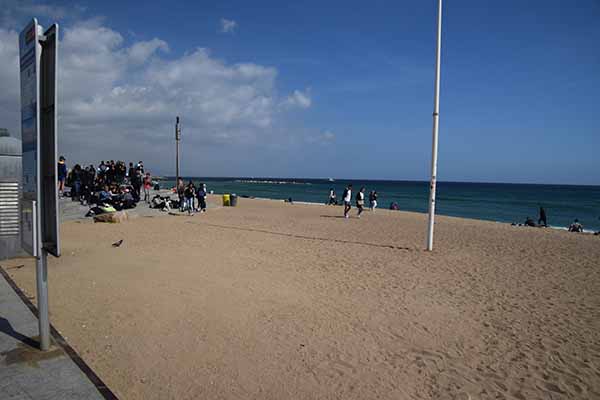 Barcelona does have its drawbacks. It can be extremely busy, particularly during the main holiday season, and the sheer number of visitors can make some attractions feel more like theme parks than historic landmarks. Prices in the tourist centre can also be eye-watering, while the pickpocket problem is a genuine nuisance. You need to be sensible rather than paranoid, but leaving your valuables unattended is asking for trouble.
Despite all that, Barcelona remains one of Europe's great city destinations. It has the architecture of Gaudí, the history of the Gothic Quarter, the food of La Boqueria, the Mediterranean on its doorstep and a fascinating mixture of old and new. It is not necessarily a city to fall in love with immediately — it can be noisy, crowded and exhausting — but give it time and there is an enormous amount to discover.
Sitges
 Just down the coast from Barcelona is Sitges, a very different proposition. Once a small fishing village, it has developed into one of the most fashionable resorts on the Catalan coast without completely losing its old-world charm.
The old town sits around the church of Sant Bartomeu and Santa Tecla, perched dramatically beside the sea. Narrow streets, whitewashed buildings, small squares and a long waterfront make it an enjoyable place simply to wander around.
Then there are the beaches. Sitges has plenty of them, ranging from busy urban stretches to smaller coves, and the resort has developed a reputation for being lively, tolerant and cosmopolitan. It is particularly well known for its LGBTQ+ scene, but you don't need to be part of it to enjoy the atmosphere.
Sitges also hosts a famous international film festival and several major festivals and celebrations throughout the year. In summer it can become extremely busy, but outside the peak season it is a much more relaxed proposition.
In many ways Sitges is what a seaside resort ought to be: attractive, lively and sophisticated without completely surrendering itself to mass tourism.
Montserrat
I
 f Barcelona is busy, Montserrat is almost the complete opposite. About an hour from the city, the extraordinary serrated mountain range rises dramatically from the surrounding countryside. It is an impressive sight even before you discover what is sitting halfway up the mountain.
That would be the Benedictine monastery of Santa Maria de Montserrat, one of Catalonia's most important religious sites and home to the famous Black Madonna, or La Moreneta. Pilgrims have been coming here for centuries, but you certainly don't have to be religious to appreciate the location.
The mountain scenery is magnificent, with enormous rock formations creating a landscape that looks almost other-worldly. The journey up by rack railway or cable car is an experience in itself, and once at the top there are walking trails offering spectacular views across Catalonia.
Montserrat is one of those excursions where the journey is almost as enjoyable as the destination. It provides a welcome breath of fresh air after the bustle of Barcelona and is well worth putting on the itinerary.
Tarragona
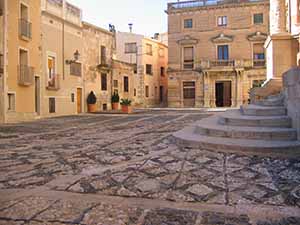 Travel further south and you reach Tarragona, and here the emphasis changes from beaches and nightlife to seriously impressive Roman history.
The Romans knew the place as Tarraco, and it became one of the most important cities in Roman Hispania. Evidence of that importance remains everywhere, including the remarkably preserved Roman amphitheatre, overlooking the Mediterranean. You can stand inside the ruins and easily imagine the crowds watching gladiatorial contests nearly two thousand years ago.
There is also the impressive Roman circus, city walls and the remains of the ancient forum. The archaeological ensemble is extensive enough to keep anyone interested in Roman history occupied for hours.
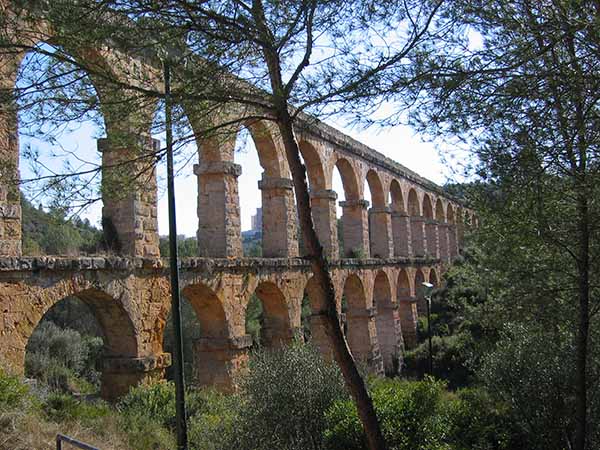 Above the Roman remains stands Tarragona's magnificent cathedral, built over earlier religious sites and combining Romanesque and Gothic architecture. The surrounding old town is a maze of narrow streets, small squares and historic buildings.
Tarragona also has a pleasant modern side, with a waterfront, marina, restaurants and beaches. It is therefore possible to spend the morning contemplating the Roman Empire and the afternoon sitting beside the Mediterranean with a cold drink — which seems to me a pretty good way of combining culture and holiday.
Taken together, Barcelona, Montserrat, Sitges and Tarragona demonstrate just how varied Catalonia can be. Barcelona provides the architecture and big-city experience, Montserrat the mountains and spirituality, Sitges the beaches and resort atmosphere, while Tarragona supplies a magnificent dose of Roman history. Four very different experiences, all within relatively easy reach of one another.
Return to Spain Home Page