
Amsterdam
Prices quoted correct as of June 2026
Introduction
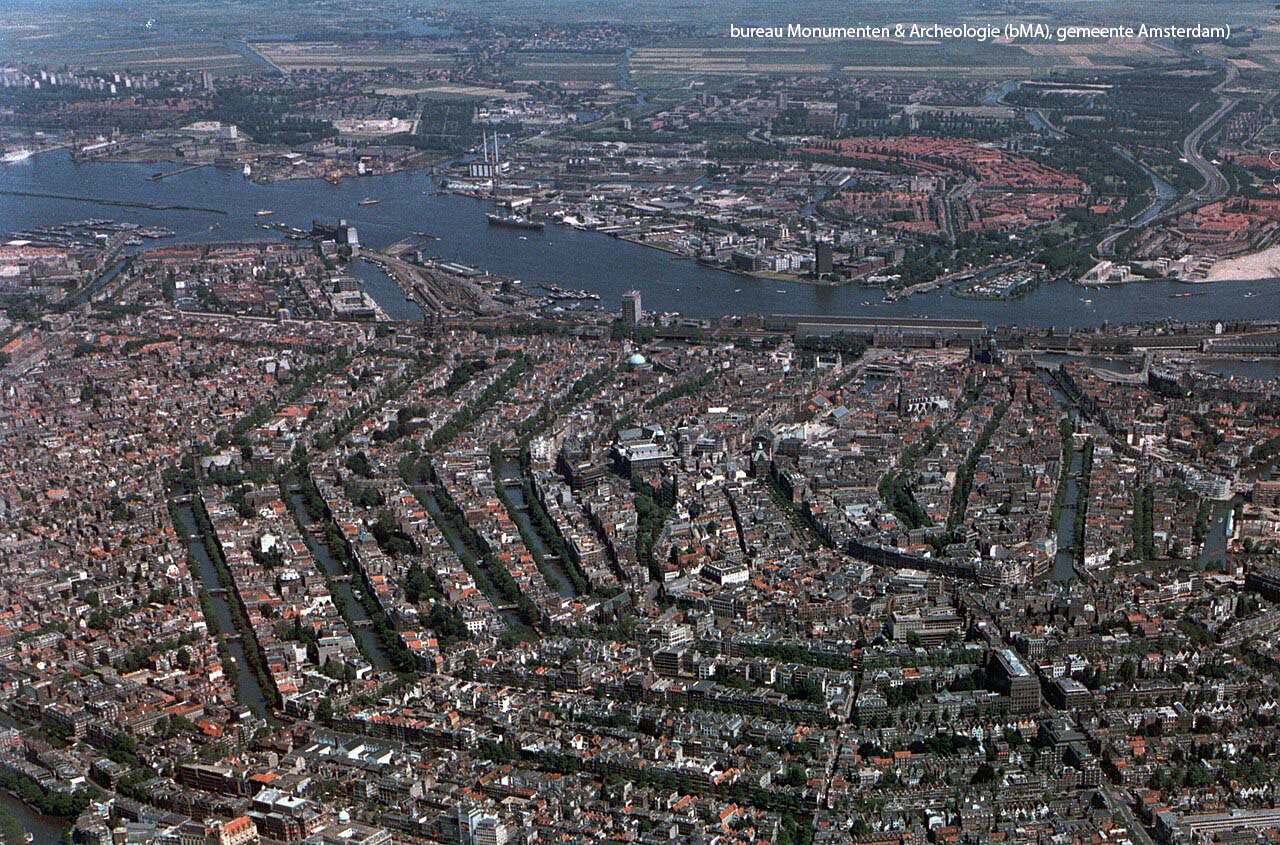 The Dutch capital has around 900,000 residents, over 100 kilometres of canals, roughly 1,500 bridges and, according to various estimates, somewhere in the region of 800,000 bicycles. It sometimes feels as though every single one of them is being ridden directly towards you.
If Paris is elegant, London is energetic, Amsterdam is comfortably eccentric. You might walk past a seventeenth-century church, then a cheese shop offering thirty different varieties of Gouda, then a floating flower market, then someone playing a violin on a bridge while three ducks argue underneath.
Amsterdam isn't a huge city and that's one of its biggest attractions.
You can comfortably walk between many of the major sights, and if your feet begin protesting, there's an excellent network of trams and the Metro to rescue you.
Unlike many European capitals, there isn't a constant feeling that you're rushing from one attraction to another. Much of Amsterdam's appeal comes simply from wandering.
Arriving
Most visitors arrive via Schiphol Airport, around 11 miles (17km) southwest of the city centre.
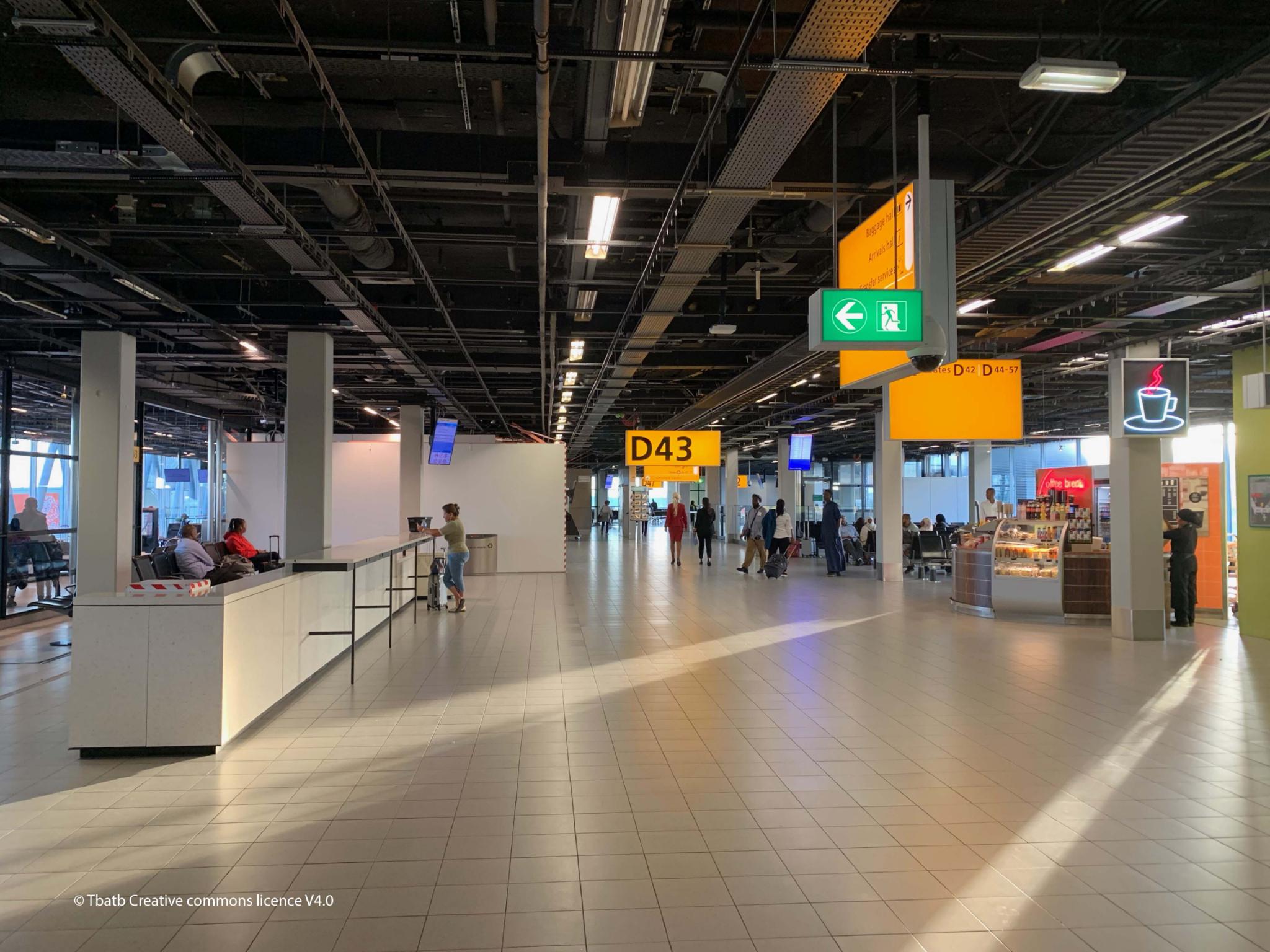 It's one of Europe's busiest airports, everything is clearly signposted in Dutch and English.
If you've arrived from the UK, passport control can sometimes take a while, especially during busy holiday periods, so don't panic if there's a queue. Once through, you'll find supermarkets, cafés, currency exchange (which you probably won't need), luggage lockers and plenty of places to grab a bite if you've arrived hungry.
One useful tip: if you fancy stocking up on snacks, bottled water or breakfast items for your hotel, the supermarket at the airport will usually be cheaper than buying them in the city centre.
Getting into Amsterdam from the airport is easy.
Just take the train, don't overthink it. The railway station is directly underneath the airport terminal, no shuttle buses, no long walks.
Simply follow the signs marked Trains. Services to Amsterdam Centraal run every few minutes throughout the day.
The journey takes around 15–20 minutes, it's quick, comfortable and relatively inexpensive. (€16 return)
For most visitors, it's the best option by a considerable margin.
Buying a train ticket is straightforward. You can use the ticket machines or simply tap in and out with a contactless bank card or mobile wallet if your card supports the system.
The Dutch have embraced contactless travel, and it makes life wonderfully simple.
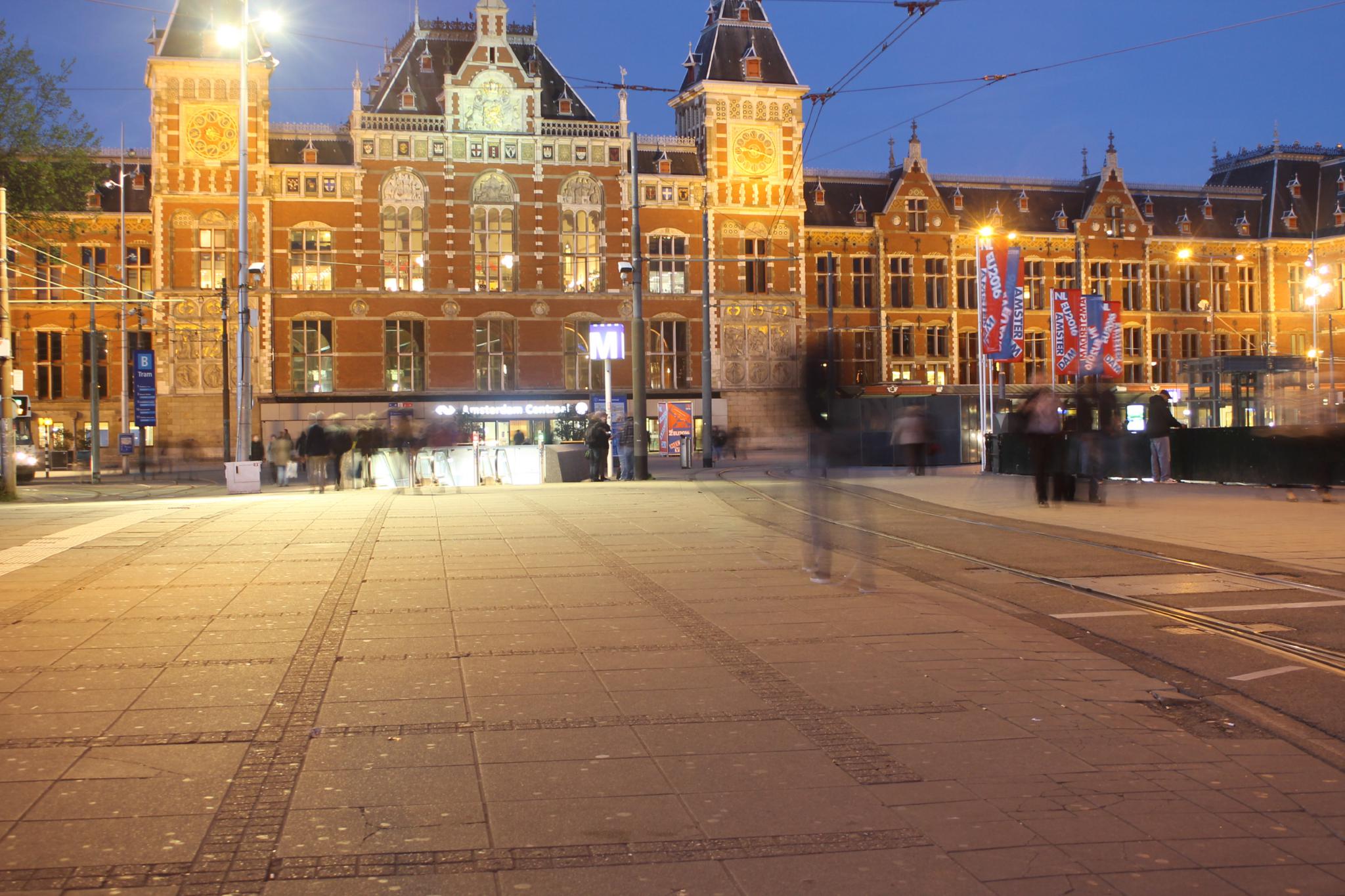 Amsterdam Centraal Station is an impressive building that looks more like a palace than a railway station. Step outside, and suddenly everything happens at once.
Trams glide past, cyclists appear from every direction, boats move along the canals, street musicians perform. Tourists stop every ten yards to take photographs.
Within five minutes of leaving the station you'll probably have narrowly avoided being run over by three bicycles, a tram, an electric delivery van and a tourist who's stopped dead in the middle of the pavement to photograph a pigeon.
Welcome to Amsterdam.
Checking Into Your Hotel
Dutch hotels are generally efficient rather than extravagant. Don't be surprised if your room is a little smaller than you expected, particularly in the historic centre. Those beautiful canal houses weren't built with king-size beds and enormous bathrooms in mind. Storage space can be limited. Lifts can be tiny, if at all, staircases can be astonishingly steep.
Some are so narrow that you'll wonder how the furniture ever got upstairs. (Answer: it usually didn't. It went through the windows using the hooks you noticed earlier.)
Staying beside a canal sounds wonderfully romantic and often it is.
Just bear in mind that older buildings sometimes have:
• steep stairs
• no lift
• quirky room layouts
• slightly creaky floors
That's part of their charm.
If accessibility is important, check carefully before booking.
Modern hotels a little farther from the historic centre may offer larger rooms, lifts and air conditioning for similar prices.
The Cyclists
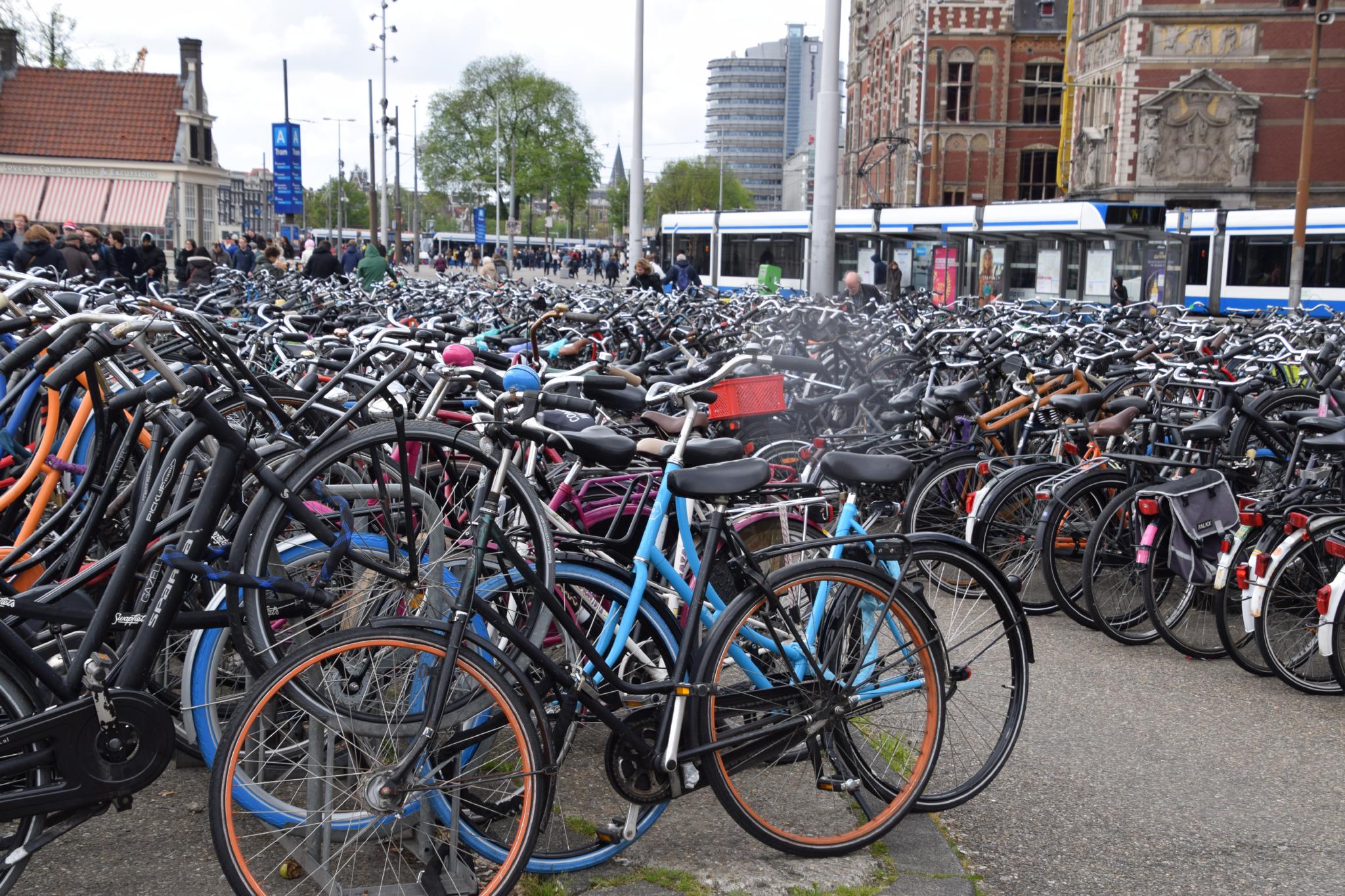 Just remember, cyclists rule. You've heard about them. you've seen the photographs, nothing prepares you.
The trouble is that visitors spend half their time admiring buildings and the other half looking at Google Maps, which means they unknowingly wander into cycle lanes.
Don't, the cycle lanes often look like ordinary pavements, they're not. Look for red tarmac, look for bicycle symbols. If you hear a bell behind you, move immediately, don't stop and look around trying to identify where the sound came from.
Just move, the cyclists will appreciate it, So will your travel insurance company.
Coffee Shops... and Coffee Shops
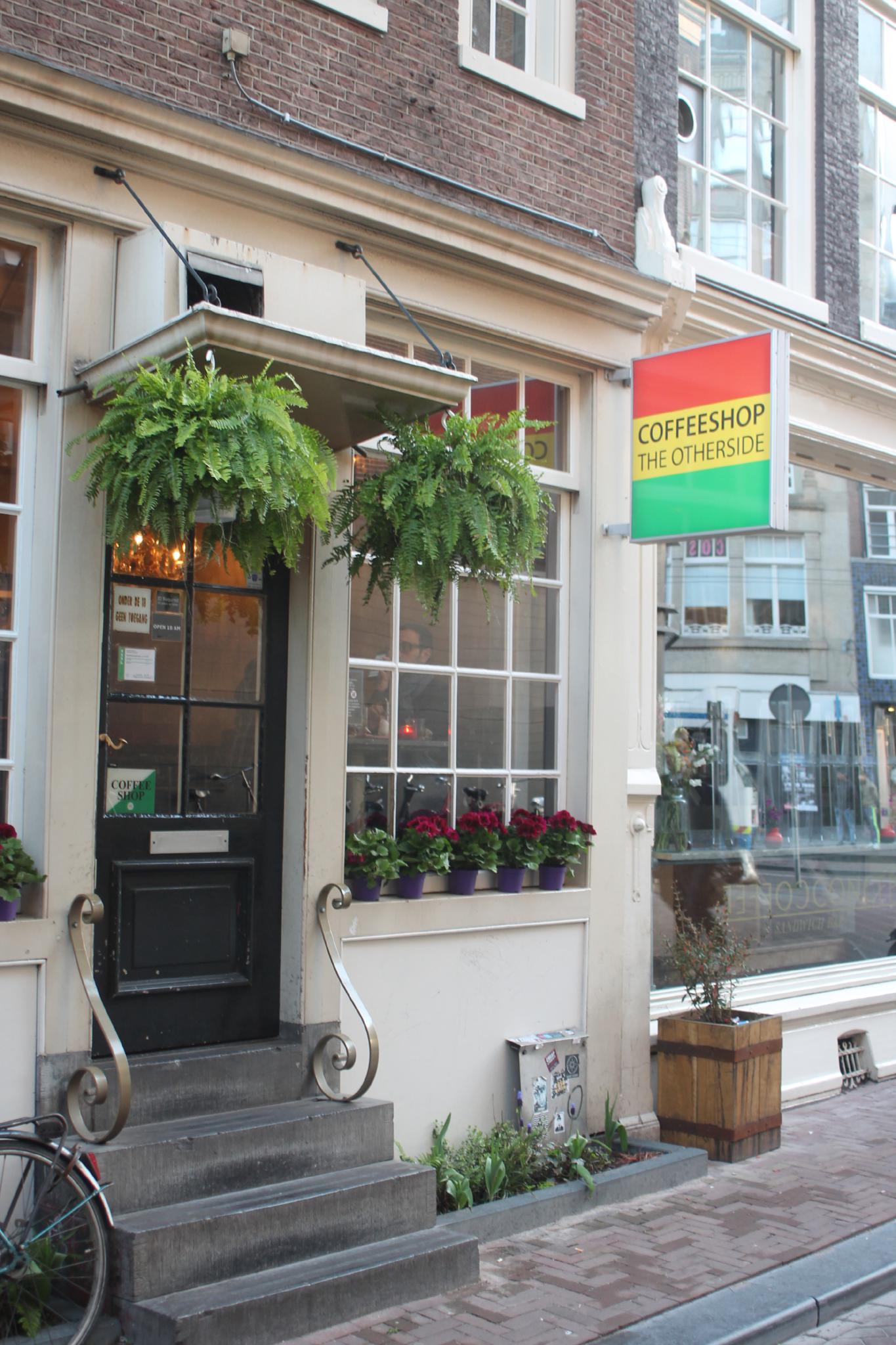 This catches many first-time visitors out. A café sells coffee, a coffee shop usually sells cannabis. They're two completely different things.
If all you wanted was a cappuccino and a slice of cake, check the sign before walking in. Similarly, don't assume every corner of Amsterdam revolves around cannabis.
It really doesn't. The famous coffee shops are largely concentrated around the city centre, and locals rarely visit them.
Tipping
This often worries visitors unnecessarily. The Dutch don't have the same tipping culture as America. Restaurants generally include service within their pricing.
That said...
If you've enjoyed the meal, rounding up the bill or leaving 5–10% is a nice gesture.
Nobody expects extravagant tips.
Taxi drivers appreciate rounding up.
Bar staff certainly won't object to keeping the small change.
Should You Buy an I Love Amsterdam City Card?
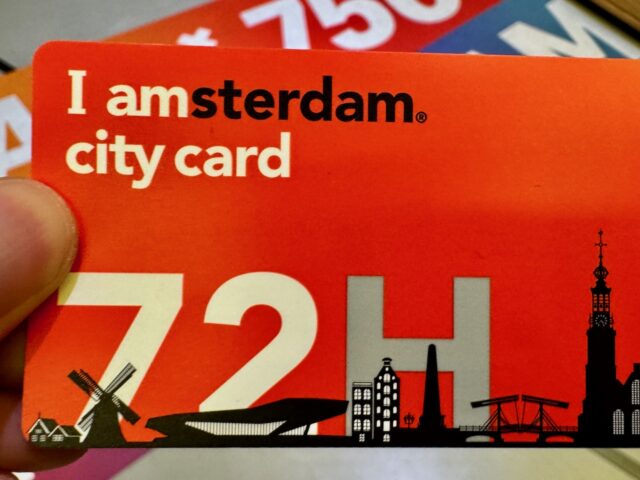 You may come across the I love Amsterdam City Card, which bundles together public transport, entry to many attractions and one canal cruise.
Whether it's worth buying depends entirely on how you like to travel. If you're the sort of person who tries to visit four museums in one day, you'll probably save money.
If your ideal day consists of one museum, a long lunch and watching boats drift past from a café terrace, you may not get full value from it.
Don't buy it simply because everyone else seems to. Do the maths based on what you. actually want to see.
Personally I think it's grossly overpriced at €67 for 24 hours, €94 for 48 hours, €115 for 72 hours, €130 for 96 hours or €140 for 12 hours
Booking Attractions
Here's one piece of advice that cannot be stressed enough.
Book major attractions in advance.
Especially:
• Anne Frank House
• Van Gogh Museum
• Popular canal cruises during summer
• Heineken Experience
• Some guided walking tours
Leaving these until you arrive is a gamble you may lose.
Amsterdam is enormously popular, and many attractions sell out days—or even weeks—in advance.
What About Safety?
Amsterdam is generally a very safe city. Violent crime affecting tourists is uncommon.
The biggest risks are usually:
• Pickpockets in crowded areas.
• Bicycle collisions.
• Walking into canals after one drink too many.
The first is annoying, the second hurts and the third is usually very wet.
Keep valuables secure, avoid leaving phones on café tables and remain aware of your surroundings. Common sense goes a long way.
A Word About the Red Light District
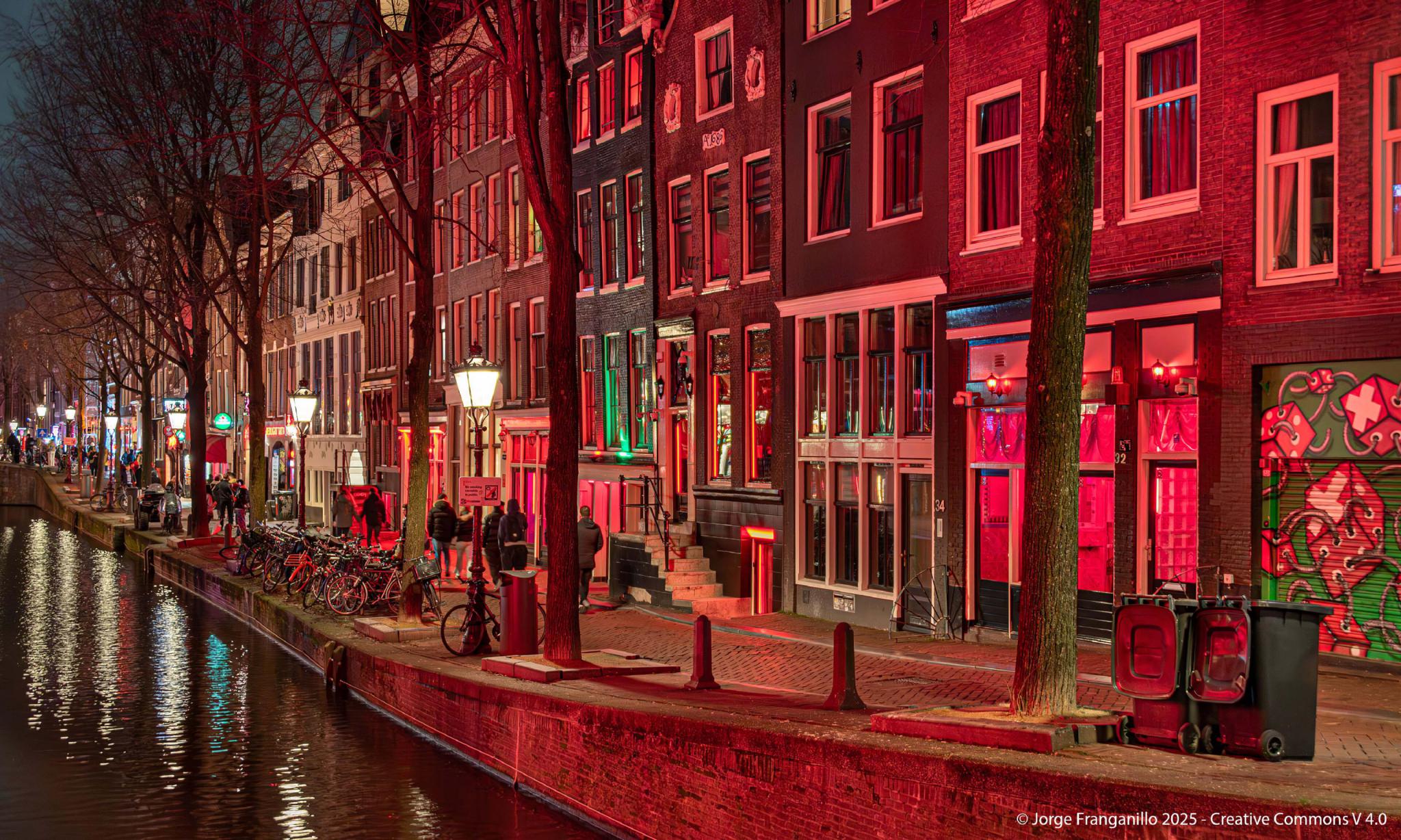 Many first-time visitors head there out of curiosity, there's nothing wrong with that. It is part of Amsterdam's history and identity. Just remember that it is also a working area.
One important rule:
Don't photograph the workers in the windows. It's considered deeply disrespectful, and security staff may encourage you to delete the photos rather more firmly than you were expecting.
Treat the area with the same respect you'd show anywhere else.
Getting Around Amsterdam
If Amsterdam has a secret, it’s this: You’ll spend half your time looking at beautiful buildings… and the other half trying not to get flattened by a bicycle you never saw coming. Once you accept that, getting around the city becomes surprisingly easy.
In fact, it’s one of Europe’s most walkable capitals—but with a transport system so good you’ll rarely need to push yourself beyond a comfortable stroll.
Let’s start with the simplest option - Walking.
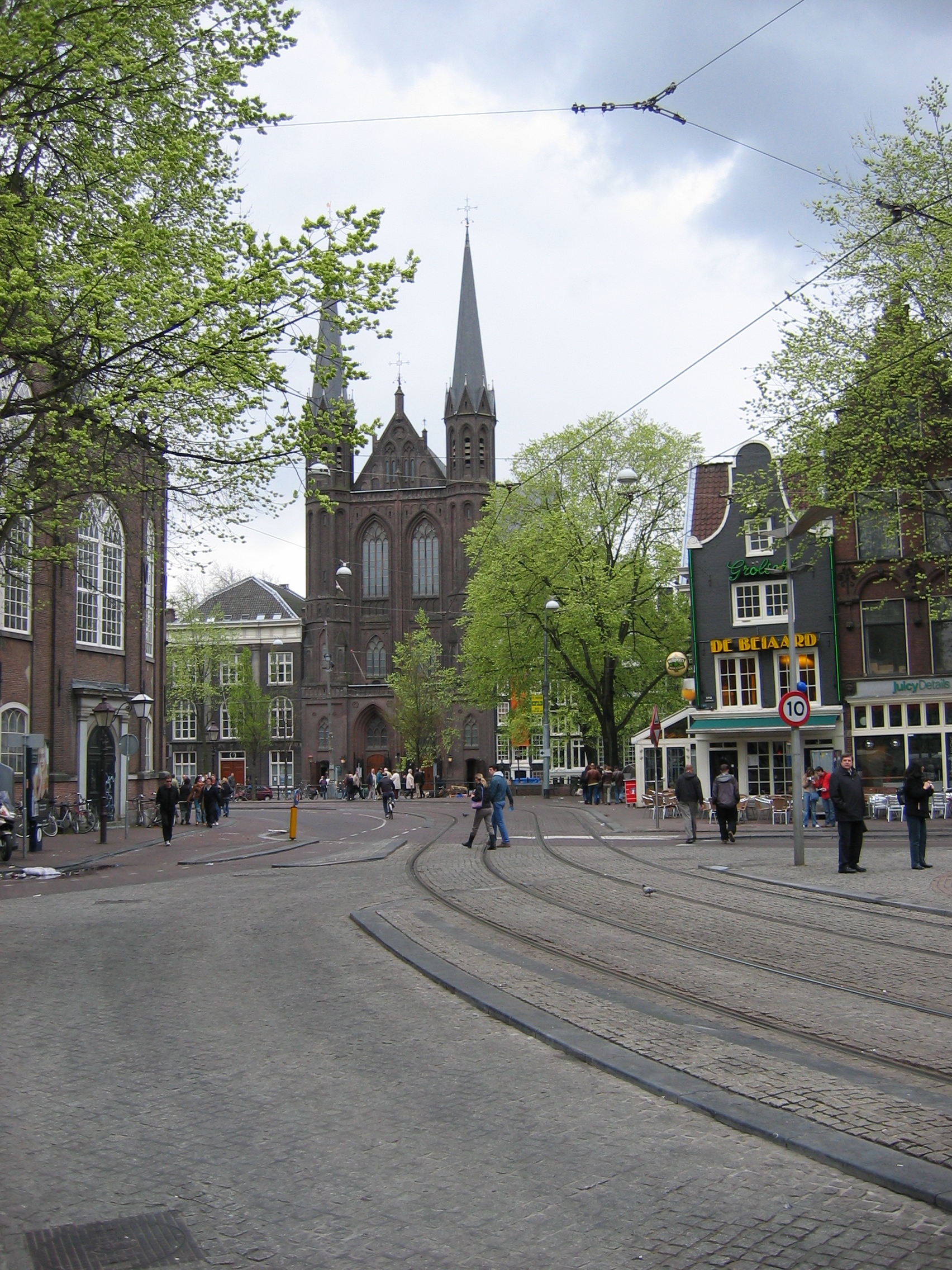 Amsterdam is compact, flat, and endlessly interesting at street level. Most major sights are within 20–30 minutes of each other.
You’ll constantly find yourself thinking:
“I’ll just walk to the next canal…” …three hours later you’re still wandering through picture-perfect streets, wondering how you ended up in a neighbourhood you didn’t plan to visit but don’t want to leave.
That’s normal.
A few realities:
• Pavements can be narrow
• Cyclists can appear silently from behind
• Bridges involve more steps than you expect
• You will stop constantly for photos
But walking is still the best way to experience the city.
Trams: The Backbone of the City
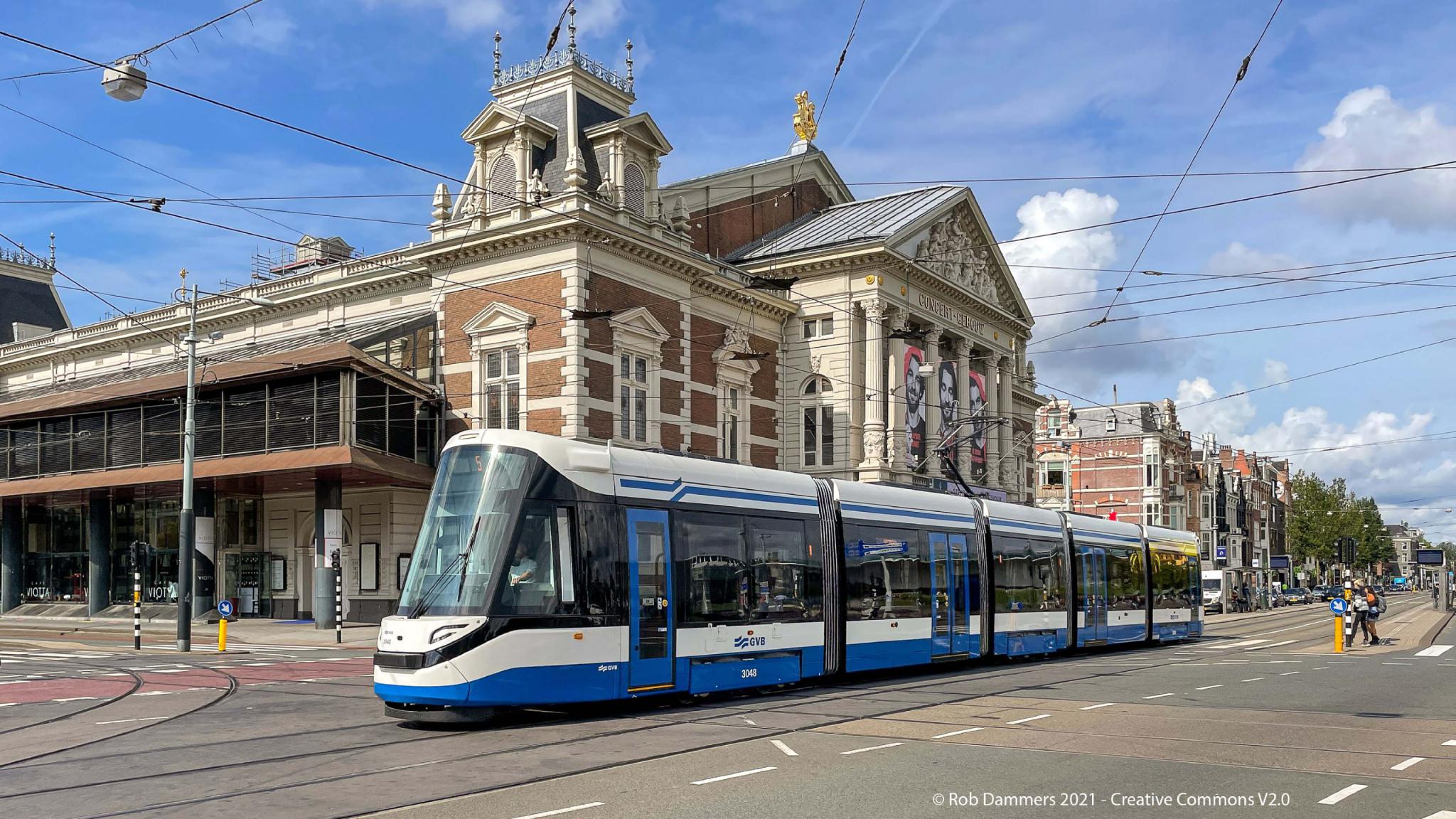 Amsterdam’s tram system is excellent, clean, frequent, and impressively punctual.
Why trams are great:
• Run every few minutes
• Cover most tourist areas
• Easy to understand after five minutes of confusion
• Cheap compared to taxis
• Run late into the evening on key routes
The only challenge:
Working out which direction you’re going in while standing at a stop with ten other equally confused tourists. Once you’ve cracked it, you’ll feel like a local. Until you get off one stop early and walk in the wrong direction anyway.
The Metro: Useful… But Not for Sightseeing
Amsterdam does have a Metro system. It’s modern, efficient, and very useful for reaching outer districts.
But for tourists, it’s not your main tool. It mostly runs underground and doesn’t pass the prettiest parts of the city.
Think of it as:
• Good for getting to places quickly
• Not good for seeing Amsterdam
You’ll probably use it only if you’re staying further out or heading somewhere specific like the Zuid or Bijlmer areas.
Ferries: The Free Bonus, here’s something many first-time visitors miss.
Amsterdam has free ferries behind Centraal Station that cross the River IJ.
They’re:
• Free
• Frequent
• Surprisingly fun
• Full of cyclists pretending they’re commuting and not sightseeing
They take you to the northern districts, which are quieter and increasingly trendy. Even if you don’t “need” them, take one anyway.
It feels like a mini canal cruise, except with fewer tourists and more bicycles.
Cycling: Brave, Foolish, or Locally Necessary?
You may consider hiring a bike, you’ll see everyone doing it. You’ll think: “How hard can it be?”
This is the moment Amsterdam laughs quietly to itself.
The reality:
Cycling in Amsterdam is:
• Fast
• Structured
• Confident
• Occasionally terrifying if you don’t know what you’re doing
Locals cycle like Formula 1 drivers who’ve never heard of brakes.
There are rules, but they’re unspoken and learned over years.
If you do rent a bike:
• Stick to cycle lanes only
• Always signal clearly
• Never stop suddenly
• Never assume pedestrians have seen you
• Accept that you are now part of a moving system you don’t fully understand
Walking and trams will do everything you need. There is no shame in surviving your holiday intact.
Getting Lost (You Will)
Amsterdam is a grid of canals and bridges that looks logical on a map.
In reality?
It’s easy to get slightly turned around.
But here’s the good news: Getting lost in Amsterdam is rarely unpleasant. You’ll simply end up on another beautiful street, another canal, another café you didn’t plan to find. It’s not like getting lost in a large, chaotic city. It’s more like accidental sightseeing.
Must-See Attractions
There are some genuinely world-class sights here.
There are also a few places where you’ll think, “That was it?” while quietly calculating how many croquettes you could have bought for the same money.
Rijksmuseum
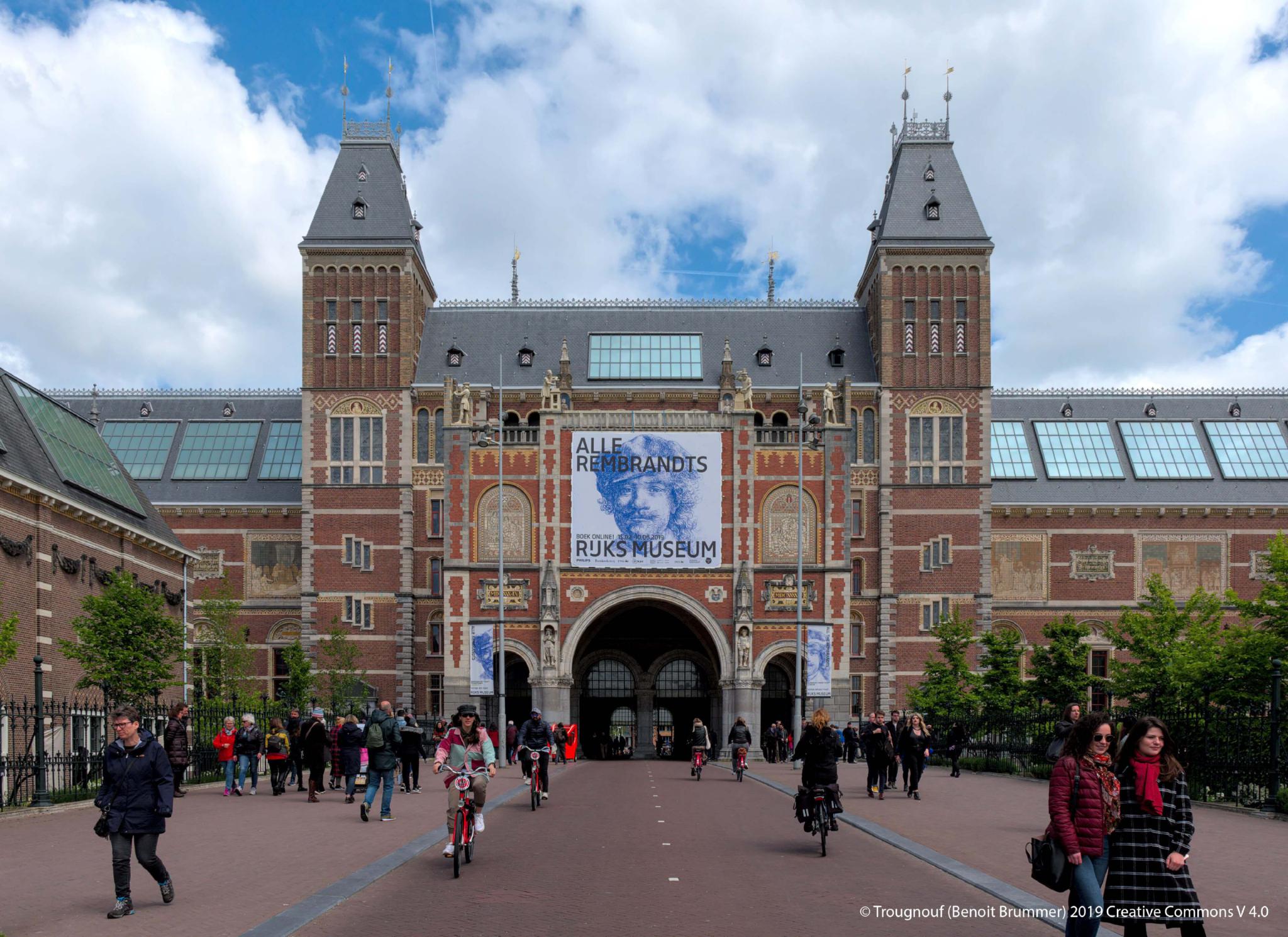 Let’s start with the heavyweight.
This is the Netherlands’ national museum and one of the best in Europe, rven if you’re not a “museum person,” this one tends to win people over.
What you’ll see:
• Rembrandt’s The Night Watch
• Vermeer’s works
• Dutch Golden Age paintings
• Beautifully curated rooms full of history, art, and occasionally very dramatic lighting
Ticket price:
Around €25 (adult, standard entry)
Van Gogh Museum
This is one of the most visited museums in the world, and for good reason, it contains the largest collection of Van Gogh’s works anywhere.
What you’ll see:
• Sunflowers
• Self-portraits
• Early sketches showing his development
• Letters and personal insights into his life
Ticket price:
Around €24–€26
Book in advance or you will be disappointed at the door.
It gets very busy. If you dislike crowds, go early in the morning.
Anne Frank House
This is not a “fun attraction.” It is one of the most powerful experiences in Amsterdam and it is essential to understand this clearly before going. It is the actual house where Anne Frank and her family hid during WWII, now preserved as a museum.
Ticket price:
Around €16
Booking:
Must be booked online in advance. Often sells out weeks ahead.
It is emotionally overwhelming, but an important place to visit. This is one of those places where silence feels appropriate, even in a crowded room.
Canal Cruises
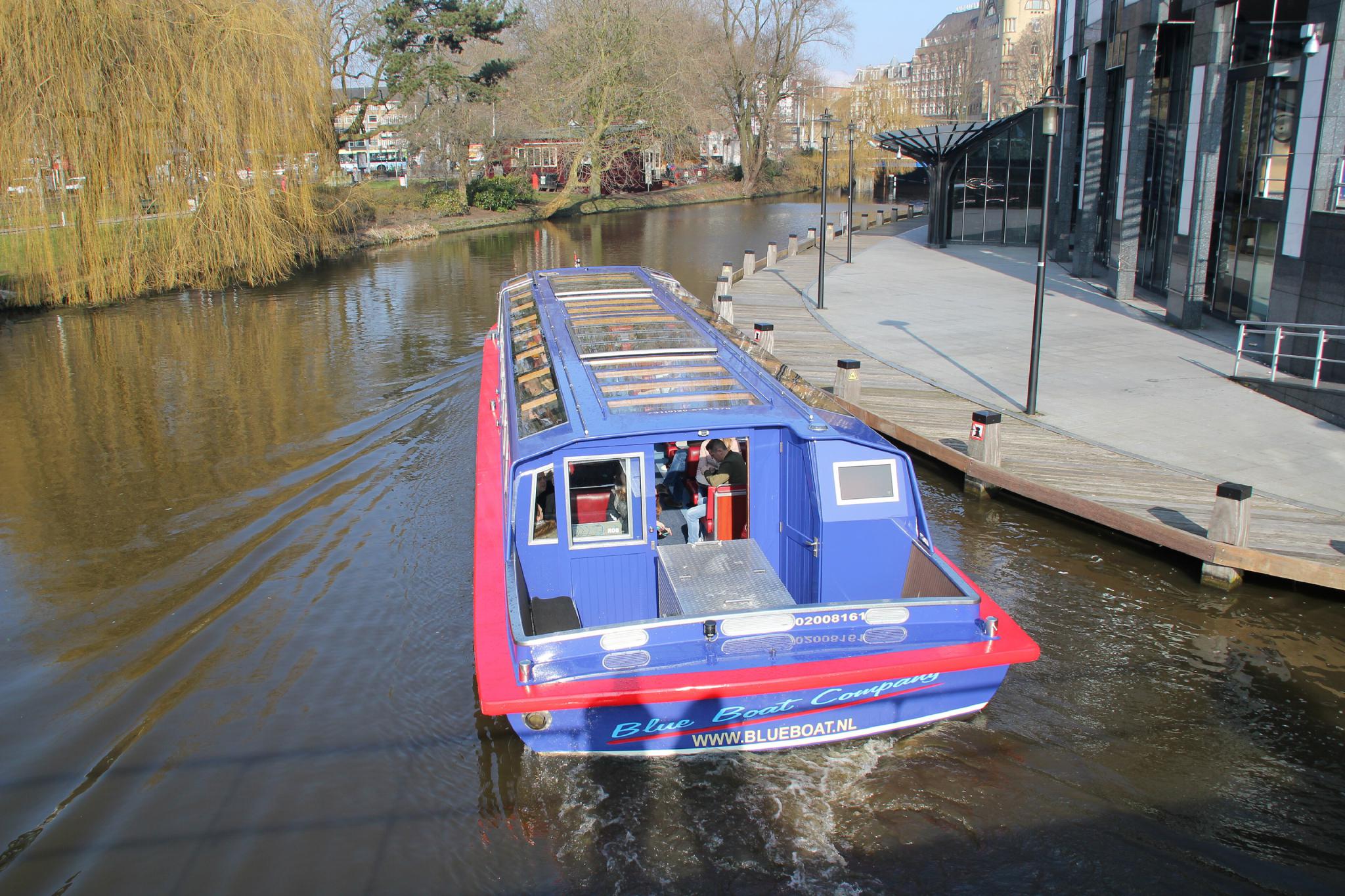 You cannot avoid them, they are everywhere. And for once, the hype is justified—mostly.
Types:
• Standard sightseeing boats
• Evening cruises with lights (especially dinner cruises)
• Hop-on hop-off boats
• Small open boats (more personal, usually better)
Price:
€20–€35 depending on type
Duration:
60–90 minutes
Avoid the biggest boats if possible. Smaller ones feel less like floating buses full of headphones.
Dam Square
The symbolic heart of the city. Also the place where many tourists arrive, look around, and say: “Is that it?”
Yes, it's also a bit underwhelming.
What’s here:
• Royal Palace
• National Monument
• Street performers
• Endless crowds
It’s more of a “walk through” than a destination.
Vondelpark
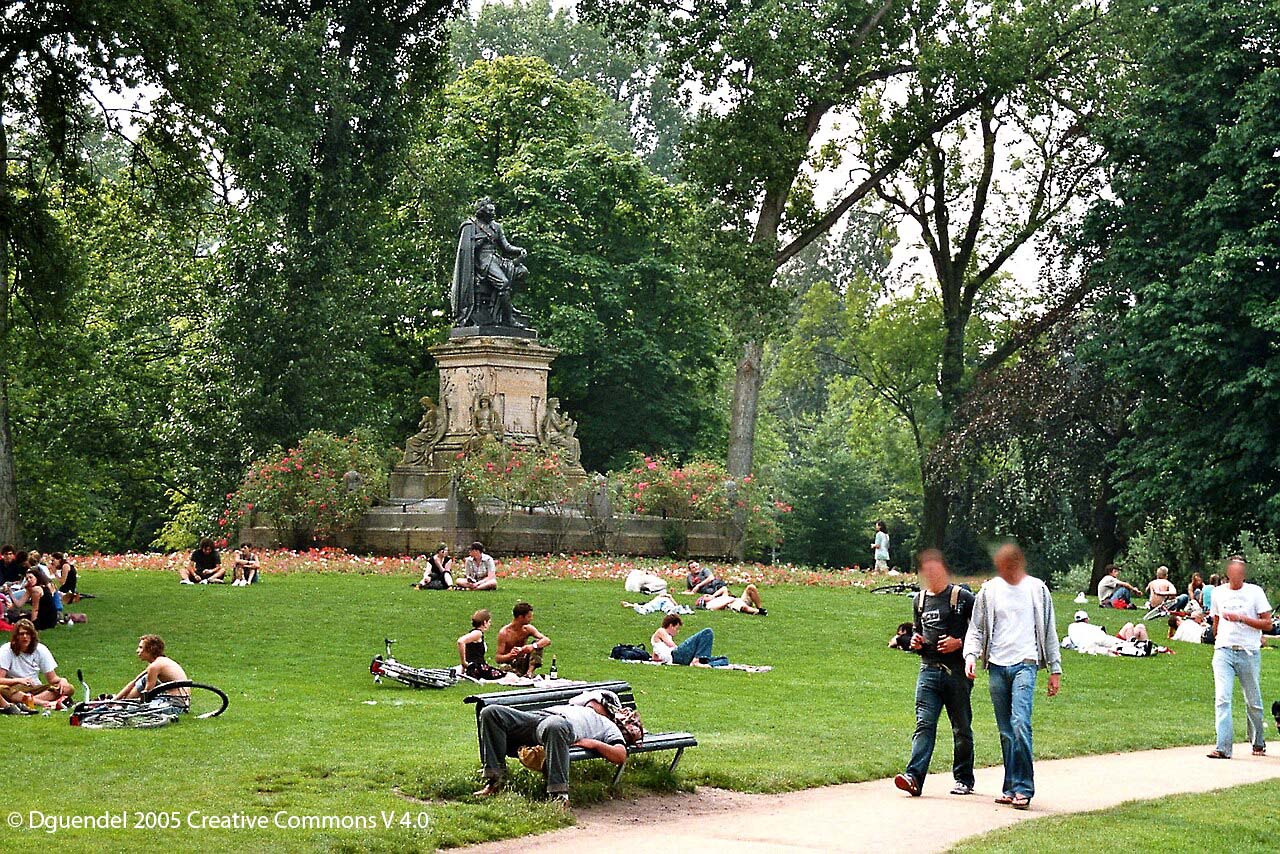 Amsterdam’s main park and one of its best free attractions.
What it’s like:
• Green spaces
• Cyclists weaving through like it’s a sport
• Picnics in summer
• Open-air theatre events
This is where Amsterdam slows down and remembers it has grass.
Heineken Experience
Part museum, part marketing exercise, part beer-themed theme park, but well worth a visit.
What you get:
• Brewery history
• Interactive exhibits
• Beer tasting at the end
Ticket price:
Around €23–€25
If you like beer and interactive attractions then yes it's for you, If you want deep cultural insight don't bother.
Old Moaner verdict:
The Nine Streets (De Negen Straatjes)
A small network of canals filled with boutique shops, cafés and vintage stores.
What it’s like:
• Very picturesque
• Good shopping
• Nice cafés
• Calm atmosphere (by central standards)
This is where Amsterdam quietly shows off without trying too hard.
Begijnhof
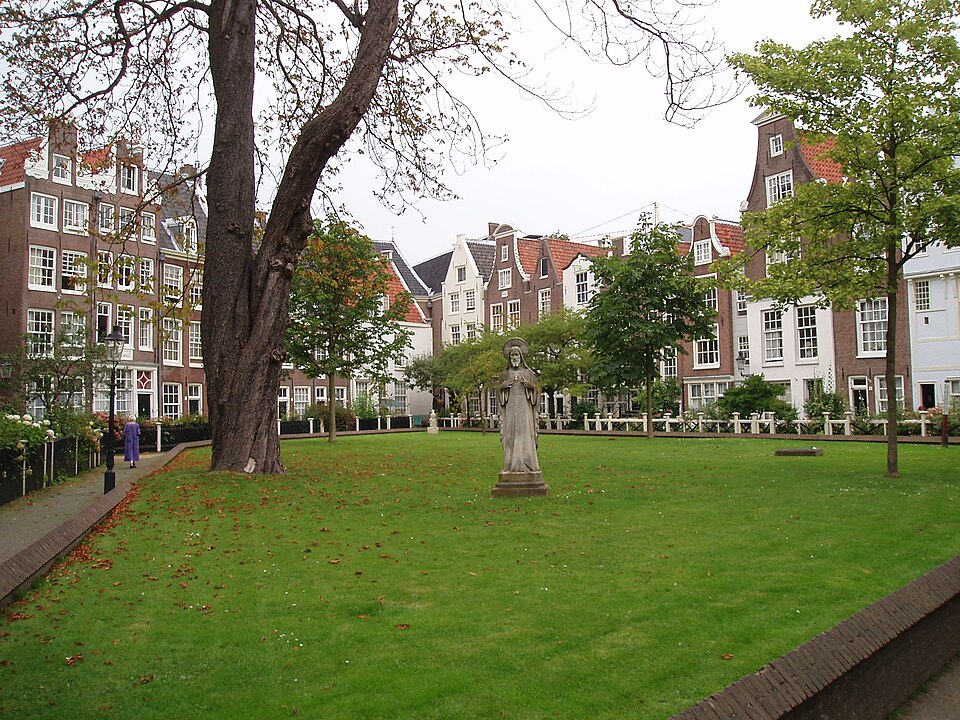 One of Amsterdam’s oldest hidden courtyards.
What it’s like:
• Quiet
• Historic
• Almost shockingly peaceful given the city outside
This is one of those places you accidentally walk into and suddenly feel like you’ve left the city.
Old Moaner’s Verdict
Amsterdam has some genuinely world-class cultural sights—especially the Rijksmuseum, Van Gogh Museum and Anne Frank House.
But the mistake visitors make is treating the city like a checklist.
Tick too many boxes and you end up exhausted.
Tick a few, and leave time for wandering, and Amsterdam becomes something much better than a museum tour.
It becomes a place you actually remember.
Hidden Gems of Amsterdam
We’ll move away from the obvious sights and into the quieter corners—secret courtyards, local cafés, lesser-known museums, peaceful canals, neighbourhoods tourists miss, and the places where Amsterdam feels like a real city rather than a postcard.
Hortus Botanicus (Botanical Gardens)
One of the oldest botanical gardens in the world and sadly still overlooked by many visitors.
What you’ll find:
• Tropical greenhouses
• Giant palm house
• Peaceful garden paths
• Ancient trees and plants from around the world
Ticket price:
Around €12–€14
A surprisingly calm place where even your phone seems to slow down and a great break from museums and canals..
Noord (Amsterdam North)
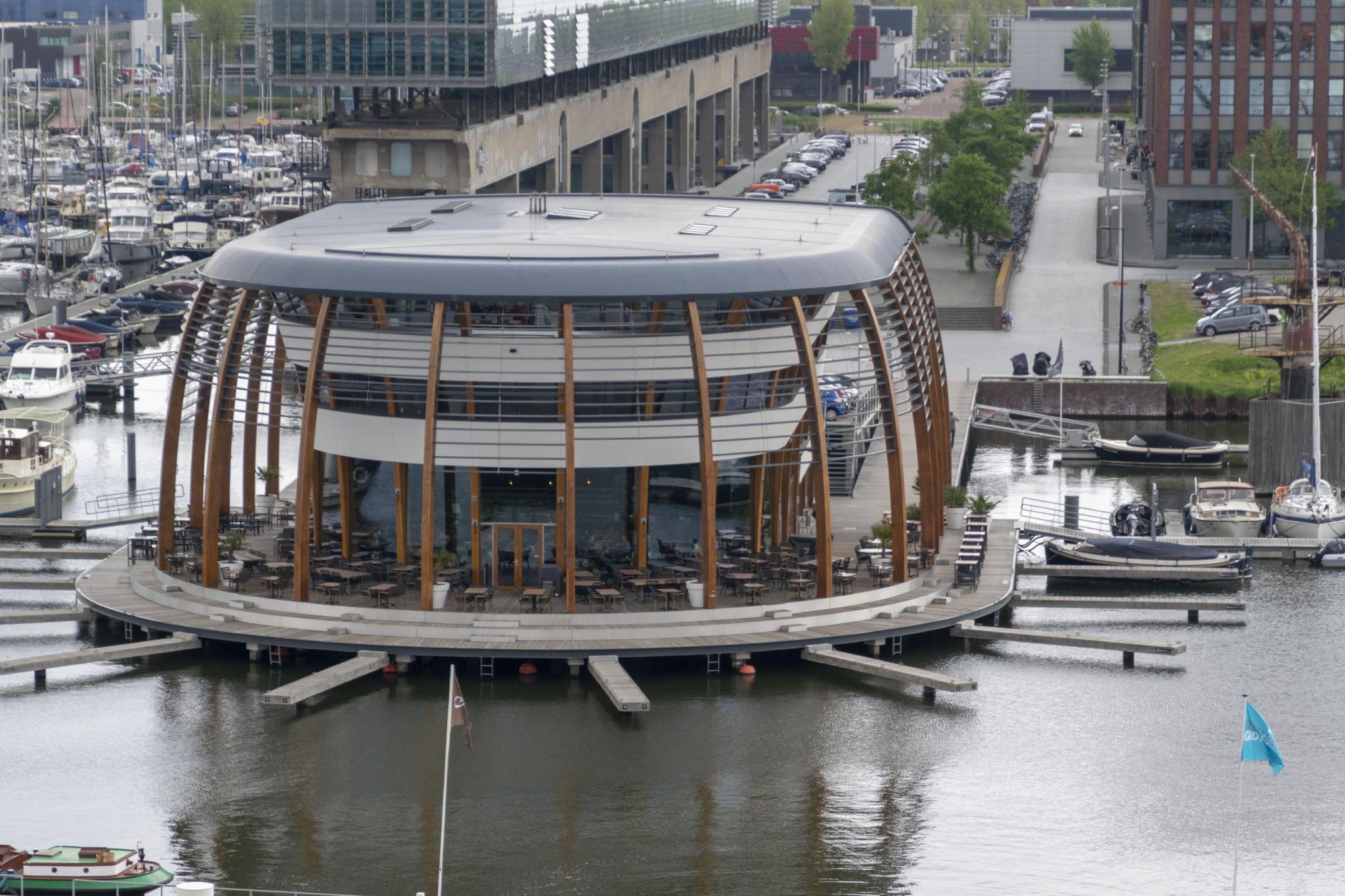 Take the free ferry from Centraal and you’re here in minutes, yet it feels like a different city.
What’s in Noord:
• Street art
• Creative spaces
• Old industrial buildings turned into cafés and studios
• Waterfront bars
It’s where Amsterdam is quietly reinventing itself.
Micropia (Yes, Really)
A museum about microbes. Sounds odd - it is odd but surprisingly fascinating.
What you’ll see:
• Microscopic life exhibits
• Interactive displays
• Strange but engaging science installations
The only museum where you leave thinking more about bacteria than art.
The Hidden Courtyards (Hofjes)
Amsterdam has dozens of hidden courtyards tucked behind doors and alleyways. Many were originally built as almshouses.
Why they’re special:
• Quiet gardens
• Historic buildings
• Almost completely hidden from tourist routes
Examples:
• Begijnhof (the famous one)
• Claes Claeszhofje
• Karthuizerhof
If a door looks slightly too ordinary to be interesting—check it anyway.
Amstel River Walks
Most tourists stick to canals but the Amstel River is something different.
What you’ll see:
• Wider water views
• Houseboats
• Quieter paths
• Beautiful bridges without crowds
If canals are Amsterdam’s personality, the Amstel is its calm side.
Food & Drink in Amsterdam
Amsterdam is not, at first glance, a city that shouts about its food. It doesn’t have the culinary ego of Paris or the global swagger of London. What it does have is comfort food, café culture, and a quietly excellent international scene that creeps up on you when you stop eating near the main tourist squares.
At first you might think, “Is this it?”
Then, about 24 hours later, you’re planning your day around a pastry shop you didn’t mean to find.
Traditional Dutch food has one main philosophy, if it keeps you warm and fills you up, it’s probably fine. It’s not delicate. It’s not fussy. It’s food that assumes you’ve been cycling against the wind for the last hour.
🧀 Cheese (Gouda, Edam, and Everything Else)
Yes, it’s everywhere.
Yes, it’s good.
No, you don’t need to go into the first “cheese experience” shop that tries to hand you ten samples before you’ve removed your coat.
What to try:
• Aged Gouda (strong, nutty, excellent)
• Smoked cheese (underrated)
• Herb-infused varieties
You can absolutely buy cheese from a proper supermarket and it will still be better than most souvenir shops pretending to be artisanal temples of dairy enlightenment.
🥔 Bitterballen (or Croquette) (Essential)
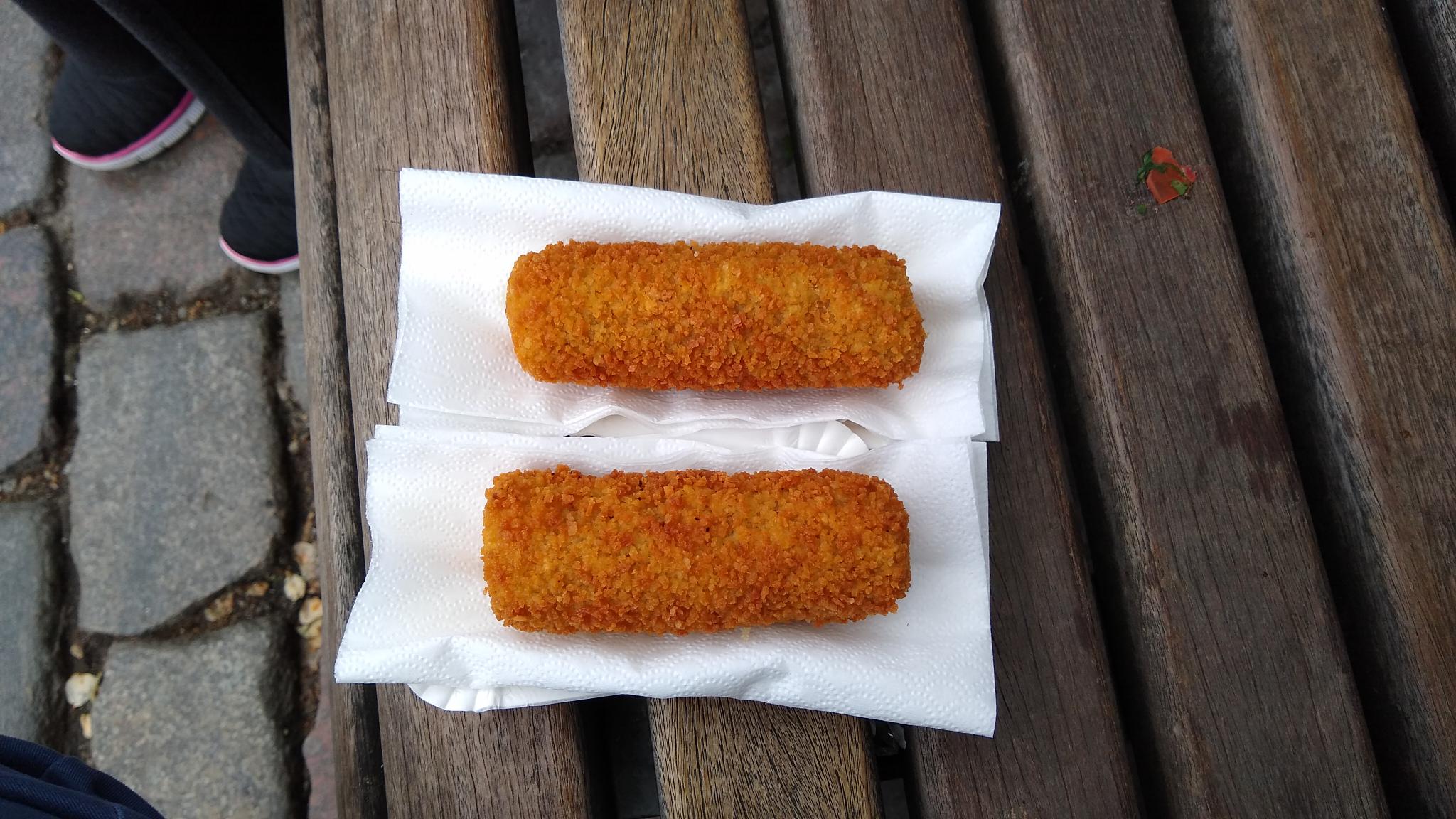 If you try one Dutch snack, make it this.
Small deep-fried balls or croquettes filled with a thick meat-based ragout. My absolute "fast food" go to whenever I visit Amsterdam
Where you’ll find them:
• Bars
• Cafés
• Anywhere that sells beer
Dangerously moreish, you’ll say “just one” and then immediately order more.
🧇 Stroopwafels
Thin waffle cookies with caramel syrup inside, many will say the Dutch national snack.
Best eaten:
• Warm
• Slightly sticky
• With coffee on the side
Packaged ones are fine, but fresh ones make you question why you ever bothered with anything else.
Dutch Apple Pie (Appeltaart)
This deserves its own category, it is not like a British or American apple pie.
It is:
• Dense
• Spiced
• Thickly packed with apple
• Often served with whipped cream
If a café has a decent apple pie, everything else is negotiable.
Street Food & Quick Eats
Amsterdam is excellent for casual eating you do not need to book fancy restaurants to eat well here.
Fries (Patat)
Thick Dutch fries served in paper cones.
You’ll see:
• Mayonnaise (very popular)
• Satay sauce
• Curry ketchup
Ordering fries feels simple until you realise the sauce options require a small life decision.
Herring (Haring)
Raw herring is definitely an acquired taste and not one I have developed myself, traditionally eaten with onions and pickles.
Honest verdict:
• You’ll either love it
• Or spend the rest of the day remembering it
No middle ground.
Back to Netherlands home page